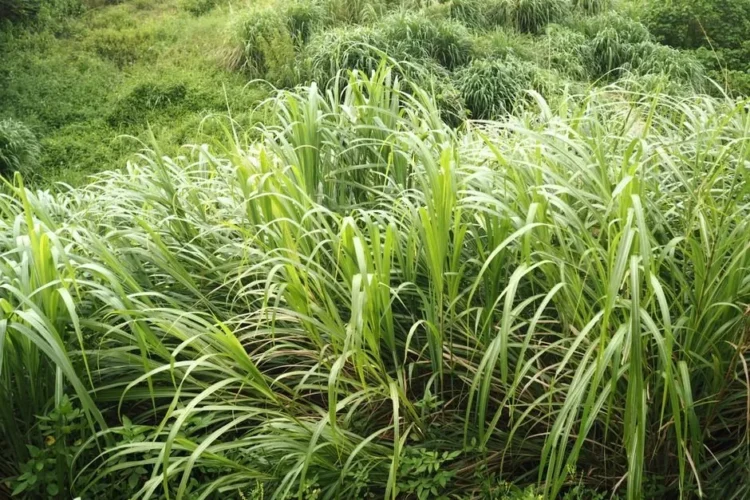
A tall, clumping perennial grass cultivated for its strongly lemon-scented stalks and leaves, used as a flavoring spice in Southeast Asian and global cuisines. The tender inner core of the lower bulb is the most prized portion, valued for its bright, citrusy aroma.
History & Origins
Lemongrass has been used for centuries in Ayurvedic medicine and traditional cooking across South and Southeast Asia, where it features in curative teas and curries. It was introduced to Europe through Arab traders during the medieval spice trade and reached the Americas via colonial expansion. During the 20th century it became globally associated with Thai, Vietnamese, and Indonesian cooking, and is now cultivated in tropical regions worldwide.
Nutrition Facts
Per 100 g, edible portion (estimated)
- 99 kcalCalories
- 1.8 gProtein
- 0.5 gFat
- 25.3 gCarbs
- 0 gFiber
- 0 gSugars
- 723 mgPotassium
- 2.6 mgVitamin C
- 6 mcgVitamin A
Culinary Uses
- Bruised and simmered in Thai curries, tom yum, and tom kha soups
- Added to Vietnamese pho broth and grilled meat marinades
- Steeped in teas, syrups, and cocktail infusions
- Ground into spice blends and pastes for stir-fries and Indonesian rendang
- Used in Caribbean and Latin American dishes such as Cuban ropa vieja and Puerto Rican sofrito
Known Benefits
- Rich in citral, a compound with documented antimicrobial activity
- Contains antioxidants that help neutralize free radicals
- Traditionally brewed to ease digestive discomfort and nausea
- Used in aromatherapy and herbal medicine for calming effects
Hidden Benefits
- Exceptionally high manganese content supports bone and metabolic health
- Provides meaningful amounts of folate and iron
- Citral compounds studied for potential lipid-lowering effects
- Mild diuretic properties when consumed as tea
Cautions & Considerations
- Concentrated lemongrass essential oil must be diluted; topical use can irritate skin
- May potentiate diuretics and blood-pressure medications
- Topical exposure can cause dermatitis in sensitive individuals
- Tough outer leaves are fibrous and generally not eaten