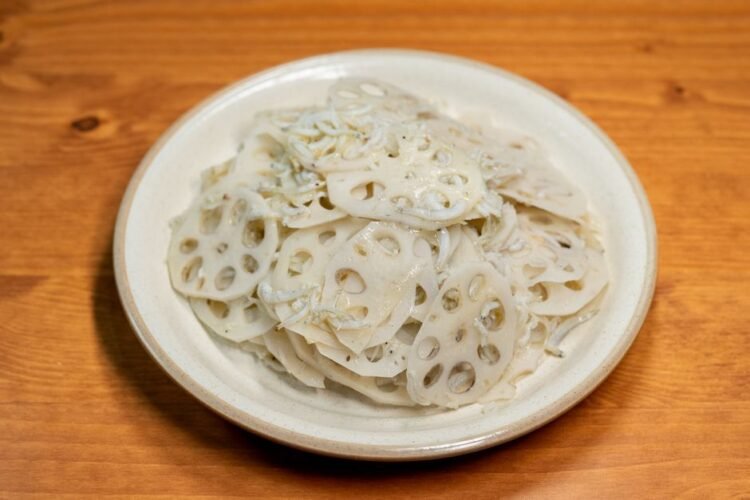
Lotus root is the edible rhizome of the Nelumbo nucifera water lotus, prized for its crunchy texture, visual cross-section of hollow air channels, and mildly sweet flavor. It is a staple in East Asian, South Asian, and Southeast Asian cuisines, consumed pickled, sliced raw in salads, stir-fried, tempura-fried, or simmered in soups.
History & Origins
Lotus root has been cultivated for at least three millennia, first appearing in ancient Chinese and Indian texts as both a food and a medicinal plant. It held profound symbolic significance in Buddhism and Hinduism, representing purity and enlightenment, which reinforced its cultivation around temple ponds across Asia. By the medieval period, Chinese and Japanese farmers had developed systematic rhizome farming in flooded paddy fields to meet culinary demand. The vegetable was introduced to Korea and parts of Southeast Asia through trade routes, where it became embedded in regional gastronomy and wellness traditions.
Nutrition Facts
Per 100 g, edible portion (estimated)
- 60 kcalCalories
- 83 gWater
- 0.8 gProtein
- 0.4 gFat
- 0.1 gSaturated Fat
- 15 gCarbs
- 1.6 gFiber
- 14 gSugars
- 168 mgPotassium
- 11 mgCalcium
- 0.2 mgIron
- 10 mgMagnesium
- 36 mgVitamin C
- 54 mcgVitamin A
- 4 mcgVitamin K
- 43 mcgFolate
Culinary Uses
- Thinly sliced and pickled in rice vinegar for a crisp, tangy garnish
- Coated in light batter and tempura-fried in Japanese cuisine
- Sliced into rounds and stir-fried with pork, garlic, and soy sauce
- Simmered in soups and stews such as Chinese lotus root and peanut soup
- Grated raw into salads for crunch and mild sweetness
- Stuffed with minced meat and steamed as a savory dish in dim sum
Known Benefits
- Good source of vitamin C, supporting immune function
- Contains dietary fiber that aids digestive regularity
- Low in calories and fat, suitable for weight-conscious diets
- Provides potassium, which supports healthy blood pressure
- Contains antioxidants that help combat oxidative stress
Hidden Benefits
- Rich in alkaloids and flavonoids associated with anti-inflammatory properties
- Contains resistant starch that supports gut microbiome health
- Traditionally used in Ayurvedic medicine to support cardiovascular health
- High water content contributes to natural hydration
Cautions & Considerations
- Raw lotus root may harbor parasites or bacteria from freshwater environments; thorough washing and cooking are essential
- Individuals with bleeding disorders should use caution, as lotus root may have mild anticoagulant properties
- Those with latex allergies may react to the plant's natural compounds
- Consuming large quantities may cause mild digestive discomfort due to fiber content