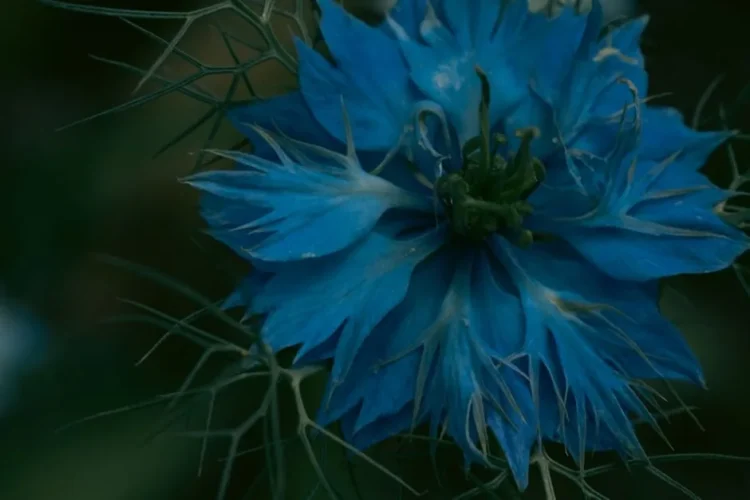
Tiny, matte-black, angular seeds of an annual buttercup-family herb, prized for their pungent, slightly bitter flavor reminiscent of onion, pepper, and oregano. Used both as a condiment sprinkled on breads and as a component of blended spice mixtures.
CategorySpices
Scientific nameNigella sativa
OriginNative to the Mediterranean basin and Western Asia; widely cultivated from Egypt and the Levant to India and Pakistan.
History & Origins
Nigella sativa seeds were placed in Egyptian tombs, including that of Tutankhamun (c. 1323 BCE), and are documented in the Ebers Papyrus for digestive and respiratory complaints. The Greek physician Dioscorides and Pliny the Elder both recorded its culinary and medicinal uses in the 1st century CE, and the seeds entered the Islamic pharmacopoeia as habbat al-barakah ('the seed of blessing').
Nutrition Facts
Per 100 g, edible portion (estimated)
- 345 kcalCalories
- 16 gProtein
- 22 gFat
- 44 gCarbs
- 10 gFiber
- 0.7 gSugars
- 808 mgPotassium
- 7 mgVitamin C
- 64 mcgVitamin A
Culinary Uses
- Sprinkled on naan, kulcha, and other Indian flatbreads before baking
- Component of Bengali panch phoron five-spice blend
- Toasted in oil as a tempering (tadka) over dals and curries
- Stirred into Egyptian dukkah with nuts and sesame
- Mixed into Middle Eastern cheese, pickles, and seeded crackers
Known Benefits
- Contains thymoquinone, a bioactive compound studied for anti-inflammatory effects
- Traditionally used to soothe coughs, asthma, and digestive complaints
- Source of fixed oils rich in linoleic and oleic acids
- Provides iron, calcium, and zinc in concentrated amounts
Hidden Benefits
- Seed oil shows in-vitro antioxidant activity comparable to common synthetic antioxidants
- Used in some folk veterinary medicine to support livestock digestion
- Component of certain natural hair and scalp oils in South Asia
- May enhance the keeping quality of fried foods when added to batter
Cautions & Considerations
- May slow blood clotting; avoid before surgery or with anticoagulant drugs
- Topical oil can cause contact dermatitis in sensitive individuals
- Pregnant women are traditionally advised to limit medicinal doses
- Seeds can be confused with toxic Bunium or Adonis species when wild-harvested





