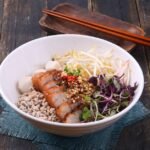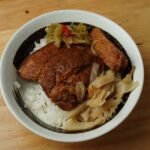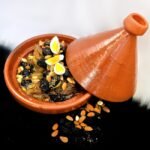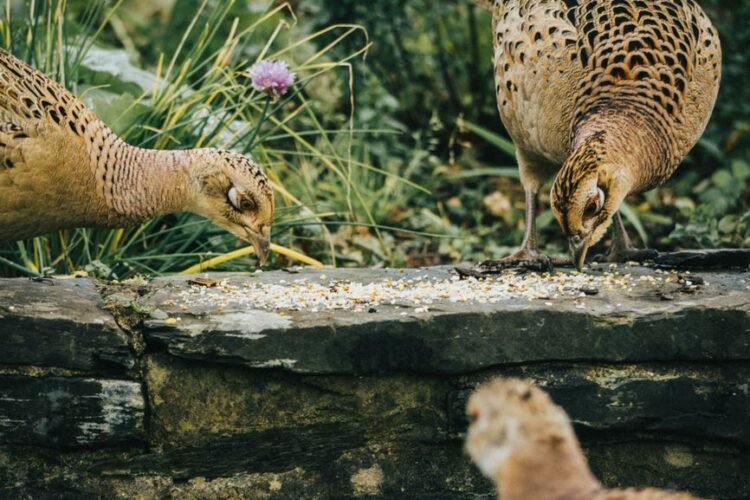
Pheasant is a game bird with lean, delicately flavored dark meat that has been prized in culinary traditions across Europe and North America since ancient times. The meat is denser than chicken, with a richer, slightly gamey taste and excellent nutritional profile.
CategoryMeats
Scientific namePhasianus colchicus
OriginAsia (originally from the Caucasus region, introduced to Europe and North America)
History & Origins
Pheasants were first domesticated in Asia over 3,000 years ago, with the ring-necked variety developed in China. The Romans introduced them throughout their empire, and English nobles established extensive pheasant shoots during the medieval period. By the 19th century, pheasant hunting and breeding had become established traditions across North America after introduction from Asia.
Nutrition Facts
Per 100 g, edible portion (estimated)
- 133 kcalCalories
- 24.3 gProtein
- 3.6 gFat
- 0 gCarbs
- 0 gFiber
- 0 gSugars
- 290 mgPotassium
- 1.2 mgIron
Culinary Uses
- Roasted whole with herbs, fruits, and root vegetables as a centerpiece dish
- Braised in wine or stock for tender, flavorful results
- Ground into patties or sausages for sausages and terrines
- Sliced into stir-fries or pan-seared as cutlets
Known Benefits
- High-quality lean protein with essential amino acids
- Rich in B vitamins supporting metabolism and nerve function
- Contains selenium for antioxidant support and thyroid health
- Lower in fat than commercially raised poultry
Hidden Benefits
- Contains conjugated linoleic acid (CLA) with potential anti-inflammatory properties
- Higher in zinc than many other poultry species, supporting immune function
- Provides taurine important for cardiovascular and neurological health
- Game meats typically have favorable omega-3 to omega-6 fatty acid ratios
Cautions & Considerations
- Must be cooked thoroughly to safe internal temperature (74°C/165°F)
- Gamey flavor may be polarizing for some palates
- Higher cost and limited availability compared to common poultry
- Persons with poultry allergies should exercise caution