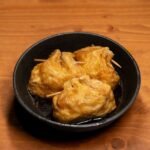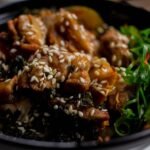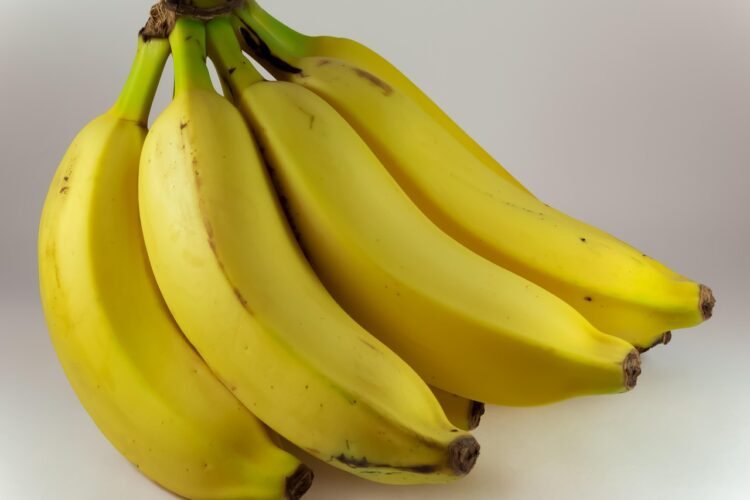
A large, starchy cooking banana that serves as a dietary staple across tropical regions of Africa, the Caribbean, Latin America, and South Asia, almost always consumed cooked rather than raw.
CategoryStarchy Foods
Scientific nameMusa × paradisiaca
OriginSoutheast Asia
History & Origins
Plantains are believed to have been domesticated in the New Guinea–Malaysia region around 5000 BCE and spread through Oceania before being carried to Africa, Iberia, and the Americas via Austronesian, Arab, and Iberian trade routes from the medieval period onward. They are now a starchy cornerstone for roughly half a billion people, with West and Central Africa leading global per-capita consumption.
Nutrition Facts
Per 100 g, edible portion (estimated)
- 122 kcalCalories
- 1.3 gProtein
- 0.4 gFat
- 31.9 gCarbs
- 2.3 gFiber
- 17 gSugars
- 499 mgPotassium
- 18.4 mgVitamin C
- 56 mcgVitamin A
Culinary Uses
- Twice-fried green slices as tostones, patacones, or aloco, a Caribbean and West African staple side
- Pan-fried ripe plantains as sweet maduros or Ghanaian kelewele seasoned with ginger and chili
- Mashed with garlic and pork cracklings to form Puerto Rican mofongo or Dominican mangu
- Roasted whole on charcoal as Nigerian boli, or simmered into stews and curries in South India
Known Benefits
- Exceptionally high in potassium, supporting blood pressure and muscle function
- Provides vitamin A precursor carotenoids that increase as the peel blackens
- Naturally gluten-free source of slow-release complex carbohydrates
Hidden Benefits
- Green plantains are rich in resistant starch, acting as a prebiotic that ferments in the colon
- Contains dopamine and useful levels of vitamin B6 for nervous system support
- Higher in iron, magnesium, and phosphorus than common dessert bananas
Cautions & Considerations
- Should not be eaten raw due to high starch content and astringent latex compounds
- Overripe plantains have a high glycemic load and need portion control for diabetics
- Individuals with latex allergy may cross-react because of shared chitinase proteins