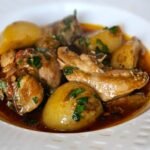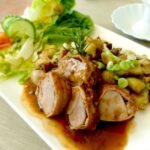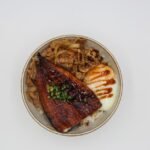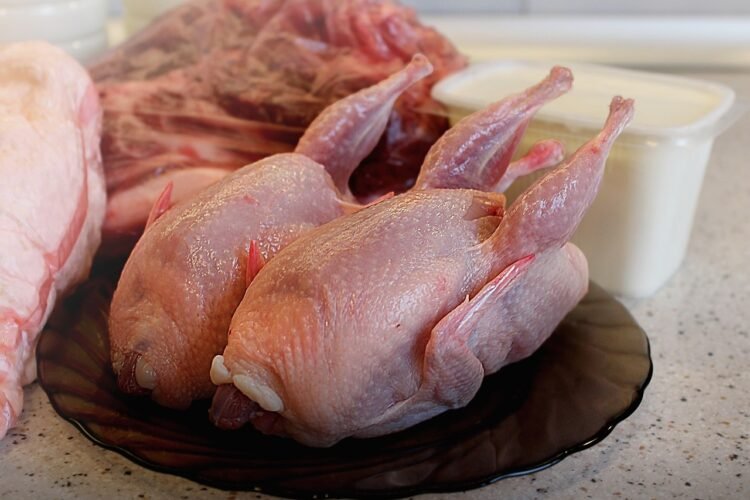
Quail meat is the lean, delicately flavored flesh of small migratory game birds, with the domesticated Japanese quail (Coturnix japonica) supplying most commercial production. It is prized in French, Italian, Japanese, Chinese, and Indian cuisines for its tender texture and high protein-to-fat ratio.
CategoryMeats
Scientific nameCoturnix coturnix (common quail); domestic meat breeds primarily Coturnix japonica (Japanese quail)
OriginEurasia and Africa, with domestication centers in Japan and later China
History & Origins
Quail have been hunted and eaten since antiquity, appearing in the cuisines of ancient Egypt, Greece, and Rome, where they were roasted, stewed, and preserved in sauces. Systematic domestication began in Japan around the 12th century, when Coturnix japonica was bred as a songbird and later for meat and eggs, spreading to China, Korea, and Europe by the 20th century as a specialty poultry product.
Nutrition Facts
Per 100 g, edible portion (estimated)
- 134 kcalCalories
- 21.8 gProtein
- 4.5 gFat
- 0 gCarbs
- 0 gFiber
- 0 gSugars
- 1.3 mgIron
Culinary Uses
- Roasted whole with herbs, butter, and garlic in French and Italian preparations
- Grilled or pan-seared quail breast served with fruit-based sauces (mole, cherry, or pomegranate reductions)
- Used in Japanese yakitori skewered with tare sauce
- Incorporated into Chinese herbal soups and congees for restorative dishes
- Cured, smoked, or brined for charcuterie and terrines
Known Benefits
- High biological-value protein supporting muscle maintenance
- Rich source of vitamin B12 and niacin for energy metabolism
- Lower in fat and cholesterol than most red meats
- Provides heme iron in a highly bioavailable form
- Contains selenium and zinc for immune function
Hidden Benefits
- Higher concentration of taurine per gram than many common meats
- Skin-on quail provides small amounts of vitamin D and DHA from adipose tissue
- Bone marrow in young birds contributes collagen and glycine
- Lower environmental footprint per kilogram than beef or pork due to fast growth cycle
Cautions & Considerations
- Very small bones require careful chewing; not recommended as finger food for young children
- Game-farm quail can carry Salmonella if undercooked—internal temperature should reach 74 °C (165 °F)
- Skin and dark meat are higher in purines; individuals with gout should moderate intake
- Common allergen potential for those sensitive to other poultry