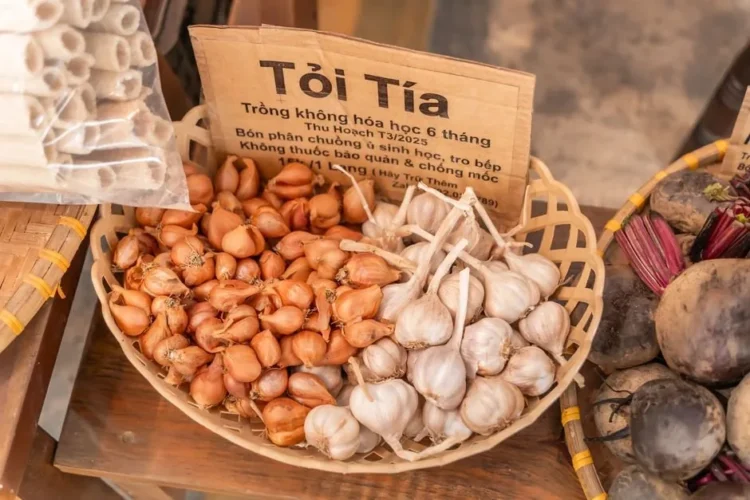
A small, clustered bulb vegetable in the onion family (Amaryllidaceae), prized for its delicate sweet-savory flavor, subtle aroma, and fine-textured flesh. It bridges the culinary gap between garlic and common onion in cuisines from France to Southeast Asia.
History & Origins
The shallot's botanical synonym Allium ascalonicum derives from Ashkelon, an ancient Philistine port city where, according to Pliny the Elder, shallots were cultivated and traded across the Mediterranean by the 1st century CE. Arab agronomists such as Ibn al-Awwam documented its intensive cultivation in al-Andalus during the 12th century, and by the medieval period shallots were firmly established in French monastery gardens, where they were selected for the mild, sweet clones that define the modern European type. Today, France, the Netherlands, Thailand, and India are among the largest producers.
Nutrition Facts
Per 100 g, edible portion (estimated)
- 72 kcalCalories
- 2.5 gProtein
- 0.1 gFat
- 16.8 gCarbs
- 3.2 gFiber
- 7.9 gSugars
- 334 mgPotassium
- 8 mgVitamin C
- 3 mcgVitamin A
Culinary Uses
- Foundation of classic French sauces such as béarnaise, meurette, and shallot butter for steak
- Caramelized slowly in butter as a condiment for pâté, cheese boards, and tartines
- Crispy fried shallot garnish atop Indonesian nasi goreng, Malaysian laksa, and Thai khao man gai
- Quick-pickled in vinegar for banh mi, Vietnamese salads, and Peruvian cebiche accompaniments
Known Benefits
- Rich in sulfur-containing thiosulfinates and flavonoid antioxidants such as quercetin and kaempferol
- Provides vitamin C, vitamin B6, and manganese for immune and metabolic support
- Associated with improved cardiovascular markers when consumed regularly as part of a balanced diet
- Contains allicin-class compounds with documented antimicrobial properties
Hidden Benefits
- Notable inulin and fructo-oligosaccharide content acts as a prebiotic for beneficial gut bacteria
- Provides bioavailable chromium that may aid glucose metabolism
- Higher quercetin density per gram than many common yellow onions due to its smaller water content
- Pink-tinged varieties carry anthocyanin pigments with additional antioxidant activity
Cautions & Considerations
- High fructan content can trigger bloating or IBS-type symptoms in sensitive individuals
- May provoke allergic reactions in those with onion, garlic, or allium intolerance
- Raw consumption can aggravate gastroesophageal reflux in some people
- Toxic to dogs, cats, and many pets due to N-propyl disulfide, which damages red blood cells





