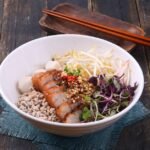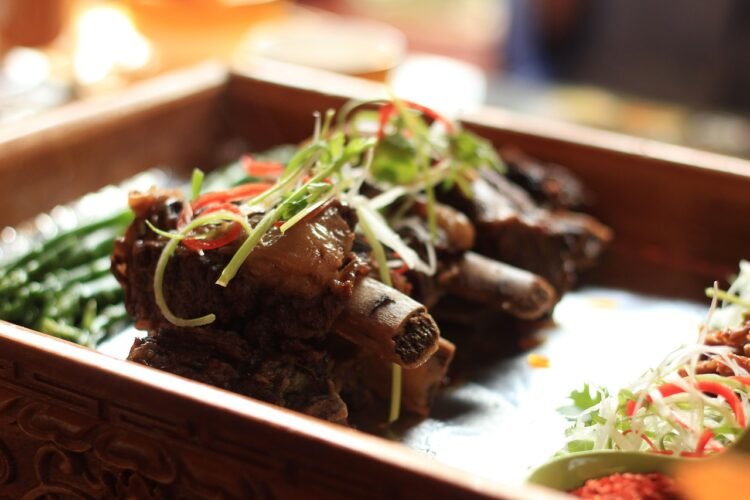
Yak meat is the flesh of the yak, a long-haired bovine native to the high-altitude grasslands of the Tibetan Plateau and Himalayas, prized for its lean, protein-rich quality and distinctive flavor in Tibetan, Nepali, Bhutanese, and Mongolian cuisines.
History & Origins
Yak has been domesticated for over 4,000 years by nomadic Tibetan peoples, serving as a primary source of meat, milk, transportation, and wool. The animal thrives in altitudes above 3,000 meters where few other livestock can survive, making it indispensable to highland communities. Traditional yak meat preservation methods include drying in the thin, cold mountain air, producing a commodity called sukuti. Trade routes between Tibet, Nepal, and China distributed yak meat and its derivatives across Central Asia for centuries. Today, yak meat remains a cultural and economic staple for over 10 million people across five countries.
Nutrition Facts
Per 100 g, edible portion (estimated)
- 123 kcalCalories
- 73 gWater
- 21 gProtein
- 4 gFat
- 2 gSaturated Fat
- 0 gCarbs
- 0 gFiber
- 0 gSugars
- 380 mgPotassium
- 12 mgCalcium
- 3.2 mgIron
- 24 mgMagnesium
- 0 mgVitamin C
- 0 mcgVitamin A
- 1.5 mcgVitamin K
- 12 mcgFolate
Culinary Uses
- Dried and sliced thin as sukuti, a traditional jerky-like snack
- Ground into meatballs and kebabs in Tibetan and Nepali cuisines
- Slow-stewed with potatoes and spices in traditional Himalayan soups
- Smoked over juniper or pine wood for distinctive mountain flavor
- Grilled as steak in highland restaurants across Nepal and Bhutan
Known Benefits
- Exceptionally high protein content supporting muscle development
- Very lean compared to conventional beef, with lower saturated fat
- Rich in iron and zinc, supporting immune function and oxygen transport
- Excellent source of B vitamins, particularly B12, for nerve function
- Contains conjugated linoleic acid (CLA) with studied anti-inflammatory properties
Hidden Benefits
- Higher omega-3 fatty acid content than typical beef due to grass-fed grazing
- Contains carnosine, an antioxidant dipeptide that may protect against neurological decline
- Provides selenium in meaningful quantities, supporting thyroid function
- The lean texture makes it suitable for high-protein, low-calorie diet plans
- Contains taurine, beneficial for cardiovascular and skeletal muscle health
Cautions & Considerations
- Higher cholesterol content than some lean meats requires moderation for heart patients
- Very lean texture can result in a slightly gamey taste that may not appeal to all palates
- Should be cooked thoroughly to eliminate potential parasitic organisms endemic to highland livestock
- Higher purine content means individuals with gout should limit consumption
- Limited commercial availability outside of Himalayan regions and specialty butcher shops