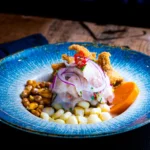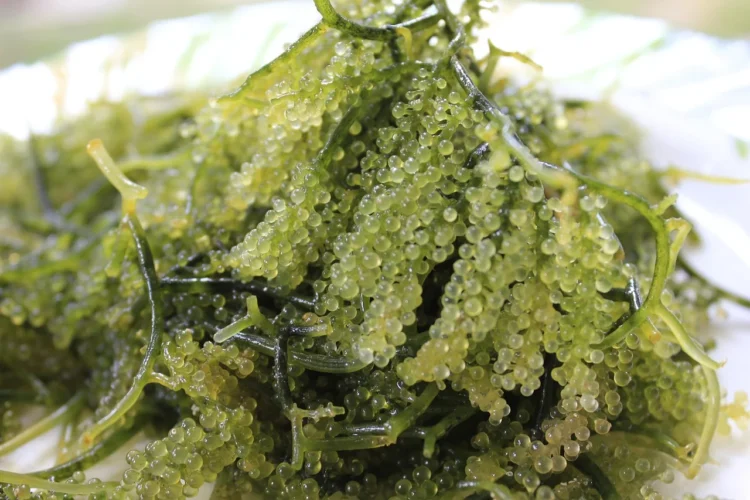
At a Fijian feast, kokoda has a partner: nama, the sea grape known in Fijian as lumi cevata. Harvested from lagoons and reef flats, these translucent green strands carry dozens of tiny beads that burst between your teeth with a clean taste of the sea — islanders call it the caviar of the Pacific. Nama is served raw and barely handled: it is rinsed until sparkling, chilled, and dressed only at the moment of serving with miti, Fiji’s all-purpose sauce of coconut cream sharpened with lime, onion, tomato and chili. Dress it a minute too early and the beads wilt; dress it at the table and every mouthful pops. Serve it heaped beside warm boiled cassava or taro, exactly as it appears at lovo feasts and village tables across Fiji.
Nutrition Facts
Per serving (estimated)
- 150 kcalCalories
- 10 gFat
- 9 gSaturated Fat
- 10 gCarbs
- 3 gFiber
- 4 gSugar
- 4 gProtein
- 520 mgSodium
- 340 mgPotassium
- 70 mgCalcium
- 2 mgIron
- 20 mgVitamin C
- 450 mcgVitamin A
Ingredients
For the sea grapes
- 14 oz (400 g) fresh sea grapes (nama / lumi cevata), picked over
- 1 tsp sea salt, for the washing water
- Iced salted water, for refreshing (if blanching)
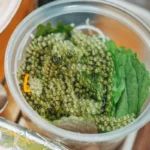 Sea grapes
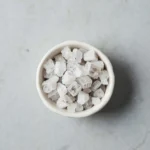 Sea salt
For the miti coconut dressing
- 1 cup (240 ml) full-fat coconut cream, well stirred
- 2 tbsp freshly squeezed lime juice (about 1 large lime)
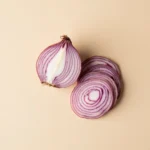
- 1/2 small red onion, very finely diced
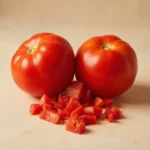
- 1 medium ripe tomato, seeded and finely diced
- 1-2 red bird’s-eye chilies, seeded and finely minced
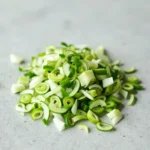
- 2 spring onions, thinly sliced
- 1/2 tsp fine sea salt, or to taste
- Freshly ground black pepper, to taste
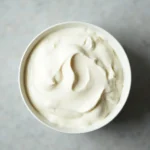 Coconut cream
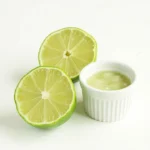 Fresh lime juice
 Red onion
 Ripe tomato
 Red bird’s-eye chilies
 Spring onion
 Fine sea salt
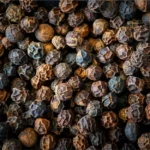 Black pepper
To serve
- 1/2 small cucumber, thinly sliced (optional)
- Boiled cassava (tavioka) or taro, warm, for serving
- Lime wedges and extra whole chilies
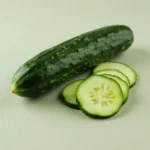 Cucumber
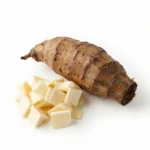 Cassava root
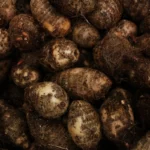 Taro root
 Lime wedges
Directions
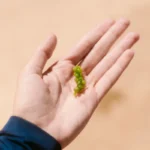 Clean the nama: spread the sea grapes in a large bowl and pick out any dark, damaged or shriveled strands. Cover with cold water and 1 teaspoon of sea salt, swish gently with your hands, then lift the nama out (do not pour it through a sieve, which bruises the beads). Repeat with fresh salted water two or three times, until the water runs clear and free of grit. Never leave nama soaking — a few minutes in water is enough, or the beads lose their famous pop.
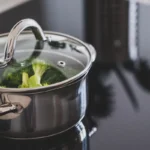 Optional, for a brighter green and a firmer pop: dip the rinsed nama in just-boiled water for 10-20 seconds, then lift it straight into iced salted water for 30 seconds. Many Fijian cooks skip blanching entirely and serve nama completely raw; either way, drain it very well and pat dry gently with a clean cloth.
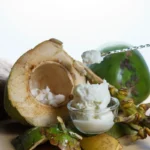 Make the miti: whisk the coconut cream, lime juice, fine sea salt and freshly ground black pepper together in a bowl until smooth and glossy. The lime should sharpen the cream without thinning it — the dressing must coat the back of a spoon.
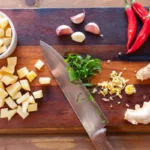 Fold the diced onion, tomato, chilies and spring onions through the miti, then rest the dressing for 5 minutes so the flavors marry. Taste and adjust: it should be bright, salty-sour and gently hot, with the coconut rounding everything out.
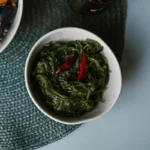 Chill the drained nama and the miti separately for at least 15 minutes. Keep them apart — the salt and acid in the dressing start softening the sea grapes the moment they touch.
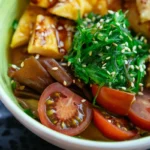 Dress at the very last moment: pile the nama into a shallow serving bowl or a polished half-coconut shell, spoon the miti generously over the top and toss once, gently, with your fingers or two spoons. Add the cucumber slices, if using.
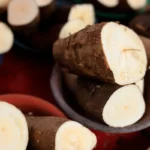 Serve immediately with warm boiled cassava or taro for scooping, lime wedges and extra chilies on the side. Eat nama within minutes of dressing, while the beads still burst — it is a salad that waits for no one.
Cook’s Notes
- Timing is everything: nama wilts within minutes once salt and lime touch it, so the dressing goes on at the table, never in advance. If you are serving guests, bring the bowl of nama and the jug of miti separately and dress it in front of them.
- Buying nama: look for translucent, bright-green strands whose beads feel firm and springy. Avoid nama that looks dark, slimy or smells sour — it should smell only of clean seawater. Use it the day you buy it whenever possible.
- Only salted sea grapes (Japanese umibudo) available? Rinse them in several changes of cold water to remove the brine, soak for just 2-3 minutes to re-crisp, and expect a slightly softer pop than fresh Fijian nama. Dried sea grapes rehydrate in cold water in about 5 minutes.
- Miti is Fiji’s master sauce: the same dressing is spooned over kokoda, grilled fish and plain boiled taro. It is traditionally made with the cream of freshly grated coconut; a good full-fat canned coconut cream is the practical substitute. Never boil it — coconut cream splits over heat.
- At a lovo feast nama sits right beside kokoda, and some cooks fold a few spoonfuls of kokoda through the dressed nama for a surf-and-seaweed bowl. Undressed nama keeps for 1 day refrigerated in lightly salted water; dressed nama does not keep at all.
More Fiji Recipes You’ll Love
Craving more flavors from Fiji? Try these traditional recipes:
You might also like

See this site more often in your Google results.