 (No Ratings Yet)
 Loading...
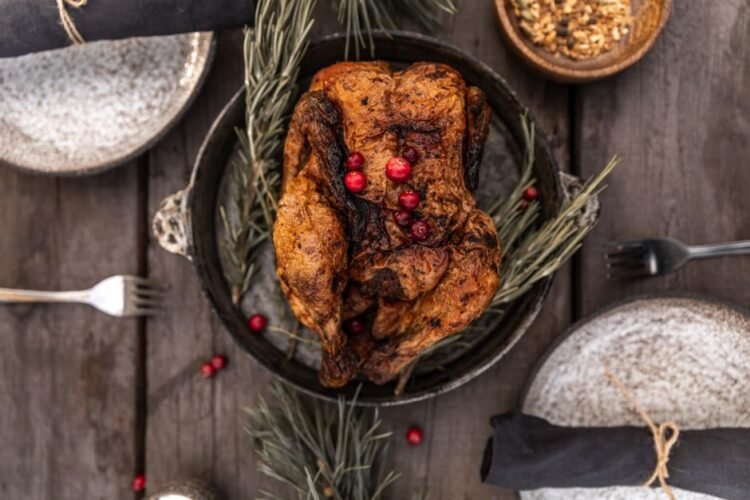
A cornerstone of Egyptian celebratory cooking, squab pigeons are marinated in warm spices, stuffed with cracked green wheat and fresh herbs, then slow-roasted until the skin turns burnished and the meat falls from the bone. Served across the Nile Delta at weddings and Friday family feasts, this dish showcases the deep, nutty character of freekeh alongside aromatic poultry.
Prep Time35 mins
Cook Time75 mins
Total Time110 mins
Servings4
Yield4 stuffed pigeons (1 per serving)
Nutrition Facts
Per serving (estimated)
- 615 kcalCalories
- 32 gFat
- 9 gSaturated Fat
- 38 gCarbs
- 6 gFiber
- 2 gSugar
- 44 gProtein
- 520 mgSodium
- 780 mgPotassium
- 95 mgCalcium
- 6.5 mgIron
- 9 mgVitamin C
- 70 mcgVitamin A
Ingredients
For the pigeons and spice rub
- 4 whole squab pigeons (about 350 g each), cleaned and trimmed
- 3 tbsp melted ghee, plus extra for basting
- 2 tbsp freshly squeezed lemon juice
- 1 medium onion, grated and strained (about 3 tbsp juice)
- 1 1/2 tsp ground cinnamon
- 1 tsp ground allspice
- 1 tsp kosher salt
- 1/2 tsp freshly ground black pepper
- 1/4 tsp ground cardamom
- 1/4 tsp ground ginger
For the freekeh stuffing
- 1 1/2 cups coarse freekeh (cracked green wheat), rinsed
- 2 1/2 cups low-sodium chicken stock
- 1 small onion, finely diced
- 2 tbsp ghee
- 1/4 cup chopped fresh flat-leaf parsley
- 1/4 cup chopped fresh dill
- 2 tbsp chopped fresh mint
- 1/4 cup toasted pine nuts
- 1/2 tsp ground cinnamon
- 1/2 tsp kosher salt
- 1/4 tsp freshly ground black pepper
For finishing
- 1 tbsp warm ghee for brushing
- Lemon wedges and fresh parsley sprigs, to serve
- Fine sea salt, to taste
Directions
- Combine the grated onion juice, lemon juice, melted ghee, cinnamon, allspice, salt, pepper, cardamom, and ginger in a small bowl. Pat the pigeons dry, rub them thoroughly inside and out with the spice mixture, and let them marinate at room temperature for 30 minutes (or refrigerate up to overnight).
- Meanwhile, prepare the stuffing: heat 2 tablespoons of ghee in a saucepan over medium heat and sauté the diced onion until soft and golden, about 6 minutes. Add the rinsed freekeh and toast it for 2 minutes, stirring, until fragrant.
- Pour in the chicken stock, add the cinnamon, salt, and pepper, and bring to a boil. Reduce heat to low, cover, and simmer for 12 to 15 minutes until the freekeh is just tender but still chewy. Remove from heat and stir in the parsley, dill, mint, and toasted pine nuts; let cool slightly.
- Preheat the oven to 180°C (350°F). Pack each marinated pigeon loosely with the freekeh mixture — do not overfill, as the grains will expand. Sew or skewer the openings closed with toothpicks and tie the legs together with kitchen twine.
- Place the pigeons breast-side up on a rack set over a roasting pan. Roast for 60 to 70 minutes, basting every 15 minutes with melted ghee, until the juices run clear when the thigh is pierced and the internal temperature reaches 74°C (165°F).
- For an extra-crisp finish, broil the pigeons 10 cm from the heat for 3 to 5 minutes until the skin is deep mahogany. Rest the birds under loose foil for 10 minutes, then brush with warm ghee and sprinkle lightly with fine sea salt.
- Serve each pigeon on a warmed plate with the pan juices, accompanied by lemon wedges, fresh parsley, and extra cooked freekeh from the cavity.
Cook’s Notes
- If squab is unavailable, substitute small Cornish hens (reduce roasting time to 45 minutes) or quail (about 30 minutes) for the closest experience.
- Freekeh gives the traditional nutty depth, but you can swap in short-grain Egyptian rice or coarse bulgur cracked similarly — adjust stock and simmer time to keep the grains tender but separate.
- For the most authentic flavor, finish the pigeons on a charcoal grill over medium embers for 5 minutes per side after roasting; the smoke pairs beautifully with the warm spice rub.
- Always toast freekeh in ghee before adding liquid — this step builds the deep, roasted flavor Egyptians prize in this celebratory dish.
- Let the pigeons rest at least 10 minutes before carving so the flavorful juices redistribute through the meat rather than running onto the plate.