 (No Ratings Yet)
 Loading...
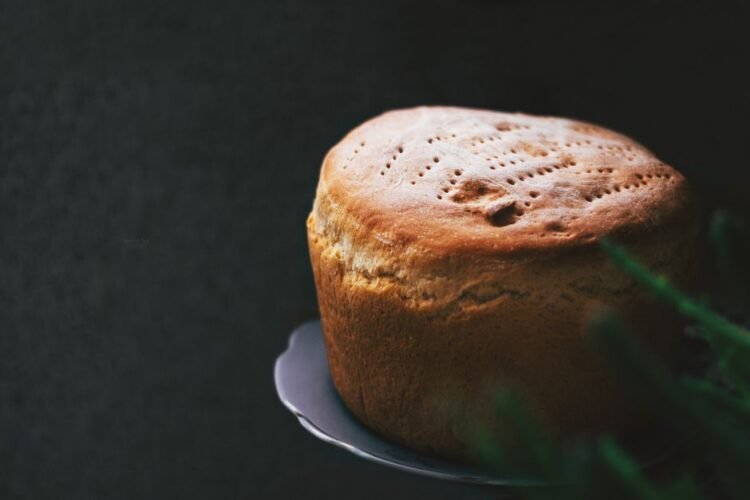
Rewena is a traditional Maori fermented bread made with a bubbly potato starter that gives the loaf a soft crumb and gentle tang. The natural fermentation develops subtle sweet-sour notes and a tender texture, making it a beloved staple at Maori gatherings and family tables across Aotearoa.
Prep Time30 mins
Cook Time45 mins
Total Time75 mins
Servings8
Yield1 loaf (8 slices)
Nutrition Facts
Per serving (estimated)
- 285 kcalCalories
- 3.5 gFat
- 1.2 gSaturated Fat
- 54 gCarbs
- 2.5 gFiber
- 5 gSugar
- 8 gProtein
- 295 mgSodium
- 220 mgPotassium
- 25 mgCalcium
- 3 mgIron
- 4 mgVitamin C
- 35 mcgVitamin A
Ingredients
For the Fermented Potato Starter (Mao)
- 1 medium russet potato (about 200 g), peeled and cubed
- 1 1/2 cups plain flour
- 2 cups lukewarm water
- 2 tablespoons white sugar
For the Bread Dough
- 1 cup active fermented potato starter (from above)
- 3 1/2 cups strong bread flour
- 2 tablespoons white sugar
- 1 teaspoon fine sea salt
- 2 tablespoons melted butter or neutral oil
- 3/4 to 1 cup lukewarm water, as needed
For Finishing
- 1 tablespoon melted butter for brushing
- Extra flour for dusting
Directions
- Begin the starter 2 to 3 days ahead: boil the cubed potato in water until very soft, then mash it smooth without draining too much. In a non-metallic bowl, combine the mashed potato with flour, lukewarm water, and sugar, stirring until smooth. Cover loosely with a clean cloth and leave in a warm spot for 48 to 72 hours, stirring once daily, until the mixture is bubbly, slightly foamy, and smells gently tangy.
- When the starter is active and aromatic, place 1 cup of it into a large mixing bowl (reserve the rest for another bake or refresh with equal parts flour and water). Add the bread flour, sugar, salt, melted butter, and 3/4 cup of the lukewarm water.
- Mix with a wooden spoon until a shaggy dough forms, then turn out onto a lightly floured surface and knead for 10 to 12 minutes, adding more water a tablespoon at a time if the dough feels stiff, until it is smooth, elastic, and just slightly tacky.
- Shape the dough into a round, place it in a lightly oiled bowl, cover with a damp tea towel, and leave to rise in a warm place for 1 1/2 to 2 hours, or until roughly doubled in size.
- Punch down the risen dough, reshape it into a tight round loaf, and place it on a parchment-lined baking sheet or in a greased 20 cm round cake tin. Cover and prove for another 45 minutes to 1 hour until puffy.
- Preheat the oven to 190°C (375°F). Bake the loaf for 40 to 45 minutes, until the crust is deep golden and the base sounds hollow when tapped; an internal temperature of 95°C (200°F) confirms it is cooked through.
- Transfer to a wire rack, brush the hot crust with melted butter for a soft finish, and allow to cool for at least 30 minutes before slicing so the crumb sets properly.
Cook’s Notes
- If your starter smells harsh or alcoholic rather than mildly tangy and yeasty, it has likely over-fermented; refresh it with 1/2 cup flour and 1/2 cup water and rest another 12 hours.
- For a softer, sandwich-style crumb, brush the dough with a little extra butter just before baking and again when it comes out of the oven.
- Traditional rewena was often baked in a steamy environment to mimic an earth oven; place a small metal pan of water on the oven floor while baking for a softer crust.
- Leftover rewena bread toasts beautifully the next day and pairs well with butter, honey, or savory fillings like cheese and smoked salmon.