 (No Ratings Yet)
 Loading...
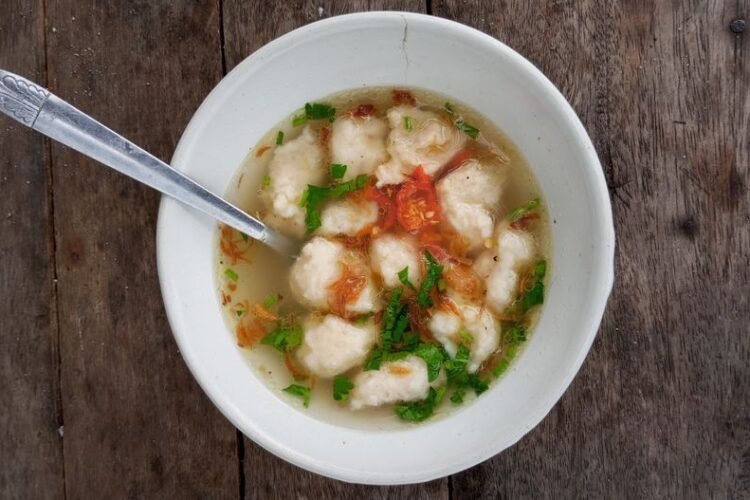
Tuo Zaafi, often shortened to TZ, is a beloved staple from Northern Ghana made by stirring stiff corn flour dough into boiling water until it forms a firm, smooth ball. It is traditionally eaten by hand, dipped or smothered in a spicy soup loaded with smoked fish, tender beef, and leafy greens. This version pairs the dumplings with a richly seasoned light soup that balances heat, smoke, and earthy greens in every bite.
Prep Time20 mins
Cook Time60 mins
Total Time80 mins
Servings4
Yield4 servings
Nutrition Facts
Per serving (estimated)
- 620 kcalCalories
- 22 gFat
- 7 gSaturated Fat
- 72 gCarbs
- 8 gFiber
- 6 gSugar
- 38 gProtein
- 720 mgSodium
- 950 mgPotassium
- 180 mgCalcium
- 6 mgIron
- 25 mgVitamin C
- 320 mcgVitamin A
Ingredients
For the Corn Dumplings (Tuo Zaafi)
- 2 cups maize (corn) flour, sifted
- 1/2 cup cassava flour
- 1 tsp salt
- 3 cups water, plus more if needed
For the Soup Base
- 1 lb beef shank, cut into 1-inch chunks
- 2 large ripe tomatoes, roughly blended
- 1 large onion, roughly chopped
- 3 scotch bonnet peppers, pierced with a knife
- 1 inch fresh ginger, smashed
- 3 garlic cloves, smashed
- 2 tbsp tomato paste
- 2 tbsp shea butter or vegetable oil
For Finishing the Soup
- 1 lb smoked mackerel or tilapia, deboned and flaked
- 1 tsp dawadawa (fermented locust beans), optional
- 1 small bundle jute leaves (ayoyo) or baby spinach, washed and chopped
- 4 cups water or beef stock
- Salt, to taste
Directions
- Start the soup base by combining the beef shank, chopped onion, smashed ginger, garlic, and 4 cups of water in a heavy pot; bring to a boil, skimming any foam, then reduce heat and simmer covered for 35 to 40 minutes until the beef is fork tender.
- Stir in the blended tomatoes, scotch bonnet peppers, tomato paste, and shea butter, then simmer uncovered for 10 minutes to let the flavors concentrate and the oil rise to the top.
- While the soup simmers, prepare the dumplings by bringing 3 cups of water to a vigorous rolling boil in a large, heavy pot.
- Reduce the heat to medium-low and gradually sprinkle in the sifted maize flour and cassava flour while stirring constantly and firmly with a wooden spatula or paddle to prevent lumps from forming.
- Add the salt and continue folding, pressing, and turning the dough for 12 to 15 minutes until it becomes a smooth, stiff, slightly elastic ball that pulls away from the sides of the pot; wet your hands and divide into 4 equal portions, shaping each into a smooth dome.
- Add the flaked smoked fish and dawadawa to the simmering soup and cook gently for 5 minutes so the fish soaks up the broth.
- Stir the chopped jute leaves (or spinach) into the soup, season with salt to taste, and cook for 2 to 3 minutes until the greens are just wilted and tender.
- To serve, place one warm dumpling dome into each wide bowl, ladle the hot smoked fish and beef soup generously around or over it, and eat traditionally with the right hand by pinching off small pieces of dumpling and dipping them into the soup.
Cook’s Notes
- Use a sturdy wooden spatula or paddle and a heavy pot when stirring Tuo Zaafi; the dough becomes extremely stiff and a weak utensil will break.
- Traditional maize flour from Ghana (often labeled bankye or corn dough flour) absorbs water differently from fine cornmeal, so adjust with hot water a tablespoon at a time if the dough feels dry or wet.
- Wet your hands frequently while shaping the dumplings to keep the surface smooth and prevent the dough from sticking.
- For an even more authentic flavor, substitute smoked guinea fowl or dried bonga fish for the mackerel and add a handful of dried okra slices to the simmering soup.
- Tuo Zaafi thickens as it cools; rewarm leftover dumplings with a splash of water over low heat and knead briefly to restore their pliable texture.