 (No Ratings Yet)
 Loading...
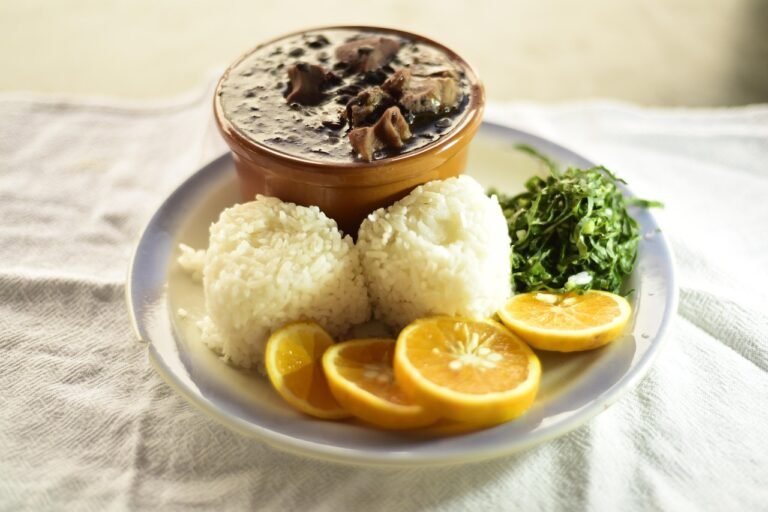
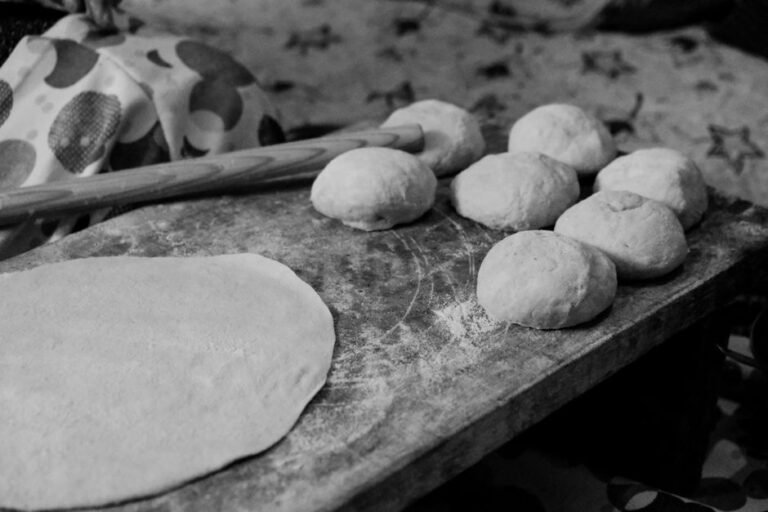
A comforting Rwandan stew where slow-simmered green plantains melt into a fragrant tomato-coriander sauce around tender cubes of beef. Naturally thickened by the starchy plantains, it has the rustic heartiness found across the Great Lakes region of East Africa. Serve it over rice or with a wedge of chapati for an authentic Rwandan meal.
Prep Time15 mins
Cook Time35 mins
Total Time50 mins
Servings4
Yield4 hearty servings
Nutrition Facts
Per serving (estimated)
- 485 kcalCalories
- 18 gFat
- 6 gSaturated Fat
- 52 gCarbs
- 5 gFiber
- 20 gSugar
- 28 gProtein
- 690 mgSodium
- 1050 mgPotassium
- 70 mgCalcium
- 4.2 mgIron
- 30 mgVitamin C
- 55 mcgVitamin A
Ingredients
For the plantains
- 6 green (unripe) plantains, peeled and cut into 1-inch chunks
- 1 tbsp lemon juice
For the beef and base
- 2 tbsp vegetable oil
- 1 lb beef stew meat, trimmed and cut into 1-inch cubes
- 1 large yellow onion, finely diced
- 3 garlic cloves, minced
- 1 tbsp grated fresh ginger
- 2 medium ripe tomatoes, grated against a box grater
- 2 tbsp tomato paste
For the sauce and simmering
- 1 1/2 tsp ground coriander
- 1 tsp sweet paprika
- 1/2 tsp ground cumin
- 1/2 tsp ground turmeric
- 1 dried bay leaf
- 2 cups beef stock or water
- 1 beef bouillon cube
- 1 tsp kosher salt, plus more to taste
- 1/2 tsp freshly ground black pepper
For finishing
- 1 small bunch fresh cilantro, roughly chopped
- 1 green chili such as jalapeño, thinly sliced (optional)
Directions
- Peel the green plantains by slitting each skin lengthwise with a knife and pulling it away under cold running water to rinse off the sticky sap. Cut into 1-inch chunks and toss with the lemon juice; set aside.
- Pat the beef dry with paper towels. Heat the oil in a heavy Dutch oven over medium-high heat and sear the beef in batches, turning once, until deeply browned on all sides, about 2 minutes per batch. Transfer to a plate.
- Reduce heat to medium and add the onion to the same pot. Cook, stirring occasionally, until softened and lightly golden, about 6 minutes. Stir in the garlic and ginger and cook 1 minute until fragrant.
- Add the grated tomatoes, tomato paste, coriander, paprika, cumin, turmeric, and bay leaf. Cook, stirring often, until the mixture darkens and the oil just begins to separate at the edges, about 4 minutes.
- Return the beef and any juices to the pot. Pour in the stock, crumble in the bouillon cube, and add the salt and pepper. Bring to a boil, then reduce to a gentle simmer, cover, and cook for 20 minutes to tenderize the beef.
- Stir in the plantain chunks, recover, and continue to simmer until both the plantains and beef are fork-tender, another 20 to 25 minutes. Stir gently every few minutes to prevent sticking.
- Use the back of a wooden spoon to mash about one-third of the plantains against the side of the pot; this releases their starch and naturally thickens the stew. Stir to combine and taste for salt.
- Discard the bay leaf. Stir in most of the cilantro and the sliced chili if using, then ladle into shallow bowls. Scatter the remaining cilantro over the top and serve hot with steamed rice or chapati on the side.
Cook’s Notes
- Plantains must be green and unripe for this stew; yellow or spotted ripe plantains will dissolve into sweet mush and won't hold their structure.
- To peel easily, slit each skin lengthwise and pull it away under running water to wash off the sticky sap that stains hands and countertops.
- For a vegetarian version, omit the beef and use vegetable stock along with 1 1/2 cups cooked red kidney beans, added together with the plantains.
- The starchy plantains naturally thicken the sauce as they cook; mash more of them for a thicker stew or leave them whole for a soup-like consistency.
- Traditionally served with isombe (cassava leaves), boiled cassava, or ugali; steamed jasmine rice or warm chapati are also excellent accompaniments.