 (No Ratings Yet)
 Loading...
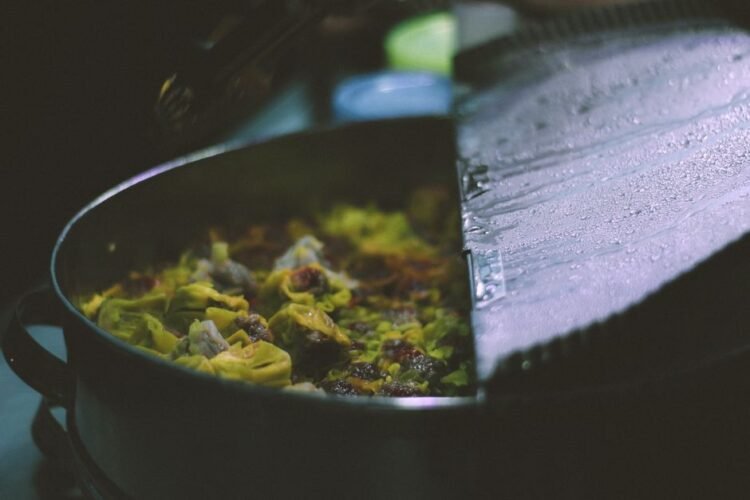
A beloved Indonesian street favorite, these silky steamed fish dumplings are made from mackerel paste seasoned with garlic and pepper, then served with steamed cabbage, potatoes, tofu, and hard-boiled eggs. The signature sweet-savory-spicy peanut sauce brings everything together for a comforting, protein-rich meal that is light yet deeply satisfying.
Prep Time25 mins
Cook Time30 mins
Total Time55 mins
Servings4
Yield4 servings (about 16 dumplings)
Nutrition Facts
Per serving (estimated)
- 510 kcalCalories
- 22 gFat
- 4 gSaturated Fat
- 42 gCarbs
- 6 gFiber
- 9 gSugar
- 35 gProtein
- 720 mgSodium
- 880 mgPotassium
- 135 mgCalcium
- 4 mgIron
- 28 mgVitamin C
- 95 mcgVitamin A
Ingredients
For the fish dumplings
- 500 g skinless mackerel fillets (or tuna), deboned
- 150 g tapioca starch
- 1 large egg, lightly beaten
- 3 cloves garlic, peeled
- 2 shallots, peeled
- 1 tsp fine sea salt
- 1 tsp sugar
- 1/2 tsp ground white pepper
- 2 tbsp ice water
For the steamed accompaniments
- 1 small Chinese cabbage, cut into 4 cm wedges
- 2 medium potatoes, peeled and halved
- 1 small bitter gourd, sliced 1 cm thick (optional)
- 200 g firm tofu, cut into 2 cm cubes
- 4 hard-boiled eggs, peeled
- Banana leaves or parchment, for lining
For the spicy peanut sauce
- 200 g roasted unsalted peanuts
- 3 cloves garlic, peeled
- 2 red bird's eye chilies (adjust to taste)
- 1 tbsp palm sugar, grated
- 1 tbsp kecap manis (sweet soy sauce)
- 1 tsp tamarind paste
- 1/2 tsp salt
- 200 ml warm water, plus more as needed
For serving
- 3 tbsp kecap manis
- 1 lime, cut into wedges
- Extra fried shallots, for garnish
Directions
- Make the fish paste: in a food processor, combine the mackerel, garlic, shallots, egg, salt, sugar, white pepper, and ice water. Pulse for 2-3 minutes until completely smooth, pale, and very sticky; the mixture should hold its shape when a small mound is dropped back in.
- Add the tapioca starch and gently fold in by hand just until incorporated; do not overmix or the dumplings will turn tough. Keep the paste cold while you work.
- Line a large bamboo or metal steamer with banana leaves (or parchment punched with holes). With wet hands, shape the fish paste into flattened patties about 5 cm wide and 2 cm thick. Tuck a small piece of tofu into the center of about half of them for stuffed siomay.
- Arrange the cabbage, potatoes, bitter gourd, tofu cubes, and whole eggs in the steamer basket in a single layer where possible. Place the fish dumplings on top, leaving space between them for steam to circulate.
- Cover and steam over a rolling boil for 20-25 minutes, until the dumplings are firm to the touch and register 74°C (165°F) at the center. The eggs and potatoes should also be hot through.
- While everything steams, prepare the sauce: blend the peanuts, garlic, chilies, palm sugar, kecap manis, tamarind, salt, and warm water until smooth but with a slightly grainy texture. Transfer to a small saucepan and simmer gently for 5 minutes, stirring and loosening with a splash of water if needed; the sauce should coat a spoon but still be pourable.
- Transfer the dumplings, vegetables, tofu, and eggs to a large platter. Drizzle generously with kecap manis and squeeze lime over the top.
- Sprinkle with fried shallots and serve immediately, with the warm peanut sauce and extra kecap manis on the side for dipping.
Cook’s Notes
- Keep the fish paste and your hands cold throughout shaping; this is the secret to a springy, snappy texture rather than a mushy one.
- Mackerel gives the most traditional flavor, but yellowtail, Spanish mackerel, or even lean tuna all work well. Avoid oily freshwater fish that turn mushy.
- Do not overprocess the fish or overmix the starch; stop the moment everything comes together to preserve tenderness.
- Make the peanut sauce ahead and reheat with a splash of water; it thickens as it sits. For a thinner, more pourable sauce, add more warm water.
- Bitter gourd is optional but adds the classic bitter note that balances the rich, sweet peanut sauce; blanch the slices for 1 minute before steaming to mellow the flavor.