 (No Ratings Yet)
 Loading...
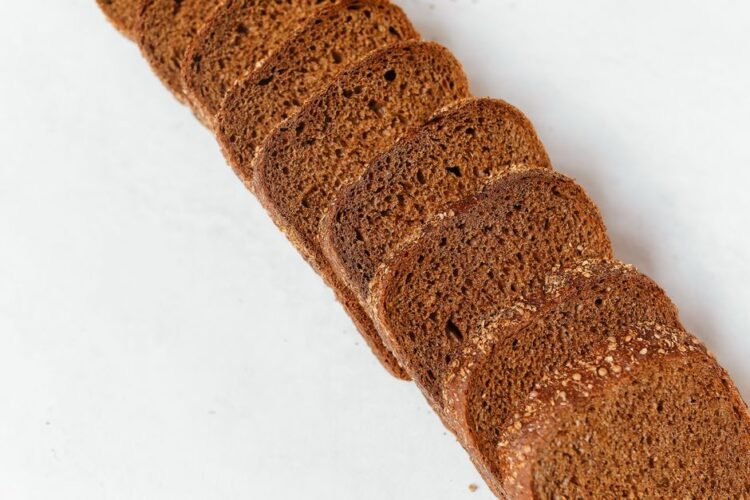
This dense, deeply flavored dark rye bread is the foundation of Danish smørrebrød, the iconic open-faced sandwiches served across Denmark. Packed with whole grains, seeds, and a touch of molasses for color, it develops a tender, moist crumb that improves with age. Slice it paper-thin and top with butter, smoked fish, or aged cheese for an authentic Danish lunch.
Prep Time30 mins
Cook Time60 mins
Total Time90 mins
Servings12
Yield1 loaf (12 slices)
Nutrition Facts
Per serving (estimated)
- 215 kcalCalories
- 5 gFat
- 1 gSaturated Fat
- 38 gCarbs
- 6 gFiber
- 7 gSugar
- 7 gProtein
- 310 mgSodium
- 290 mgPotassium
- 65 mgCalcium
- 2.4 mgIron
- 0.5 mgVitamin C
- 30 mcgVitamin A
Ingredients
For the seed and grain soak
- 1/2 cup rye flakes
- 1/2 cup mixed seeds (sunflower, pumpkin, flax, sesame)
- 1 cup boiling water
For the dough
- 2 1/2 cups dark rye flour
- 1 cup whole wheat flour
- 1 1/2 cups buttermilk, room temperature
- 1/2 cup warm water (110°F / 43°C)
- 2 1/4 teaspoons active dry yeast (1 packet)
- 1/3 cup dark molasses
- 1 tablespoon honey
- 1 1/2 teaspoons fine sea salt
For the pan
- 1 tablespoon softened butter, for greasing
- 2 tablespoons rolled oats, for dusting
Directions
- Combine the rye flakes and mixed seeds in a heatproof bowl, pour the boiling water over them, and stir. Let cool to lukewarm (about 30 minutes) or cover and refrigerate overnight for deeper flavor.
- In a large mixing bowl, sprinkle the yeast over the warm water and let stand 5 minutes until foamy. Whisk in the buttermilk, molasses, honey, and salt until smooth.
- Add the rye flour, whole wheat flour, and the soaked seed mixture to the bowl. Stir with a wooden spoon until a thick, sticky, batter-like dough forms — it should be looser and wetter than a standard wheat dough.
- Cover the bowl with a damp kitchen towel and let rise in a warm spot for 1 1/2 to 2 hours, until the surface is puffy and dotted with bubbles.
- Generously grease a 9×5-inch loaf pan with butter and dust with the rolled oats, tapping out the excess. Scrape the risen dough into the pan and smooth the top with wet hands.
- Cover the pan loosely and let rise again for 45 to 60 minutes, until the dough crests just above the rim of the pan.
- Preheat the oven to 350°F (175°C). Bake on the middle rack for 50 to 60 minutes, until an instant-read thermometer inserted in the center reads 200°F (93°C) and the crust is deeply browned.
- Transfer the pan to a wire rack and brush the top lightly with a little melted butter for a soft, slightly glossy crust. Cool in the pan for 15 minutes, then turn out onto the rack to cool completely.
- Wrap the cooled loaf in a clean linen towel (or a layer of parchment) and let rest at room temperature for at least 12 hours before slicing. The flavor and texture improve significantly with this final cure.
- Slice thinly with a serrated knife and serve with cold butter, smoked salmon, pickled herring, sliced egg, or Danish liver pâté for a traditional open-faced sandwich.
Cook’s Notes
- Soaking the rye flakes and seeds overnight in the refrigerator develops a deeper, nuttier flavor and improves digestibility of the whole grains.
- For a more authentic sourdough tang, replace the yeast with 1 cup of active rye sourdough starter and let the dough ferment at room temperature for 8 to 12 hours instead of the first rise.
- Resist the temptation to add more flour — the dough should remain sticky and batter-like; too much flour will produce a dry, crumbly loaf.
- Wrapped in a tea towel and stored in a bread box, the loaf keeps well for 7 to 10 days, and the flavor actually peaks on day two or three.
- To freeze, slice the fully cured loaf, place the slices in a freezer bag with the air pressed out, and toast directly from frozen for an easy everyday treat.