 (No Ratings Yet)
 Loading...
A classic Finnish preparation, this pickled herring is cured in a sweet-sour spiced vinegar brine with bay leaves, allspice, and layers of thinly sliced onions. Served cold with dark rye bread and butter, it's a beloved Nordic staple found at every summer cottage table. The flavors mellow and deepen noticeably after a few days of resting in the refrigerator.
Prep Time25 mins
Cook Time10 mins
Total Time35 mins
Servings6
Yield6 servings
Nutrition Facts
Per serving (estimated)
- 240 kcalCalories
- 13 gFat
- 3 gSaturated Fat
- 12 gCarbs
- 1 gFiber
- 9 gSugar
- 18 gProtein
- 780 mgSodium
- 320 mgPotassium
- 45 mgCalcium
- 1.5 mgIron
- 4 mgVitamin C
- 35 mcgVitamin A
Ingredients
For the herring
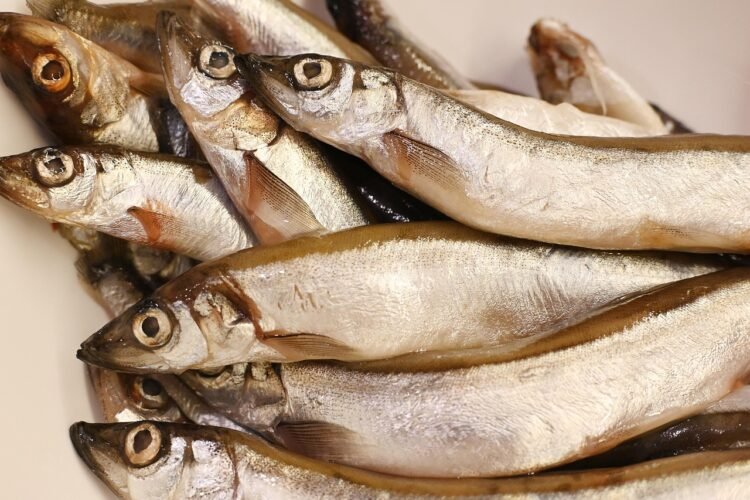
- 4 fresh herring fillets (about 1 1/2 lbs), skin and bones removed
- 1/2 cup whole milk, for the overnight soak
- 2 tablespoons coarse sea salt
- 1/2 teaspoon freshly ground white pepper
For the pickling brine
- 1 cup water
- 3/4 cup distilled white vinegar
- 1/3 cup granulated sugar
- 2 tablespoons coarse salt
- 10 whole allspice berries, lightly crushed
- 6 whole white peppercorns
- 2 dried bay leaves
- 1 small strip of lemon peel
For layering and finishing
- 1 large red onion, very thinly sliced into rings
- 1 small yellow onion, very thinly sliced
- A few sprigs of fresh dill
- Cold-pressed rapeseed oil, for drizzling before serving
Directions
- Rinse the herring fillets under cold water and pat them very dry with paper towels. If desired, soak them in the milk, covered, for 6 to 8 hours in the refrigerator to mellow any strong flavors, then drain and pat dry.
- Season both sides of the fillets with the coarse sea salt and white pepper, place them skin-side down in a shallow dish, cover, and refrigerate for another 8 to 12 hours to lightly cure.
- Rinse the cured fillets quickly under cold water, pat dry, and cut each fillet on the bias into 1 1/2-inch wide pieces.
- In a small saucepan, combine the water, white vinegar, sugar, coarse salt, allspice berries, peppercorns, bay leaves, and lemon peel. Bring to a gentle simmer over medium heat, stirring until the sugar and salt fully dissolve, then remove from the heat and let the brine cool completely to room temperature.
- In a wide-mouthed glass jar or ceramic crock with a tight lid, layer the herring pieces alternately with slices of red and yellow onion and sprigs of dill between each layer, finishing with a generous cap of onion rings on top.
- Pour the cooled brine over the layered herring, making sure every piece is fully submerged. If necessary, weight the top with a small clean plate to keep the fish under the liquid.
- Cover tightly and refrigerate for at least 48 hours, ideally 4 to 5 days, turning the jar gently every 12 hours so the flavors distribute evenly through the brine.
- To serve, lift the herring and onions from the brine with a slotted spoon, arrange on a platter, drizzle very lightly with cold-pressed rapeseed oil, and offer the remaining brine in a small pitcher on the side.
Cook’s Notes
- Buy true Baltic or North Atlantic herring if available; the flesh is more delicate than Pacific herring. If using frozen fillets, thaw them slowly in the refrigerator overnight.
- The flavor develops significantly after 4 days and peaks around day 5 to 7. Properly stored under brine in a sealed jar, the herring keeps for up to 3 weeks in the coldest part of the refrigerator.
- For a colorful Finnish-style variation, add 1/2 cup of peeled and thinly sliced raw beet to the jar; it gives the herring a jewel-toned ruby hue reminiscent of rosolli.
- Always taste the cooled brine before pouring; it should be balanced rather than harshly acidic. If too sharp, stir in an extra tablespoon of sugar dissolved in a splash of warm water.
- Take the herring out of the refrigerator about 15 minutes before serving so the chill fades slightly and the oils loosen; very cold temperatures mute the aroma and texture.