 (No Ratings Yet)
 Loading...
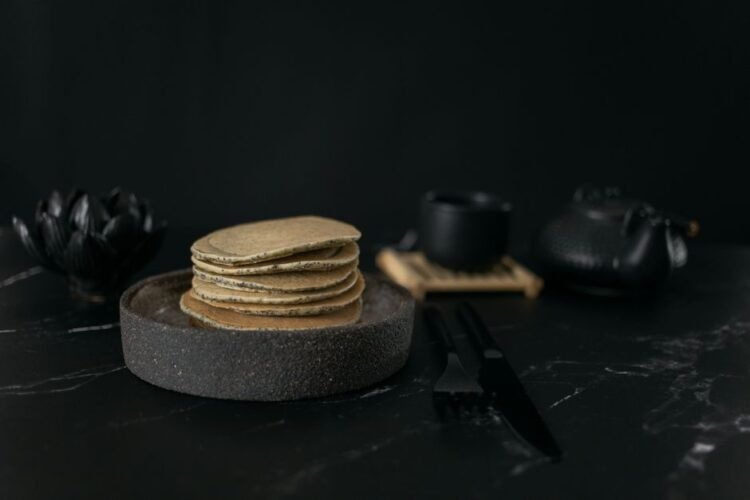
A beloved breakfast and street food from Niger, these soft, pliable pancakes are made from rice that is soaked, blended, and naturally fermented to develop a gentle tang. Light and slightly yeasty, they are traditionally eaten warm alongside a rich tomato-pepper stew or a savory soup such as miyan kuka.
Prep Time15 mins
Cook Time25 mins
Total Time40 mins
Servings4
Yield8 small pancakes (4 servings)
Nutrition Facts
Per serving (estimated)
- 290 kcalCalories
- 7 gFat
- 1 gSaturated Fat
- 52 gCarbs
- 1 gFiber
- 0 gSugar
- 5 gProtein
- 150 mgSodium
- 85 mgPotassium
- 20 mgCalcium
- 1.5 mgIron
- 0 mgVitamin C
- 0 mcgVitamin A
Ingredients
For the fermented rice batter
- 2 cups (400 g) long-grain parboiled rice
- 3 cups (720 ml) warm water, for soaking
- 1 to 1 1/2 cups (240 to 360 ml) fresh water, for blending
- 1/2 teaspoon fine sea salt
- 1/4 teaspoon instant yeast (optional, speeds fermentation)
For cooking and finishing
- 4 tablespoons groundnut oil or other neutral oil, divided, plus more for brushing
- 2 to 3 tablespoons water, to thin the batter as needed
- 1 teaspoon nigella or black sesame seeds, for sprinkling (optional)
- A small bowl of warm water, to keep stacked pancakes pliable
Directions
- Rinse the rice under cool running water until the water runs clear, then drain and place in a large bowl.
- Pour the warm soaking water over the rice, cover, and let stand at room temperature for 8 to 12 hours, or overnight.
- Drain the soaked rice and transfer it to a blender with 1 cup of the fresh water. Blend on high until completely smooth, adding more water a splash at a time until the batter is the consistency of heavy cream.
- Stir in the salt and the yeast (if using). Cover the bowl with a clean kitchen towel and leave it to ferment at room temperature for 12 to 24 hours, until the batter has a faintly foamy surface and smells pleasantly tangy.
- When ready to cook, stir the batter gently. If it has thickened during fermentation, whisk in a tablespoon or two of water until it pours easily.
- Heat a 10-inch non-stick skillet over medium-low heat and brush it with a thin film of groundnut oil.
- Pour about 1/3 cup of batter into the pan and swirl to spread it into a thin, even layer about 8 inches across. Cover and cook for 2 to 3 minutes, until the surface looks set and tiny bubbles appear.
- Carefully flip the pancake, sprinkle with a few nigella seeds if using, and cook for another 1 to 2 minutes until both sides are pale gold. Slide onto a plate and cover to keep warm.
- Repeat with the remaining batter, lightly re-oiling the pan between pancakes and stacking the finished pancakes under a clean towel or in a covered dish.
- Serve the pancakes warm, folded or rolled, alongside a savory stew, a simple tomato-pepper sauce, or a soup such as miyan kuka.
Cook’s Notes
- Fermentation time depends heavily on room temperature; in warm climates above 80°F (27°C), 8 to 10 hours is usually enough, while cooler kitchens benefit from the full 24 hours.
- For the most authentic flavor, reserve 2 tablespoons of a previously fermented batch and stir it into the fresh batter to inoculate it.
- The pancakes are best eaten the same day but keep in an airtight container at room temperature for up to 2 days; reheat briefly in a dry skillet over low heat.
- Groundnut (peanut) oil is the traditional choice and lends a nutty aroma, but any neutral vegetable oil works well.
- Aim for a thin, crepe-like layer rather than a thick pancake; the delicate, pliable texture is the hallmark of the dish.