 (No Ratings Yet)
 Loading...
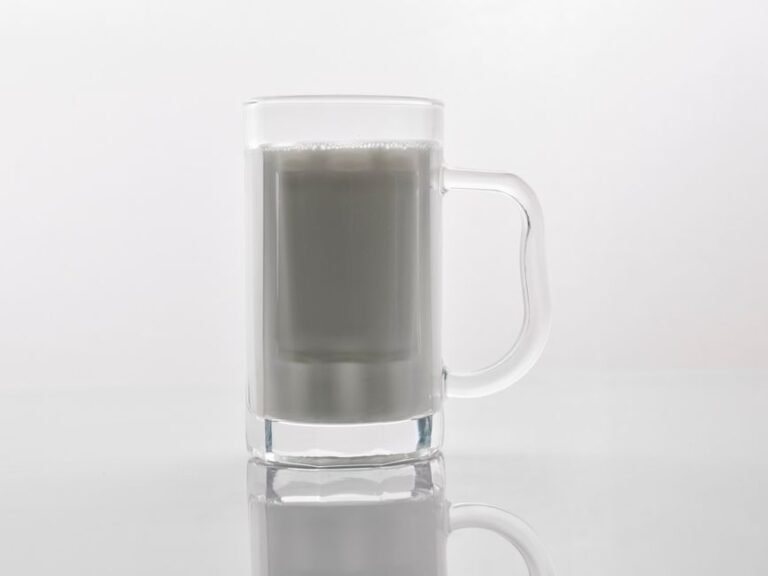
This tangy, slightly effervescent drink has been a staple of Kazakh nomadic culture for centuries, prized for its probiotic benefits and cooling effect in the harsh steppe climate. Made by naturally fermenting fresh camel milk, it develops a complex sour flavor with subtle fruity notes and a creamy, lightly fizzy texture.
Prep Time10 mins
Cook Time20 mins
Total Time30 mins
Servings4
YieldAbout 1 quart (4 cups)
Nutrition Facts
Per serving (estimated)
- 130 kcalCalories
- 5.5 gFat
- 3 gSaturated Fat
- 13 gCarbs
- 0 gFiber
- 12 gSugar
- 6 gProtein
- 125 mgSodium
- 195 mgPotassium
- 190 mgCalcium
- 0.5 mgIron
- 40 mgVitamin C
- 30 mcgVitamin A
Ingredients
For the Fermented Milk
- 1 quart (4 cups) fresh camel milk, raw or pasteurized
- 1/4 cup reserved shubat starter or live-culture kefir grains
- 2 tablespoons raw sugar or honey (optional)
- 1/8 teaspoon fine sea salt
Directions
- Pour the camel milk into a heavy-bottomed stainless steel pot and heat slowly over medium-low heat to 180°F (82°C), stirring occasionally to prevent scorching on the bottom.
- Hold the milk at this temperature for 5 minutes to gently pasteurize, then remove from heat and let it cool to 108 to 110°F (42 to 43°C), which should take about 20 minutes.
- Once cooled, whisk in the reserved shubat starter (or kefir grains) and the optional sugar, stirring gently in one direction to incorporate without introducing too much air.
- Pour the inoculated milk into a clean glass jar, cover loosely with a breathable cloth or coffee filter secured with a rubber band, and place in a warm spot (70 to 75°F) away from direct sunlight.
- Let the milk ferment undisturbed for 12 to 24 hours; you will notice it thickening slightly and developing a tangy aroma with tiny bubbles forming on the surface when ready.
- Taste the ferment; it should be pleasantly sour with a subtle effervescence. If too mild, let it ferment another 4 to 6 hours, watching carefully as it can turn very tangy quickly.
- Once the desired tanginess is reached, strain out any kefir grains (reserve them for the next batch), stir in the pinch of salt, and transfer the jar to the refrigerator to slow further fermentation.
- Serve chilled in small ceramic bowls or glasses, giving the drink a gentle stir to recombine. Shubat is traditionally enjoyed on its own as a refreshing beverage alongside meals of lamb, flatbread, and dried fruits.
Cook’s Notes
- If you cannot find fresh camel milk, use powdered camel milk reconstituted with filtered water, though fresh milk produces superior flavor and texture.
- For the most authentic result, source a true shubat starter from a Kazakh or Central Asian market, an online cultural food retailer, or a friend who regularly makes the drink.
- Maintain consistent warm temperatures during fermentation; in cooler climates, place the jar inside an oven with just the oven light on to provide gentle ambient heat.
- Always use glass or food-grade ceramic containers for fermentation, as reactive metals can taint the flavor and disrupt the cultures.
- Serve the drink cool but not ice-cold by removing it from the refrigerator 15 to 20 minutes before drinking, allowing the complex tangy flavors to fully open up.