 (No Ratings Yet)
 Loading...
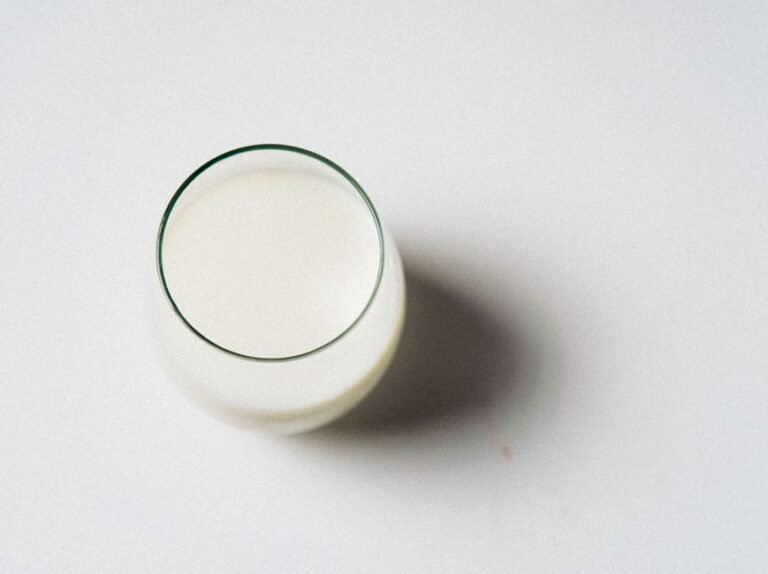
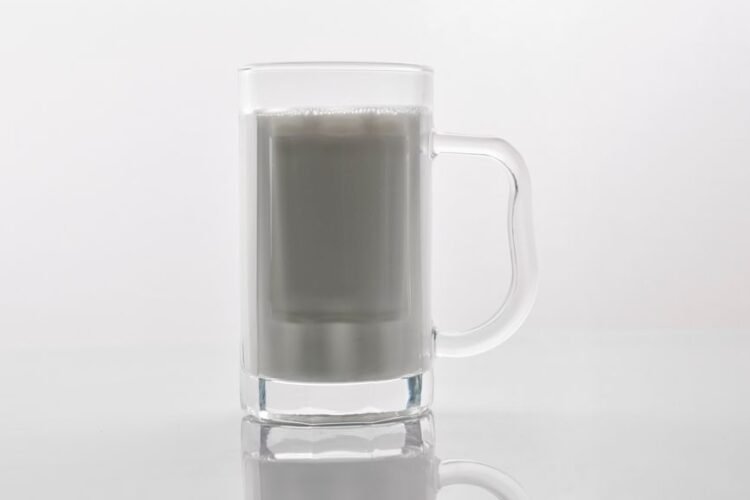
Traditional Kazakh fermented mare milk is a tangy, mildly effervescent dairy beverage enjoyed for centuries by nomadic herders on the Central Asian steppe. It is naturally fermented using lactic acid bacteria and yeast, producing a refreshing sour flavor with subtle fruity notes and a very low alcohol content. This homemade version uses fresh mare's milk and an active starter culture to recreate the authentic taste of the Kazakh steppes.
Prep Time15 mins
Cook Time25 mins
Total Time40 mins
Servings4
Yield4 cups (about 1 L)
Nutrition Facts
Per serving (estimated)
- 60 kcalCalories
- 2 gFat
- 1 gSaturated Fat
- 6 gCarbs
- 0 gFiber
- 6 gSugar
- 3 gProtein
- 30 mgSodium
- 100 mgPotassium
- 130 mgCalcium
- 0.1 mgIron
- 2 mgVitamin C
- 30 mcgVitamin A
Ingredients
For the fermentation
- 1 L (about 4 cups) fresh raw mare's milk, strained through cheesecloth
- 1/4 cup (60 ml) active kumis starter culture or live kefir grains
- 2 tablespoons plain live yogurt with active cultures (optional backup)
Equipment and finishing
- 1 large stainless steel or glass bowl, sterilized
- 1 clean wooden or plastic stirring spoon
- 1 muslin cloth for covering
- 1 glass jar with loose lid for second fermentation
- Cold filtered water for dilution (optional)
Directions
- Sterilize your bowl, spoon, jar, and any equipment by pouring boiling water over them and air-drying them completely; residual soap or detergent can kill the live cultures.
- Pour the fresh strained mare's milk into the sterilized bowl and warm it gently to about 25-30°C (77-86°F) by sitting the bowl in a larger pan of warm water; test with a clean finger, it should feel neutral, not hot.
- Whisk in the kumis starter culture (or kefir grains) thoroughly so the bacteria and yeast are evenly distributed throughout the milk.
- Cover the bowl with the clean muslin cloth to keep dust out while still allowing airflow, and let it rest at room temperature (20-25°C / 68-77°F) for about 18-24 hours; stir gently with the wooden spoon every 4-6 hours to keep the top from separating and to distribute the fermenting cultures.
- When you see fine bubbles rising and the milk tastes tangy but not sharp, transfer the milk into the sterilized glass jar, close the lid only loosely, and refrigerate for 6-12 more hours to slow the fermentation and develop the characteristic light fizz and gentle sourness.
- Stir the finished fermented mare milk one final time, taste for balance, dilute 1-2 tablespoons of cold water per cup if it feels too strong, and serve very cold in small ceramic bowls or glasses as Kazakh tradition prescribes.
Cook’s Notes
- Mare's milk is naturally lower in fat and higher in lactose than cow's milk, which is why kumis ferments quickly and tastes subtly sweet-sour; if you must substitute, goat's milk is the closest match but the flavor will be different.
- Keep the temperature steady during fermentation; too cold and the yeast won't activate, too warm and the milk may turn overly sour or develop off-flavors.
- Traditional Kazakh kumis is unpasteurized and contains live cultures and trace alcohol (0.5-1.5%); pregnant women, young children, and immunocompromised individuals should consult a doctor before consuming.
- Stop fermentation earlier (around 12 hours) for a milder, sweeter drink, or let it go longer for a tangier, more effervescent result with higher alcohol content.
- Serve in a traditional Kazakh wooden bowl (piyala) or a small glass over ice, and pair with fresh bread, dried fruits, or savory dumplings for an authentic nomadic-style spread.