 (No Ratings Yet)
 Loading...
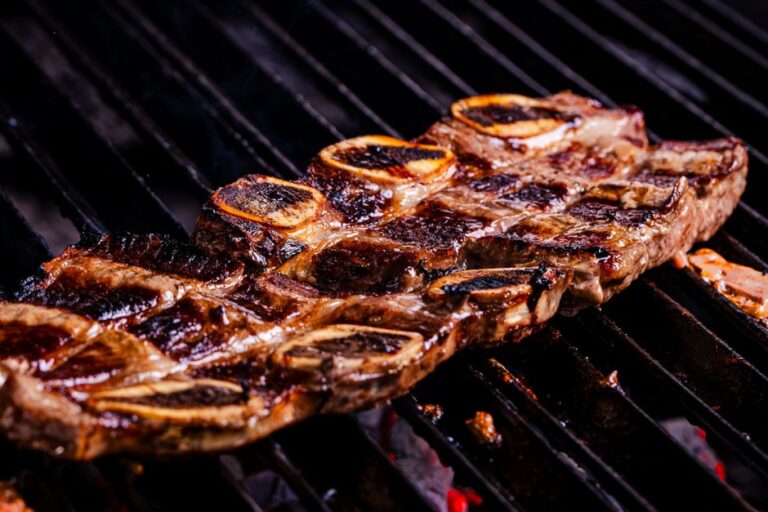
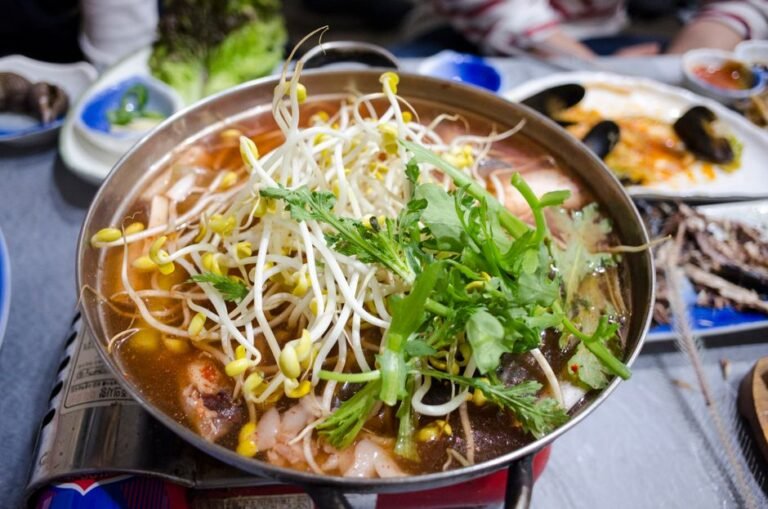
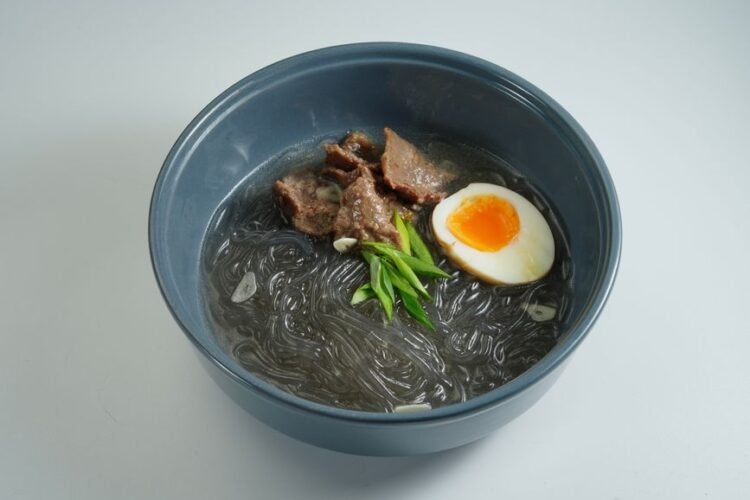
Galbitang is a comforting Korean clear soup featuring tender beef short ribs simmered until the broth turns milky and rich. Glass noodles, daikon, and aromatics round out this classic dish, traditionally enjoyed on special occasions and cold winter days.
Prep Time20 mins
Cook Time150 mins
Total Time170 mins
Servings4
Yield4 servings
Nutrition Facts
Per serving (estimated)
- 510 kcalCalories
- 28 gFat
- 11 gSaturated Fat
- 22 gCarbs
- 2 gFiber
- 4 gSugar
- 42 gProtein
- 780 mgSodium
- 720 mgPotassium
- 65 mgCalcium
- 5 mgIron
- 8 mgVitamin C
- 45 mcgVitamin A
Ingredients
For the ribs and broth
- 3 lbs beef short ribs (English cut, bone-in)
- 10 cups cold water
- 1 large onion, quartered
- 6 garlic cloves, smashed
- 1 inch fresh ginger, sliced
- 2 green onions, cut into 2-inch pieces
- 1 tablespoon Korean coarse sea salt, plus more to taste
- 1 teaspoon whole black peppercorns
For the soup additions
- 1 medium daikon radish, peeled and cut into thick rounds
- 6 oz sweet potato glass noodles (tang soo yook)
- 2 large eggs (optional, for garnish)
- 2 green onions, thinly sliced for garnish
- 1 teaspoon toasted sesame oil
- 1/4 teaspoon freshly ground black pepper
Directions
- Place the short ribs in a large pot, cover with cold water, and bring to a boil over high heat. Boil for 5 minutes, then drain and rinse the ribs under cold water to remove impurities; this step ensures a clear, clean-tasting broth.
- Return the ribs to a clean pot and add 10 cups fresh cold water, the onion, garlic, ginger, whole green onions, sea salt, and peppercorns. Bring to a gentle boil, skimming any foam that rises, then reduce the heat to low so the broth barely simmers.
- Simmer uncovered for 2 to 2.5 hours, occasionally skimming, until the meat is fork-tender and the broth has reduced slightly and turned a pale golden color. The collagen from the bones will give the soup a slightly milky, rich consistency.
- Remove the ribs and set aside. Strain the broth through a fine-mesh sieve into another pot and discard the aromatics. Add the daikon rounds to the strained broth and simmer for 15 to 20 minutes until tender.
- Meanwhile, soak the glass noodles in warm water for 20 minutes, then drain. If using eggs, hard-boil them, peel, and halve. Once the ribs are cool enough to handle, pull the meat from the bones in generous chunks.
- To serve, place a portion of noodles in each bowl, top with daikon and rib meat, and ladle the hot broth over. Garnish each bowl with a halved egg, sliced green onions, a drizzle of sesame oil, and a crack of black pepper.
- Serve immediately with steamed short-grain rice, kimchi, and a small dish of salted fermented shrimp or kochujang on the side for an authentic Korean meal.
Cook’s Notes
- For a clearer broth, soak the ribs in cold water for 1 hour before cooking, changing the water once, to draw out excess blood.
- Galbitang tastes even better the next day once the flavors have melded; store the broth and meat separately in the refrigerator for up to 3 days.
- Substitute Korean radish (mu) for daikon if available, as it has a sweeter, more authentic flavor when simmered.
- Add the glass noodles only to individual bowls rather than the main pot, as they will continue to absorb broth and become mushy if left sitting.
- Adjust the richness by skimming more or less fat from the surface depending on your preference; some diners like a fattier, more traditional galbitang.