 (No Ratings Yet)
 Loading...
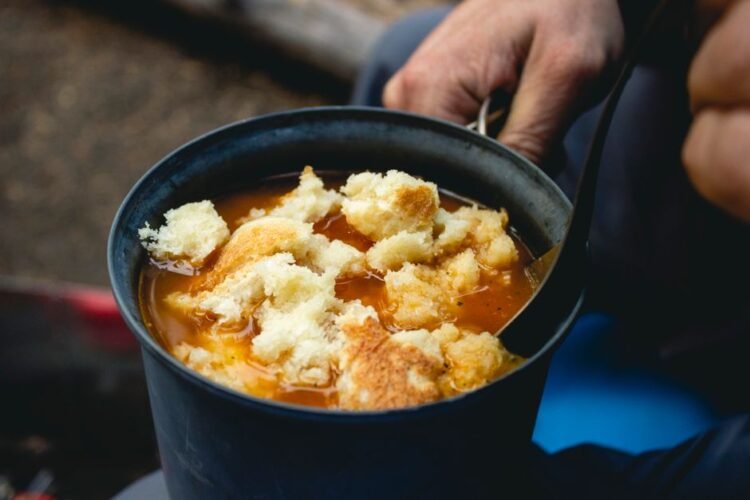
Ribollita, meaning 'reboiled' in Tuscan dialect, is a centuries-old peasant soup thickened with stale bread and slow-cooked white beans. This version leans on creamy cannellini, ribbons of cavolo nero, and a Parmesan rind simmered low until the bread dissolves into a velvety, hearty stew. A finishing swirl of peppery green olive oil makes every bowl deeply comforting.
Prep Time20 mins
Cook Time90 mins
Total Time110 mins
Servings6
Yield6 generous servings
Nutrition Facts
Per serving (estimated)
- 390 kcalCalories
- 14 gFat
- 3 gSaturated Fat
- 48 gCarbs
- 11 gFiber
- 6 gSugar
- 17 gProtein
- 680 mgSodium
- 820 mgPotassium
- 190 mgCalcium
- 4.2 mgIron
- 26 mgVitamin C
- 230 mcgVitamin A
Ingredients
For the beans and base
- 1 cup (200 g) dried cannellini beans, soaked overnight (or 2 cans, 15 oz each, drained)
- 1 small Parmesan rind (about 2 x 4 inches)
- 6 cups (1.4 L) low-sodium chicken or vegetable stock
- 2 bay leaves
For the soffritto
- 1 large yellow onion, finely diced
- 2 carrots, finely diced
- 2 celery ribs, finely diced
- 4 garlic cloves, thinly sliced
- 1/3 cup (80 ml) extra-virgin olive oil, plus more for serving
- 2 tablespoons tomato paste
- 1 sprig fresh rosemary
- 2 fresh sage leaves
For the greens and bread
- 1 bunch (about 8 oz) cavolo nero (Tuscan kale), stems removed, leaves torn
- 1/2 small head savoy cabbage, shredded (about 3 cups)
- 7 oz (200 g) day-old rustic Tuscan or country bread, torn into rough chunks
- 1 (14 oz) can crushed San Marzano tomatoes
- 1 teaspoon kosher salt, plus more to taste
- Freshly cracked black pepper, generous
Directions
- Drain the soaked beans, place in a saucepan, cover with 4 cups water, add a bay leaf and a pinch of salt, and simmer gently 40-50 minutes until creamy but intact (skip this step if using canned beans).
- Meanwhile, warm the 1/3 cup olive oil in a large heavy pot over medium-low heat. Add the onion, carrots, and celery with a pinch of salt and cook 10 minutes until soft and translucent, then stir in the garlic, rosemary, and sage and cook 2 minutes more.
- Stir in the tomato paste and cook 1 minute until darkened and fragrant, then add the crushed tomatoes and cook 5 minutes to concentrate the flavor.
- Drain the cooked beans (reserving their cooking liquid) and add them to the pot along with the stock, Parmesan rind, remaining bay leaf, and about 1 cup of the reserved bean liquid.
- Add the cavolo nero and savoy cabbage, bring to a gentle boil, then reduce to a low simmer and cook uncovered 25-30 minutes, stirring occasionally, until the greens are silky and the broth has thickened noticeably.
- Tear the day-old bread into the pot, pushing it down so it absorbs the liquid, and simmer another 10 minutes until the bread breaks down and the stew takes on a thick, porridge-like consistency; loosen with extra stock if it gets too tight.
- Taste and adjust salt, then cover and let rest off the heat for 15 minutes so the flavors marry (traditionally, ribollita is even better the next day after being cooled and reboiled).
- Ladle into warm bowls, finish each with a generous drizzle of raw extra-virgin olive oil and a heavy grind of black pepper, and serve with crusty bread on the side.
Cook’s Notes
- Use truly day-old rustic bread with a tight crumb (Tuscan, ciabatta, or sourdough country loaf) – soft sandwich bread will turn gummy.
- A Parmesan rind is the secret depth-builder here; keep a bag of them in your freezer specifically for soups and beans.
- Ribollita is famously better on day two – cool completely, refrigerate, then reheat slowly with a splash of stock the next day, which is exactly what its name suggests.
- If cavolo nero is unavailable, substitute lacinato (dinosaur) kale plus an extra handful of savoy; Savoy can be replaced by mild green cabbage, though it will be slightly less sweet.
- Always finish with a generous swirl of high-quality green, peppery Tuscan olive oil – it ties the whole bowl together.