 (No Ratings Yet)
 Loading...
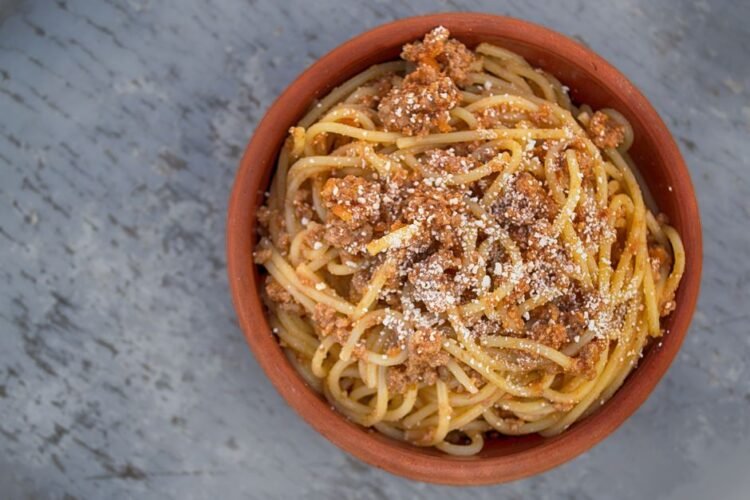
A rustic specialty from the Veneto region of northern Italy, this dish pairs thick, chewy hand-rolled whole wheat pasta with a rich, slow-simmered duck ragù. Duck legs are braised with aromatic vegetables, white wine, and herbs until fork-tender, then shredded into a glossy, deeply flavored sauce.
Prep Time30 mins
Cook Time90 mins
Total Time120 mins
Servings4
Yield4 servings
Nutrition Facts
Per serving (estimated)
- 645 kcalCalories
- 24 gFat
- 7 gSaturated Fat
- 68 gCarbs
- 7 gFiber
- 4 gSugar
- 38 gProtein
- 720 mgSodium
- 680 mgPotassium
- 195 mgCalcium
- 5.5 mgIron
- 6 mgVitamin C
- 280 mcgVitamin A
Ingredients
For the Duck Ragù
- 2 duck legs (about 1.5 lbs / 700 g)
- 2 tbsp olive oil
- 1 small onion, finely diced
- 1 carrot, finely diced
- 1 celery stalk, finely diced
- 2 garlic cloves, minced
- Salt and freshly ground black pepper, to taste
For the Sauce
- 1/2 cup dry white wine
- 1 tbsp tomato paste
- 1.5 cups duck or chicken stock
- 2 fresh thyme sprigs
- 1 bay leaf
For the Pasta Dough
- 1.5 cups whole wheat flour
- 1 cup all-purpose flour, plus extra for dusting
- 2 large eggs
- 1/4 cup warm water
- 1 tbsp olive oil
- 1/2 tsp salt
For Serving
- 1/2 cup freshly grated Parmigiano-Reggiano
- 2 tbsp chopped fresh flat-leaf parsley
- 1 tbsp duck fat or extra-virgin olive oil
Directions
- Pat the duck legs dry and season generously with salt and pepper. Heat the olive oil in a heavy Dutch oven over medium heat and place the duck legs skin-side down. Brown for 6 to 8 minutes until the skin is golden and crisp, then flip and brown the other side for 4 minutes. Remove and set aside.
- Pour off all but 2 tablespoons of fat from the pot. Add the onion, carrot, and celery and cook over medium-low heat for 8 to 10 minutes until softened and lightly caramelized. Stir in the garlic and cook 1 minute more.
- Pour in the white wine and scrape the bottom of the pot to release any browned bits. Let the wine reduce by half, about 3 minutes. Stir in the tomato paste and cook 1 minute.
- Add the stock, thyme, and bay leaf. Return the duck legs to the pot, bring to a gentle simmer, then cover and cook on low for 75 to 90 minutes, until the duck meat is fork-tender and pulls easily from the bone.
- Meanwhile, make the pasta dough. Combine the flours and salt in a bowl, make a well in the center, and add the eggs, water, and olive oil. Mix with a fork until a shaggy dough forms, then knead on a floured surface for 8 to 10 minutes until smooth and elastic. Wrap in plastic and rest for 30 minutes.
- Cut the dough into quarters and roll each piece through a pasta machine (or roll by hand) into long, thick strands about 3 mm in diameter, the size of traditional bigoli. Dust with flour and set aside on a tray.
- Remove the duck legs from the sauce and let cool slightly. Pull the meat from the bones, discarding skin and cartilage, then shred finely. Return the shredded meat to the sauce and simmer 5 minutes to meld the flavors. Season to taste.
- Bring a large pot of generously salted water to a boil. Cook the fresh pasta for 3 to 4 minutes until al dente. Reserve 1/2 cup of pasta water, then drain the pasta.
- Add the pasta directly to the duck ragù along with a splash of the reserved pasta water. Toss vigorously over low heat for 1 minute to coat every strand in the glossy sauce.
- Divide among four warmed bowls, drizzle with a little duck fat or olive oil, and finish with a generous handful of Parmigiano-Reggiano and a sprinkle of fresh parsley. Serve immediately.
Cook’s Notes
- For a more traditional flavor, render the duck skin separately and use the fat to brown the meat.
- If you do not have a pasta machine, thick bucatini or fresh thick spaghetti makes a good substitute for the hand-rolled pasta.
- The ragù tastes even better the next day — make it ahead and reheat gently with a splash of stock.
- Use a mezzaluna or sharp knife to shred the duck very finely for the most authentic texture.
- Save the duck bones to enrich your next batch of homemade stock.