 (No Ratings Yet)
 Loading...
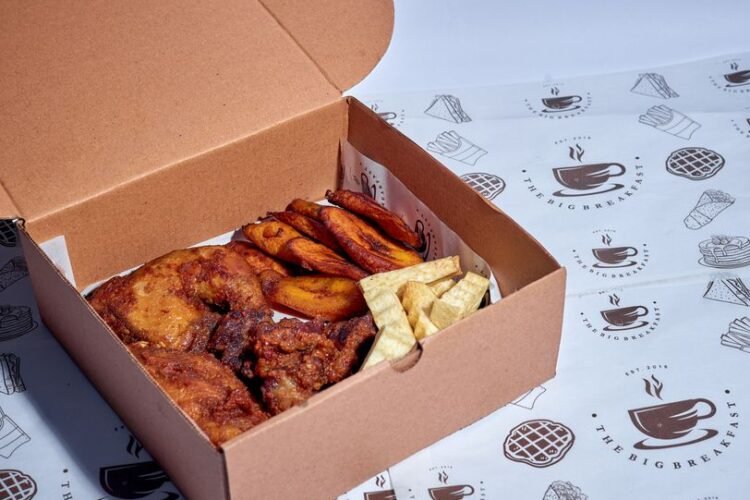
A beloved Nigerian street snack made from overripe yellow plantains sliced diagonally and fried slowly in oil until the edges turn deep mahogany and the slices develop a hard, crisp shell with a sweet, almost toffee-like center. Unlike the soft fried plantain that is cooked quickly to stay tender, the hard version is fried patiently over lower heat to drive off moisture and concentrate the natural sugars into a chewy, caramelized bite. Best eaten hot from the oil, often paired with cold drinks or a handful of roasted groundnuts.
Prep Time10 mins
Cook Time20 mins
Total Time30 mins
Servings4
Yield4 servings
Nutrition Facts
Per serving (estimated)
- 285 kcalCalories
- 14 gFat
- 6 gSaturated Fat
- 40 gCarbs
- 3 gFiber
- 22 gSugar
- 1.5 gProtein
- 55 mgSodium
- 370 mgPotassium
- 4 mgCalcium
- 0.6 mgIron
- 17 mgVitamin C
- 65 mcgVitamin A
Ingredients
For the Hard-Fried Plantain
- 3 large overripe yellow plantains (skin mostly black-spotted, flesh soft and fragrant)
- 3 cups palm oil or vegetable oil, for deep frying (about 1 inch depth in the pot)
- 1/2 teaspoon fine sea salt
- 1/4 teaspoon cayenne pepper or ground dried ata (optional, for a savory kick)
Directions
- Cut off both ends of each plantain. Score the skin lengthwise with a sharp knife and peel it away to reveal the soft yellow flesh, removing any dark soft spots from the surface.
- Slice the plantains diagonally into roughly 1/4-inch (6 mm) thick rounds. Thinner slices crisp faster and lean cracker-like; slightly thicker rounds stay a touch chewy in the middle.
- Pour the oil into a heavy pot or deep cast-iron skillet to a depth of about 1 inch. Heat over medium heat to about 300°F (150°C) — lower than typical deep-frying temperature is essential for the hard texture.
- Pat the plantain slices dry with paper towels, then add them to the hot oil in a single layer without crowding. Fry in 2 to 3 batches, holding the slices apart so they do not stick together.
- Fry the plantains gently, turning every couple of minutes with a slotted spoon, for 8 to 12 minutes per batch. They will gradually darken from yellow to amber to a deep mahogany brown.
- The slices are ready when they look very dark (almost burnt-looking), feel firm and crisp at the edges, and the oil has stopped sizzling vigorously. Do not be alarmed by the dark color — this deep caramelization is the desired result.
- Lift the finished slices out with a slotted spoon and drain on a plate lined with paper towels. Sprinkle immediately with the fine sea salt and optional cayenne while still glistening with oil so the seasoning sticks.
- Repeat with the remaining batches, letting the oil return to 300°F between additions. Serve hot and crisp, ideally within the hour, while the shell is still glassy and snappy.
Cook’s Notes
- Truly overripe plantains — skin at least 50% black with a soft, fragrant flesh — are non-negotiable; underripe fruit stays starchy and will not caramelize properly into the hard texture.
- Resist the urge to crank the heat. Slow frying at around 300°F is what gives hard dodo its signature crisp shell and dense, chewy interior; rushing it yields soggy, oily slices.
- Palm oil is traditional and gives an authentic reddish-brown color and earthy flavor, but refined vegetable or sunflower oil also works for a cleaner, lighter taste.
- Hard dodo loses its snap quickly once cooled, so eat it within a few hours of frying — unlike the soft version which holds up better at room temperature.
- For a classic Nigerian pairing, serve alongside a chilled malt drink, fresh coconut water, or a small bowl of roasted unsalted groundnuts to balance the sweetness.