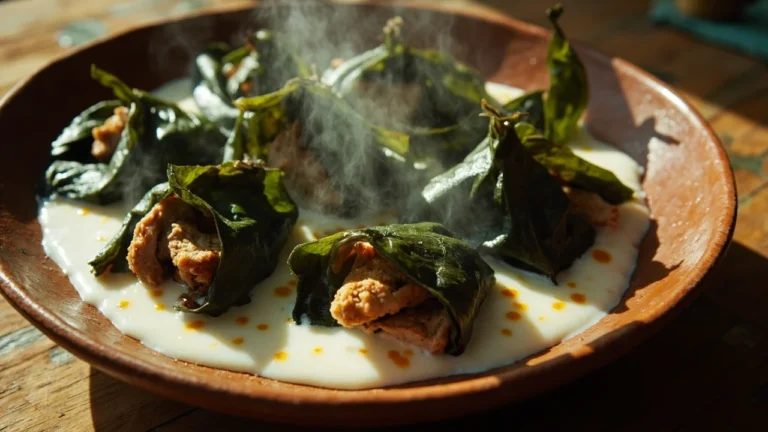
This traditional Tongan stew brings together tender lamb, earthy taro leaves, and rich coconut cream in a slow-simmered island classic. The taro leaves melt into a silky green sauce, creating a beloved Sunday meal across the Kingdom of Tonga. Served communally, it is the heart of Tongan family dining.
Prep Time20 mins
Cook Time90 mins
Total Time110 mins
Servings4
Yield4 servings
Nutrition Facts
Per serving (estimated)
- 720 kcalCalories
- 52 gFat
- 28 gSaturated Fat
- 14 gCarbs
- 4 gFiber
- 5 gSugar
- 48 gProtein
- 640 mgSodium
- 1050 mgPotassium
- 110 mgCalcium
- 6 mgIron
- 22 mgVitamin C
- 380 mcgVitamin A
Ingredients
For the lamb and base
- 2 lbs lamb shoulder, bone-in, cut into 2-inch pieces
- 1 large yellow onion, finely chopped
- 4 cloves garlic, minced
- 1 inch fresh ginger, grated
- 2 tbsp vegetable oil
- 1 tsp sea salt, plus more to taste
- 1/2 tsp freshly ground black pepper
For the stew
- 8 cups young taro leaves, stems removed and leaves roughly chopped
- 2 cups thick coconut cream
- 1 cup water
- 1 small tomato, diced
- 1 small onion, sliced into thin rings for garnish
Directions
- Pat the lamb pieces dry with paper towels and season generously with salt and pepper on all sides.
- Heat the oil in a heavy-bottomed pot or Dutch oven over medium-high heat. Brown the lamb in batches for 3-4 minutes per side until deep golden, then transfer to a plate and set aside.
- Reduce heat to medium and add the chopped onion to the same pot. Cook for 4-5 minutes until softened and lightly golden, scraping up the browned bits from the bottom of the pot.
- Stir in the garlic and ginger and cook for 1 minute until fragrant, taking care not to let them burn.
- Return the lamb to the pot along with the diced tomato, coconut cream, and water. Bring to a gentle boil, then reduce the heat to low, cover, and simmer for 1 hour, or until the lamb is fork-tender.
- Add the chopped taro leaves to the pot, pressing them down into the liquid. They will look voluminous at first but will wilt significantly as they cook.
- Cover and continue to simmer for 20-25 minutes, until the leaves are completely tender and the stew has thickened to a rich, creamy consistency.
- Taste and adjust the seasoning with additional salt if needed. The taro leaves should have a silky, almost spinach-like texture when done.
- Ladle the stew into deep bowls and top each serving with a few raw onion rings for crunch and sharp contrast. Serve hot with boiled cassava, taro, or steamed rice.
Cook’s Notes
- Always use young, tender taro leaves; mature leaves are too fibrous and contain higher levels of irritating calcium oxalate crystals.
- Taro leaves must always be cooked thoroughly and should never be eaten raw, as they contain calcium oxalate that can cause mouth and throat irritation.
- For the most authentic flavor, use fresh-pressed coconut cream rather than canned; the rich, slightly sweet flavor is essential to the dish.
- If using a tougher cut of lamb such as leg, extend the initial simmer time to 1.5-2 hours before adding the taro leaves so the meat becomes properly tender.
- Traditionally served family-style from a single large bowl and eaten with boiled root vegetables such as yam, taro, or cassava.
More Tonga Recipes You’ll Love
Craving more flavors from Tonga? Try these traditional recipes:
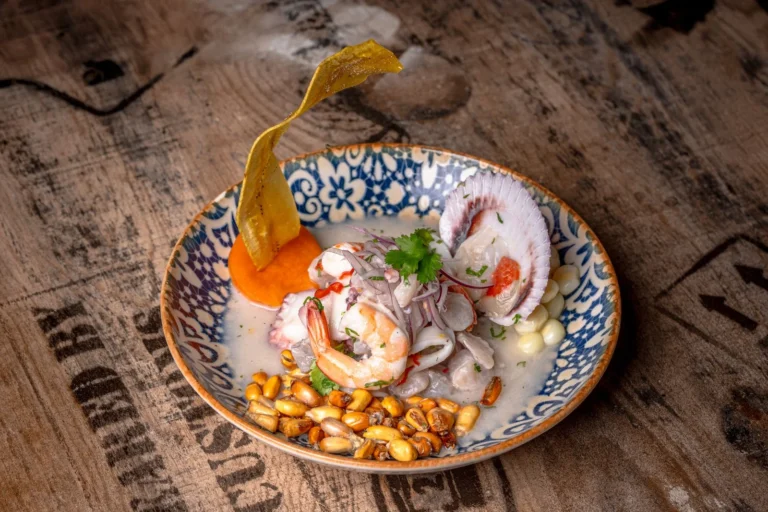
- Tongan Raw Fish Salad with Lime and Coconut
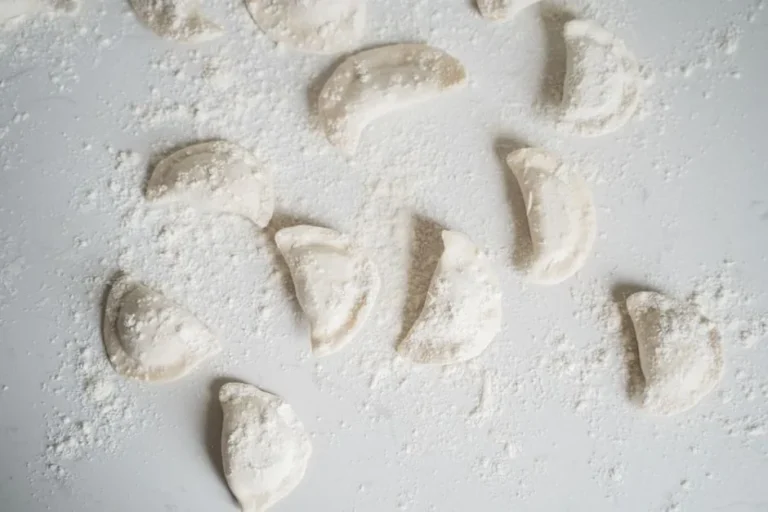
- Tongan Sweet Coconut Boiled Dumplings
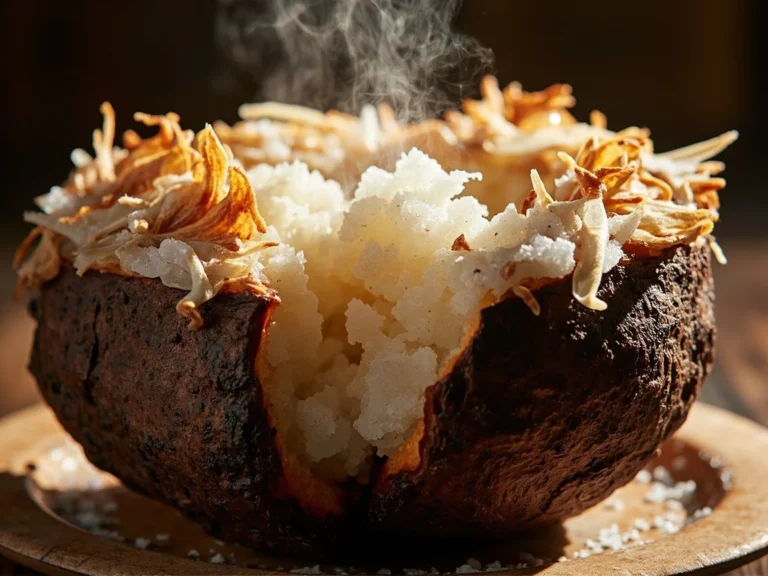
- Tongan Coconut-Baked Whole Yam with Sea Salt