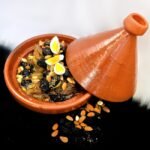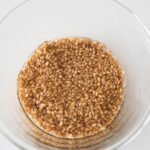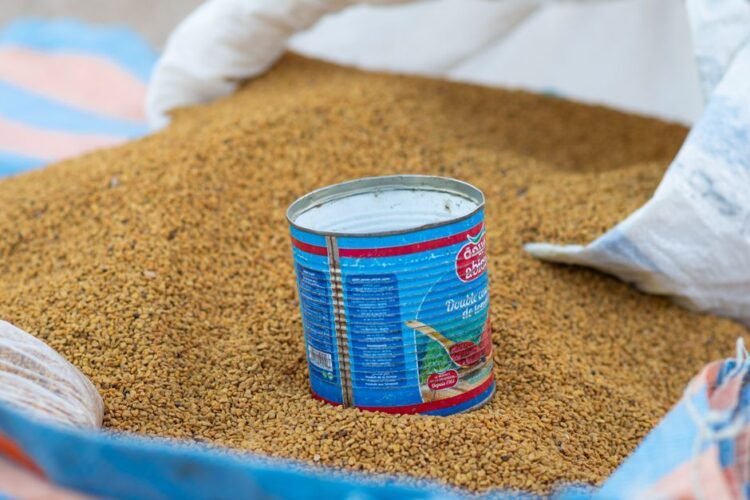
Fenugreek seeds are small, amber-colored seeds from the fenugreek plant, used extensively in Indian, Middle Eastern, and Mediterranean cuisines as both a spice and a flavoring agent, prized for their distinctive maple-sweet and slightly bitter taste.
History & Origins
Fenugreek has been cultivated since ancient times, with archaeological evidence from 4000-year-old sites in Mesopotamia indicating its early use. It was highly valued in ancient Egypt, where the seeds were used both as food and in ceremonial practices, and mentioned in the Ebers Papyrus for medicinal applications. The Greeks and Romans also used fenugreek, with Hippocrates documenting its therapeutic properties. Trade routes spread fenugreek throughout Asia and the Mediterranean, where it became embedded in regional culinary traditions from Indian curry powders to Ethiopian wot stews.
Nutrition Facts
Per 100 g, edible portion (estimated)
- 323 kcalCalories
- 8.8 gWater
- 23 gProtein
- 6 gFat
- 1.5 gSaturated Fat
- 48 gCarbs
- 25 gFiber
- 0 gSugars
- 770 mgPotassium
- 176 mgCalcium
- 33.5 mgIron
- 191 mgMagnesium
- 0 mgVitamin C
- 0 mcgVitamin A
- 0 mcgVitamin K
- 57 mcgFolate
Culinary Uses
- Ground into powder for Indian curry and spice blends like garam masala
- Sprouted and added raw to salads and sandwiches for crunchy texture
- Toasted and crushed as a tempering spice for dal and vegetable dishes
- Used whole in pickles and preserves in Mediterranean cuisines
- Roasted and brewed as a caffeine-free herbal tea
Known Benefits
- Contains diosgenin, a compound shown to support hormonal balance in studies
- High soluble fiber content aids digestion and promotes satiety
- Traditional use for supporting healthy blood sugar metabolism
- Rich in iron, making it beneficial for individuals with iron-deficiency
- Contains compounds with anti-inflammatory properties
Hidden Benefits
- May support healthy milk production in breastfeeding women when consumed as tea
- Saponins in fenugreek may contribute to cholesterol management
- Contains choline which supports brain function and liver health
- The seed coat contains mucilage that may support gut lining health
- Polyphenols provide antioxidant activity that protects cells from oxidative stress
Cautions & Considerations
- May cause allergic reactions in individuals sensitive to legumes
- Consumption during pregnancy may stimulate uterine contractions
- Can cause gastrointestinal discomfort when consumed in large quantities
- May interact with blood sugar medications and anticoagulants
- Strong odor may transfer to breast milk when consumed by nursing mothers