Duck is the meat from domesticated or wild waterfowl of the Anatidae family, prized for its rich, flavorful dark meat and crispy skin when properly prepared.
History & Origins
Domestication of ducks began over 4,000 years ago in Southeast Asia, with the mallard (Anas platyrhynchos) as the primary wild ancestor. Chinese civilizations were among the first to develop large-scale duck farming, with evidence of pond-based duck raising documented during the Zhou Dynasty (1046–256 BCE). The breed known as the Pekin duck was developed in China around the 13th century and later brought to Europe and North America, becoming the most widely farmed duck breed globally. Duck remained a luxury protein in medieval Europe, reserved for nobility, while in Asia it became a dietary staple incorporated into countless regional cuisines.
Nutrition Facts
Per 100 g, edible portion (estimated)
- 180 kcalCalories
- 68 gWater
- 24 gProtein
- 9 gFat
- 2.9 gSaturated Fat
- 0 gCarbs
- 0 gFiber
- 0 gSugars
- 260 mgPotassium
- 11 mgCalcium
- 2.7 mgIron
- 19 mgMagnesium
- 0 mgVitamin C
- 24 mcgVitamin A
- 0 mcgVitamin K
- 26 mcgFolate
Culinary Uses
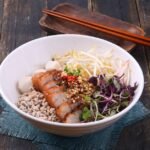
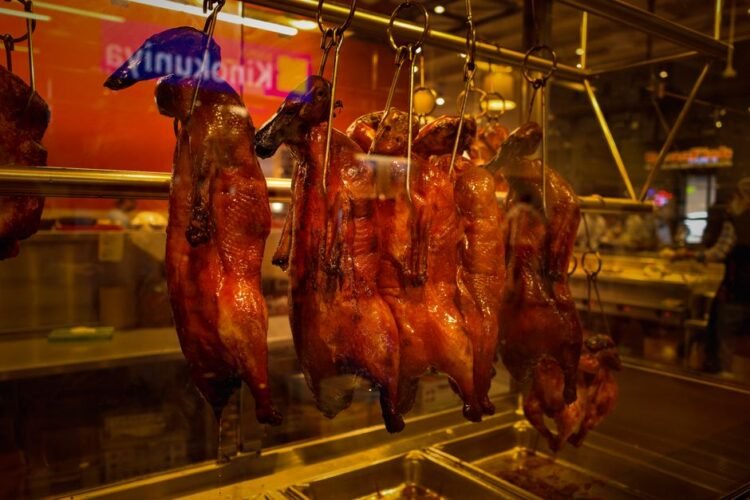
- Roasted whole with crispy skin (Peking duck, Peking roast duck)
- Confit de canard (duck leg preserved in its own fat)
- Duck breast sliced and pan-seared to serve pink
- Duck rillettes spread as a pâté
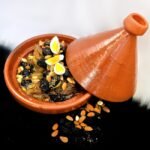
- Added to soups and stews such as duck soup and Cantonese lotus leaf rice
- Smoked duck breast in salads and charcuterie boards
- Duck liver used in French foie gras preparations
Known Benefits
- High-quality complete protein source with essential amino acids
- Rich in iron (heme iron), which is highly bioavailable for hemoglobin production
- Excellent source of selenium supporting thyroid function and antioxidant defense
- Provides B vitamins including B12, B6, and niacin for energy metabolism and neurological health
- Contains phosphorus necessary for bone structure and cellular energy (ATP)
Hidden Benefits
- Duck fat is rich in oleic acid (a heart-healthy monounsaturated fat), composing over 50% of its lipid profile
- Provides conjugated linoleic acid (CLA) which has studied anti-inflammatory and body composition effects
- Contains taurine at levels comparable to shellfish, supporting cardiovascular and eye health
- Duck liver (foie gras) is one of the most concentrated food sources of choline for brain and liver function
Cautions & Considerations
- High cholesterol content (approximately 90 mg per 100g) requires moderation for individuals with hypercholesterolemia
- Undercooked duck may harbor Salmonella or Campylobacter bacteria; internal temperature must reach 74°C (165°F)
- Duck fat, while having a favorable fatty acid profile, remains high in calories and saturated fat; portion control advised
- Individuals with poultry allergies should avoid duck meat
- Duck giblets (organs) are very high in cholesterol and purines, requiring caution for gout sufferers