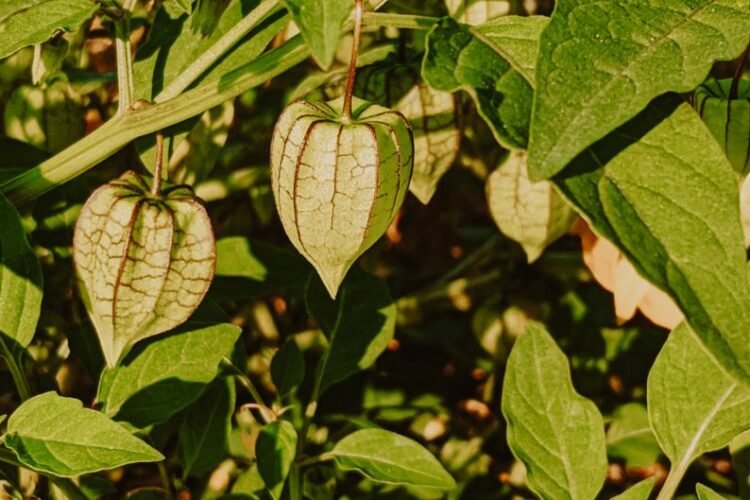
Cape gooseberry is a small, golden-orange fruit enclosed in a papery husk, prized for its sweet-tart flavor, vibrant color, and versatility in both fresh and processed culinary applications across several continents.
History & Origins
Cape gooseberry originated in the Andes highlands of South America, where it was cultivated by indigenous peoples long before European contact. It was introduced to South Africa in the early 19th century via Dutch East India Company trade routes, which is why English speakers adopted the misleading name 'Cape'; it became commercially significant in South Africa's Cape Province and earned the alternate name 'golden berry.' By the mid-20th century, cultivation spread to India, Australia, and parts of East Africa, where it is grown both for domestic markets and export, particularly to European gourmet food sectors. The fruit remains culturally important in Peru, where it grows wild at high altitudes and is incorporated into desserts, preserves, and traditional beverages.
Nutrition Facts
Per 100 g, edible portion (estimated)
- 53 kcalCalories
- 85.4 gWater
- 1.9 gProtein
- 0.7 gFat
- 0.1 gSaturated Fat
- 11.2 gCarbs
- 4.1 gFiber
- 9.5 gSugars
- 300 mgPotassium
- 9 mgCalcium
- 1 mgIron
- 13 mgMagnesium
- 11 mgVitamin C
- 36 mcgVitamin A
- 7.8 mcgVitamin K
- 24 mcgFolate
Culinary Uses
- Eaten fresh out of hand as a snacking fruit, often served with a sprinkle of sugar
- Made into jams, preserves, chutneys, and fruit sauces
- Used as a decorative garnish in pastries, tarts, and confectionery
- Incorporated into salads, smoothies, and tropical fruit platters
- Dried and sold as a shelf-stable snack, similar to raisins
- Used in savory dishes such as curries and tagines in South African and Indian cuisine
Known Benefits
- Rich in provitamin A carotenoids that support eye health and immune function
- Contains notable levels of potassium, supporting cardiovascular health and blood pressure regulation
- Good source of dietary fiber, promoting digestive health and satiety
- High in vitamin C, contributing to collagen synthesis and antioxidant protection
Hidden Benefits
- Withanolides—steroidal lactones found in Physalis species—have demonstrated anti-inflammatory and anticancer properties in laboratory studies
- The husk (calyx) contains flavonoids and phenolics that exhibit antimicrobial activity
- Contains pectin-type fibers in the fruit wall suitable for natural gelling in preserves
- The fruit's polyphenols may inhibit advanced glycation end-products, potentially relevant to diabetic complications
Cautions & Considerations
- Unripe green fruit may contain solanine and other glycoalkaloids that can cause gastrointestinal upset if consumed in quantity
- The papery husk is not toxic but is typically removed before eating and should be discarded if soiled
- Individuals with nightshade (Solanaceae) sensitivities may react to cape gooseberry
- The fruit's natural oxalic acid content may be a concern for those with recurrent kidney stones