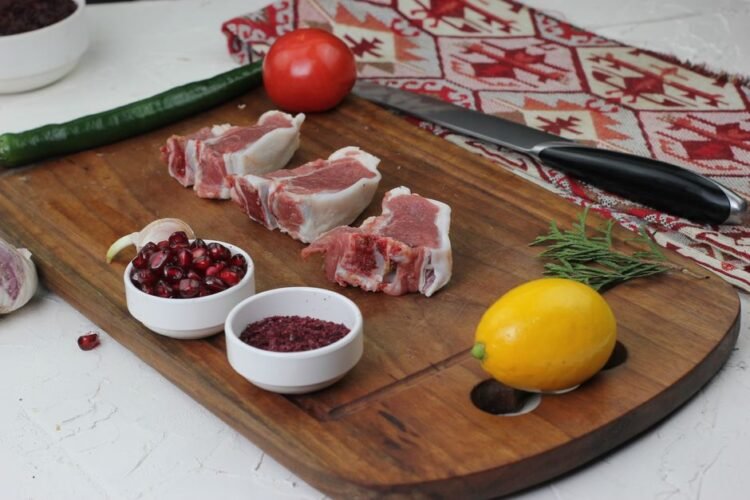
Goat meat, known as chevon, is a lean red meat consumed by two-thirds of the world's population, prized for its mild flavor and lower fat content compared to other red meats.
History & Origins
Goats were among the first livestock animals to be domesticated around 10,000 years ago in the Fertile Crescent region of Central Asia. Throughout history, goat meat became a dietary staple across the Middle East, South Asia, Africa, and the Mediterranean, valued for its adaptability to varied climates and terrain. During medieval times, goat meat was particularly important in Europe as a food source for peasants and travelers. The meat gained prominence in the Caribbean and Latin America through colonial trade routes, where it became integral to dishes like Jamaican goat curry. Today, global goat meat production exceeds 5 million tonnes annually, with the highest consumption in Asia and Africa.
Nutrition Facts
Per 100 g, edible portion (estimated)
- 143 kcalCalories
- 66 gWater
- 27 gProtein
- 3 gFat
- 1.1 gSaturated Fat
- 0 gCarbs
- 0 gFiber
- 0 gSugars
- 385 mgPotassium
- 13 mgCalcium
- 2.6 mgIron
- 27 mgMagnesium
- 0 mgVitamin C
- 0 mcgVitamin A
- 4 mcgVitamin K
- 8 mcgFolate
Culinary Uses
- Braised or stewed in Caribbean goat curry with Scotch bonnet peppers and thyme
- Ground into kebabs and grilled over charcoal in the Middle East
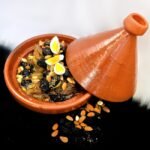
- >Slow-cooked in tagines with apricots and almonds in North African cuisine
- Curried with aromatics in South Asian biryanis and vindaloo dishes
- Roasted whole on spits during festive celebrations in West Africa
Known Benefits
- High-quality lean protein source with complete amino acid profile
- Lower in saturated fat and cholesterol than beef or lamb
- Rich in iron and zinc supporting immune function and oxygen transport
- Excellent source of vitamin B12 and niacin for metabolic health
Hidden Benefits
- Contains conjugated linoleic acid (CLA) with potential anti-inflammatory properties
- Higher in medium-chain fatty acids that may support fat metabolism
- Provides selenium and phosphorus for thyroid function and bone health
- Contains taurine beneficial for cardiovascular and neurological function
Cautions & Considerations
- Should be cooked thoroughly to safe internal temperature of 145°F (63°C)
- Higher purine content may concern individuals with gout or kidney issues
- May trigger allergic reactions in individuals sensitive to red meat proteins
- Young children and pregnant women should ensure proper cooking to avoid foodborne illness