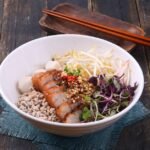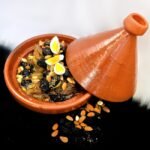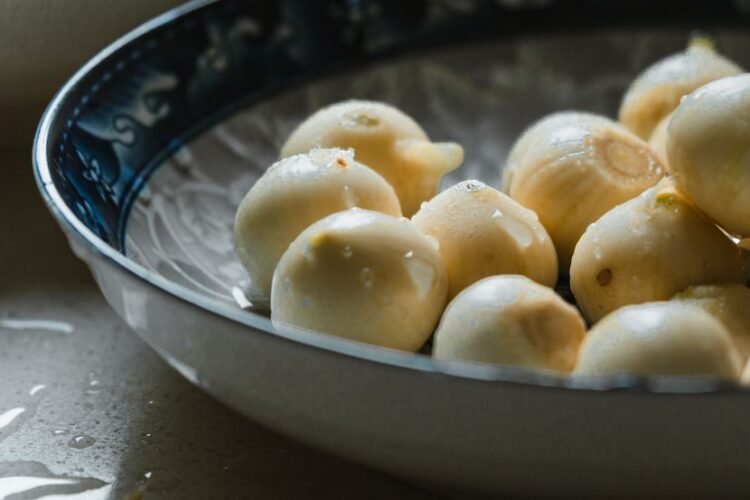
Water chestnut is the edible tuber of an aquatic vegetable grown in wetlands and paddies, prized for its crisp white flesh that remains crunchy even after cooking, providing a unique texture in Asian and global cuisines.
History & Origins
Water chestnuts have been cultivated in China for over 2,000 years, with archaeological evidence dating their consumption to ancient dynasties along the Yangtze River basin. They spread throughout Southeast Asia, Japan, and India via ancient trade routes, becoming integral to regional cuisines. The plant was introduced to North America in the early 20th century and has since naturalized in some wetland areas. Commercial cultivation now extends to Australia, Hawaii, and tropical regions worldwide, with China remaining the largest producer. The canned form became popular in Western countries during the mid-20th century as Asian cuisines gained global popularity.
Nutrition Facts
Per 100 g, edible portion (estimated)
- 60 kcalCalories
- 83 gWater
- 0.8 gProtein
- 0.4 gFat
- 0.1 gSaturated Fat
- 15 gCarbs
- 1.6 gFiber
- 14 gSugars
- 168 mgPotassium
- 11 mgCalcium
- 0.2 mgIron
- 10 mgMagnesium
- 36 mgVitamin C
- 54 mcgVitamin A
- 4 mcgVitamin K
- 43 mcgFolate
Culinary Uses
- Sliced raw in Asian salads and spring rolls for crunch
- Stir-fried with vegetables, meat, and savory sauces
- Battered and deep-fried as an appetizer or dim sum item
- Ground into flour for baking and as a gluten-free thickener
- Pureed into soups and used in dumplings and cheung fun
Known Benefits
- Excellent source of dietary fiber supporting digestive health
- Contains potassium for healthy blood pressure regulation
- Provides vitamin C supporting immune function
- Low in calories and fat, suitable for weight management
- Gluten-free carbohydrate option for those with celiac disease
Hidden Benefits
- Contains antioxidant compounds including flavonoids and phenolics
- Good source of B vitamins supporting energy metabolism
- Contains minerals like copper and manganese for enzyme function
- Has been used in traditional medicine for fever reduction
- May have prebiotic properties supporting beneficial gut bacteria
Cautions & Considerations
- Fresh raw water chestnuts may harbor parasites if from contaminated water; peel and cook thoroughly
- People with diabetes should monitor portions due to carbohydrate content
- Canned varieties may contain added sodium; rinse before use if watching sodium intake
- Those with aquatic plant allergies should exercise caution
- Oxalates present in small amounts may affect individuals prone to kidney stones