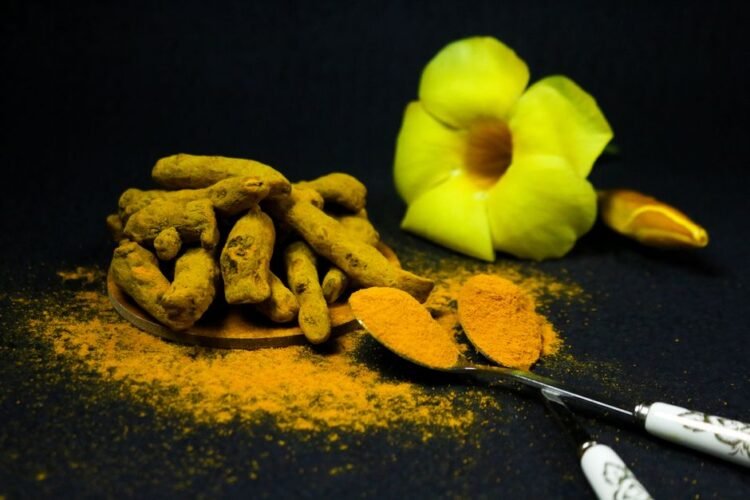
Turmeric is a bright yellow-orange spice derived from the rhizomes of the Curcuma longa plant, widely used in culinary traditions, particularly in South Asian and Middle Eastern cuisines, and treasured for its earthy, slightly bitter flavor and vibrant color.
History & Origins
Turmeric has been cultivated in Southeast Asia for over 5,000 years, with evidence of its use appearing in ancient Sanskrit texts and Ayurvedic manuscripts dating to 250 BCE. It was historically considered sacred in Hindu traditions and used in religious ceremonies, wedding rituals, and as an offering. The spice spread along ancient trade routes to the Middle East, East Africa, and eventually Europe, where it became valued both as a culinary ingredient and a dye. During medieval Europe, turmeric was sometimes substituted for saffron, earning it the nickname 'Indian saffron'.
Nutrition Facts
Per 100 g, edible portion (estimated)
- 312 kcalCalories
- 8.6 gWater
- 9.7 gProtein
- 3.3 gFat
- 1.8 gSaturated Fat
- 67 gCarbs
- 22.7 gFiber
- 3.2 gSugars
- 2080 mgPotassium
- 168 mgCalcium
- 41 mgIron
- 193 mgMagnesium
- 0.7 mgVitamin C
- 0 mcgVitamin A
- 13.4 mcgVitamin K
- 39 mcgFolate
Culinary Uses
- Essential in curry powders and masala blends across India, Pakistan, and Bangladesh
- Used to season lentil dishes, vegetable curries, and meat marinades
- Added to rice dishes, soups, and stews for color and flavor
- Incorporated into beverages such as golden milk, chai, and wellness tonics
- Employed as a natural food coloring agent in mustard, pickles, and butter
- Used in Indonesian, Thai, and Persian cooking for soups like tom yum and rice pilafs
Known Benefits
- Contains curcumin, a potent anti-inflammatory and antioxidant compound
- Supports digestive health and has been used in traditional medicine to treat digestive disorders
- May help reduce joint pain and stiffness associated with osteoarthritis
- Demonstrates antimicrobial properties against certain bacteria and fungi
- Supports immune function through its immunomodulatory effects
Hidden Benefits
- Curcumin may enhance brain-derived neurotrophic factor (BDNF), potentially supporting cognitive function
- May improve endothelial function and help regulate blood pressure
- Contains compounds that may support healthy lipid profiles
- Demonstrates potential neuroprotective properties in preliminary research
- May support healthy skin when used both internally and topically
Cautions & Considerations
- May interact with blood-thinning medications such as warfarin and aspirin
- High doses may cause gastrointestinal discomfort or acid reflux in sensitive individuals
- Should be avoided before surgery due to potential effects on bleeding
- May lower blood sugar levels, requiring monitoring when combined with diabetes medications
- Contraindicated for individuals with gallstone obstruction or bile duct issues