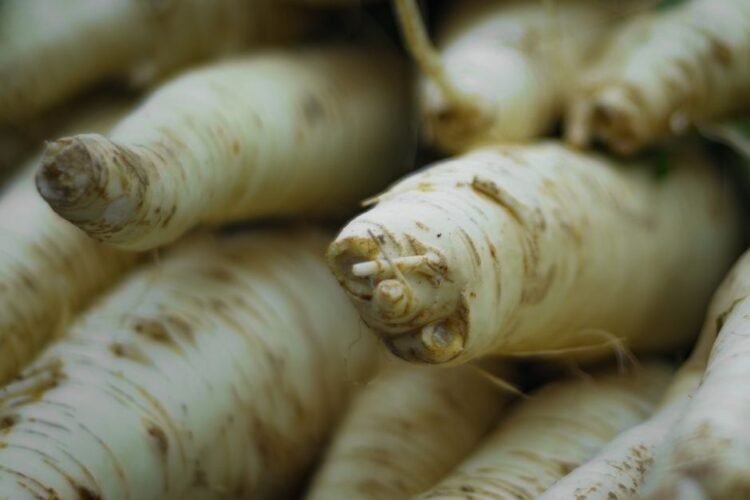
A pale cream to ivory, carrot-shaped taproot of the Apiaceae family, prized for its sweet, nutty, slightly earthy flavor that intensifies after exposure to frost. It is a close relative of carrots, parsley, and celery, and a foundational root vegetable of Northern European winter cookery.
History & Origins
The parsnip has been gathered and cultivated since classical antiquity; the Romans spread its cultivation across Europe, where it became a dietary staple through the Middle Ages. Before the advent of sugar beets and imported cane sugar, parsnips were the principal source of sweetness in British and Northern European cooking, and they remained a principal ingredient in cakes, preserves, and pottages well into the nineteenth century.
Nutrition Facts
Per 100 g, edible portion (estimated)
- 75 kcalCalories
- 1.2 gProtein
- 0.3 gFat
- 18.0 gCarbs
- 4.9 gFiber
- 4.8 gSugars
- 375 mgPotassium
- 17 mgVitamin C
- 22.5 mcgVitamin K
- 67 mcgFolate
Culinary Uses
- Roasted whole or in chunks with olive oil, thyme, and honey as a winter side dish
- Mashed with butter and cream, often combined with potatoes
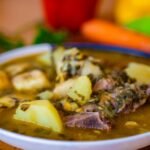
- Added to hearty soups, stews, and beef or lamb pot pies
- Pureed into soups such as classic British parsnip and apple soup
- Baked into traditional cakes, breads, and the British parnip wine
Known Benefits
- High in dietary fiber, supporting digestion and satiety
- Good source of vitamin C, folate, and vitamin K
- Provides manganese and potassium for cardiovascular health
- Contains polyacetylenes with documented anti-inflammatory activity
Hidden Benefits
- Falcarinol, a natural polyacetylene, has shown anti-cancer potential in laboratory studies
- Frost converts starches into sugars via enzymatic action, increasing sweetness and lowering glycemic impact
- Prebiotic fiber fractions support beneficial colonic bacteria
- Root pigments contain phenolic compounds with antioxidant activity
Cautions & Considerations
- Foliage and stem sap contain furanocoumarins that can cause phytophotodermatitis on sun-exposed skin
- Contains oxalates; individuals prone to kidney stones should moderate intake
- Coumarin content may interact with anticoagulant medications such as warfarin
- Should be peeled, as surface soil can harbor Listeria and other pathogens