 (No Ratings Yet)
 Loading...
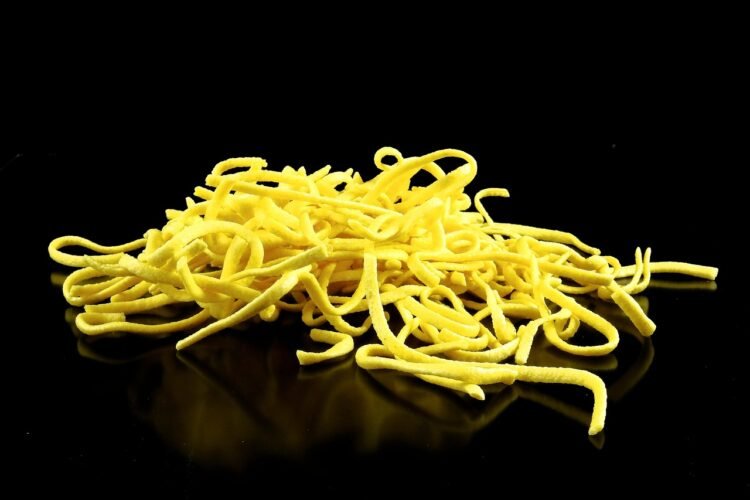
Spaetzle are tender, golden German egg noodles made from a simple batter pressed through holes into simmering water. This comforting Swabian classic puffs up into little irregular dumplings that are tossed in brown butter for a rich, nutty finish. Serve them as a hearty side to schnitzel, roasts, or sauerbraten.
Prep Time15 mins
Cook Time15 mins
Total Time30 mins
Servings4
Yield4 servings
Nutrition Facts
Per serving (estimated)
- 410 kcalCalories
- 18 gFat
- 9 gSaturated Fat
- 52 gCarbs
- 2 gFiber
- 3 gSugar
- 13 gProtein
- 640 mgSodium
- 185 mgPotassium
- 95 mgCalcium
- 4 mgIron
- 0 mgVitamin C
- 180 mcgVitamin A
Ingredients
For the spaetzle batter
- 2 cups (250 g) all-purpose flour
- 4 large eggs, room temperature
- 1/2 cup (120 ml) whole milk
- 1 tsp (6 g) fine sea salt
- 1/4 tsp ground white pepper
- 1/8 tsp freshly grated nutmeg
For finishing and serving
- 3 tbsp (45 g) unsalted butter
- 1 tbsp chopped fresh parsley
- 2 tbsp toasted breadcrumbs (optional)
- Flaky salt, to taste
Directions
- Whisk the eggs in a large mixing bowl until smooth, then beat in the milk, salt, white pepper, and nutmeg. Gradually add the flour and stir with a wooden spoon until a thick, smooth, slightly elastic batter forms; it should slowly drop from the spoon in thick ribbons and be thicker than pancake batter.
- Cover the bowl with a kitchen towel and let the batter rest for 20 minutes at room temperature so the gluten relaxes and the flour fully hydrates.
- Bring a wide pot of generously salted water to a gentle boil; reduce the heat so the surface barely shimmers. Set a colander or spaetzle maker with large holes over the pot.
- Spoon about a third of the batter into the colander and press it through the holes with a rubber spatula or the back of a spoon, letting the little strands and drips fall directly into the simmering water.
- Cook the spaetzle for 2 to 3 minutes, until they puff up and float to the surface, then lift them out with a slotted spoon or skimmer and transfer to a warm bowl. Repeat with the remaining batter in two more batches.
- While the spaetzle finish cooking, melt the butter in a large skillet over medium heat and let it cook until the milk solids turn golden brown and smell nutty, about 3 minutes.
- Add the drained spaetzle to the browned butter and gently toss to coat and lightly crisp the edges, about 2 minutes. Sprinkle with parsley, toasted breadcrumbs if using, and a pinch of flaky salt before serving.
- Serve immediately as a side to braised meats, schnitzel, mushroom gravy, or alongside a crisp green salad for a lighter meal.
Cook’s Notes
- The batter consistency is key: it should be thick enough to slowly drip from a spoon, not pour like pancake batter; add a tablespoon of milk if it feels too stiff.
- If you do not own a spaetzle maker, a perforated serving spoon or colander with 1/4-inch holes works beautifully.
- For cheese spaetzle (Käsespätzle), layer the cooked, buttered spaetzle in a baking dish with shredded Emmental and Gruyère and bake at 375°F for 15 minutes until bubbling.
- Spaetzle can be spread on a sheet pan to cool, then pan-fried in butter the next day for crispy leftover spätzle.
- Use very fresh eggs for the richest color and best rise; older eggs can make the batter slightly runnier.