 (No Ratings Yet)
 Loading...
Curtido is El Salvador's signature tangy fermented cabbage slaw, traditionally heaped on top of hot pupusas. A simple mix of cabbage, carrots, onion, and oregano is salted and left to lacto-ferment for several days, developing a bright, bubbly sourness. It keeps for months in the fridge and gets better with age.
Prep Time20 mins
Cook Time0 mins
Total Time20 mins
Servings8
Yieldabout 6 cups (8 side servings)
Nutrition Facts
Per serving (estimated)
- 45 kcalCalories
- 0.3 gFat
- 0 gSaturated Fat
- 10 gCarbs
- 3.5 gFiber
- 5 gSugar
- 2 gProtein
- 880 mgSodium
- 320 mgPotassium
- 65 mgCalcium
- 1.2 mgIron
- 45 mgVitamin C
- 230 mcgVitamin A
Ingredients
For the Vegetables
- 1 medium green cabbage (about 2 lbs), cored and finely shredded
- 2 large carrots, peeled and grated on the large holes of a box grater
- 1 medium white onion, halved and thinly sliced
- 1 small jalapeño, seeded and finely minced (optional, for mild heat)
- 2 tsp dried Mexican oregano
- 1 tsp ground cumin
For the Brine
- 1 tbsp + 1 tsp kosher or fine sea salt (about 20 g)
- 2 cups filtered, non-chlorinated water, lukewarm
- 2 tbsp apple cider vinegar (or 2 tbsp unpasteurized whey for a faster ferment)
Directions
- Combine the shredded cabbage, grated carrots, sliced onion, jalapeño, oregano, and cumin in a large non-reactive bowl and toss until evenly mixed.
- Sprinkle the salt over the vegetables and massage firmly with clean hands for 4-5 minutes, squeezing and turning the mixture, until the cabbage softens and releases a generous amount of liquid.
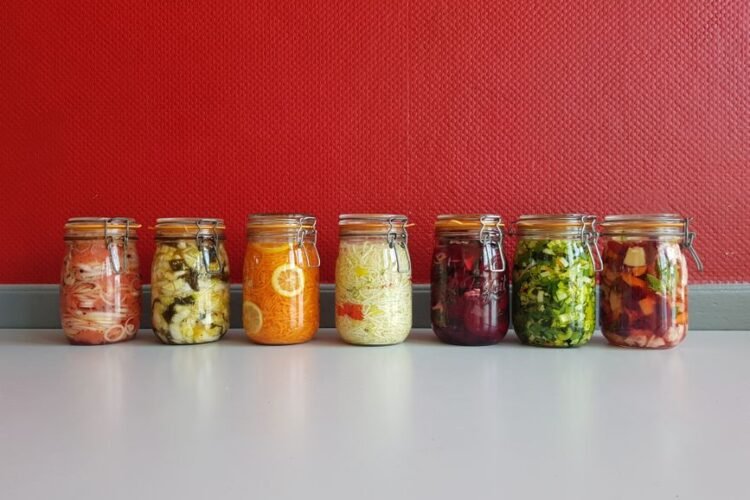
- Pack the salted vegetables very tightly into a 1.5- to 2-quart wide-mouth glass jar (or divide between two pint jars), pressing down firmly after each handful so the released juices rise to cover the vegetables.
- Stir the additional teaspoon of salt into the lukewarm filtered water until dissolved, then mix in the apple cider vinegar. Pour this brine over the packed vegetables until everything is submerged, leaving about 1 inch of headspace at the top of the jar.
- Weigh the vegetables down with a fermentation weight, a small clean zip-sealed bag filled with brine, or a folded cabbage leaf tucked against the surface. Seal the jar with a tight lid if using a weight, or cover loosely with cheesecloth secured by a rubber band to let gases escape.
- Let the jar sit at cool room temperature (65-72°F / 18-22°C) out of direct sunlight for 3 to 5 days. Check daily, pressing any floating vegetables back under the brine and briefly loosening the lid to release built-up pressure.
- Begin tasting on day 3. The curtido is ready when it is pleasantly tangy, slightly effervescent, and the cabbage has softened but still has a bit of crunch. Ferment up to 7 days for a stronger, more sour flavor.
- Once fermented to your taste, screw the lid on tightly and move the jar to the refrigerator, where it will continue to slowly develop and keep well for 2 to 3 months.
- Serve cold or at room temperature, spooned generously over warm pupusas, alongside grilled meats, tucked into tacos, or piled onto rice and beans.
Cook’s Notes
- Always use filtered, non-chlorinated water. Chlorine inhibits the beneficial Lactobacillus bacteria responsible for fermentation; if you only have tap water, boil it and let it cool completely before using.
- A cloudy brine, tiny bubbles, and a tangy aroma are all signs of a healthy ferment. If a white film (kahm yeast) appears on the surface, simply skim it off with a clean spoon — it is harmless but can dull the flavor.
- To speed up fermentation, add 2 tablespoons of unpasteurized whey or a few spoonfuls of brine from an active sauerkraut or kimchi to inoculate the vegetables with strong starter cultures.
- Mexican oregano (Lippia graveolens) has a brighter, more citrusy profile than Mediterranean oregano and is the traditional choice in Salvadoran cooking. Mediterranean oregano works in a pinch but will taste slightly different.
- If you prefer a softer, milder curtido, shred the cabbage more finely and ferment for the shorter end of the range; for a crunchier texture with a more assertive bite, keep the shreds coarse and ferment 5 to 7 days.