 (No Ratings Yet)
 Loading...
A traditional staple from Côte d'Ivoire, this smooth and stretchy cassava dough is made by boiling and pounding fresh cassava roots into a pliable ball. Mild and neutral on its own, it's designed to be scooped and dipped into rich, flavorful sauces like peanut sauce, palm nut stew, or grilled fish broth.
Prep Time20 mins
Cook Time35 mins
Total Time55 mins
Servings4
Yield4 dough balls
Nutrition Facts
Per serving (estimated)
- 380 kcalCalories
- 0.5 gFat
- 0 gSaturated Fat
- 92 gCarbs
- 5 gFiber
- 4 gSugar
- 3 gProtein
- 320 mgSodium
- 680 mgPotassium
- 45 mgCalcium
- 0.6 mgIron
- 55 mgVitamin C
- 1 mcgVitamin A
Ingredients
For the Cassava Dough
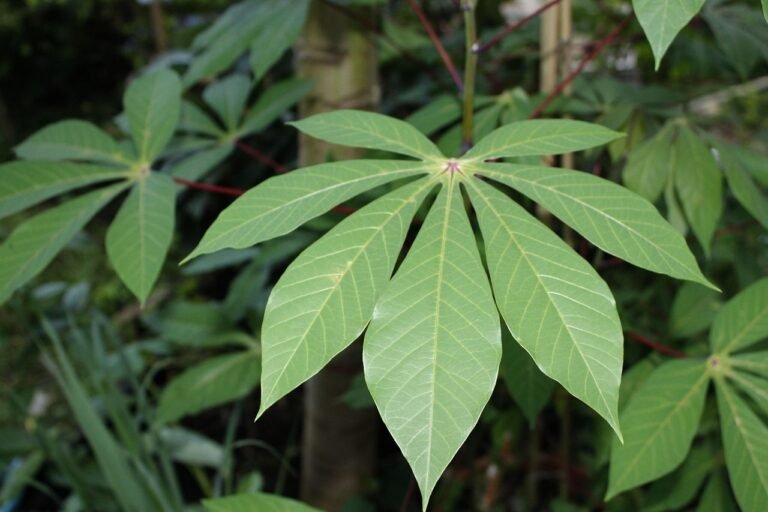
- 3 lbs fresh cassava roots (about 2 medium-large roots), peeled and cut into 1-inch chunks
- 1 teaspoon fine sea salt
- 6 cups water, for boiling, plus extra for soaking
- 1/4 cup warm reserved cooking water, as needed
Directions
- Peel the cassava roots with a sharp knife, removing both the brown skin and the tough pinkish inner layer, then cut into 1-inch chunks. Place the chunks in a large bowl and cover with cold water; soak for 45 minutes to leach out naturally occurring cyanogenic compounds, then drain and rinse thoroughly.
- Transfer the soaked cassava to a heavy pot, add the salt and 6 cups of fresh water, and bring to a boil over high heat. Reduce the heat to medium and simmer uncovered for 25 to 30 minutes, until the cassava is fork-tender and beginning to fall apart.
- Drain the cooked cassava, reserving 1/2 cup of the hot cooking water. Return the cassava to the warm pot and cover to keep hot while you pound.
- Working in batches, transfer the hot cassava to a large wooden mortar and pound vigorously with a pestle, adding a tablespoon of the reserved warm water at a time as needed to keep the dough pliable. Continue pounding for 3 to 5 minutes per batch until the texture is completely smooth, elastic, and free of lumps.
- Repeat with the remaining cassava until all of it has been pounded, then combine the batches back in the pot and knead briefly with a wooden spoon to bring everything together into one cohesive, stretchy dough.
- Wet your hands with cold water and shape the dough into 4 smooth balls or oblong logs, each about 6 to 8 ounces. Place on a plate and cover with a clean cloth to keep warm and moist.
- Serve immediately alongside your choice of sauce — traditional pairings include palm nut stew, groundnut sauce, or grilled fish in tomato-pepper broth. Tear off small pieces with the fingers and use them to scoop up the sauce.
Cook’s Notes
- Soaking the cassava before cooking is an essential food-safety step — it reduces naturally occurring cyanogenic glycosides, so don't skip it, especially with bitter varieties.
- Pound the cassava while it's still piping hot. Once it cools, it becomes stiff and rubbery and won't achieve the smooth, elastic texture that defines a proper Ivorian cassava dough.
- If you don't have a mortar and pestle, use a sturdy potato ricer or a stand mixer fitted with the paddle attachment while the cassava is still very hot.
- For a slightly richer variation, substitute one-quarter of the cassava with peeled green plantains, which yield a sweeter, denser dough that pairs especially well with smoked fish sauces.
- Cassava dough does not reheat well — it hardens and becomes gummy. Shape only what you'll eat that day and serve fresh.