 (No Ratings Yet)
 Loading...
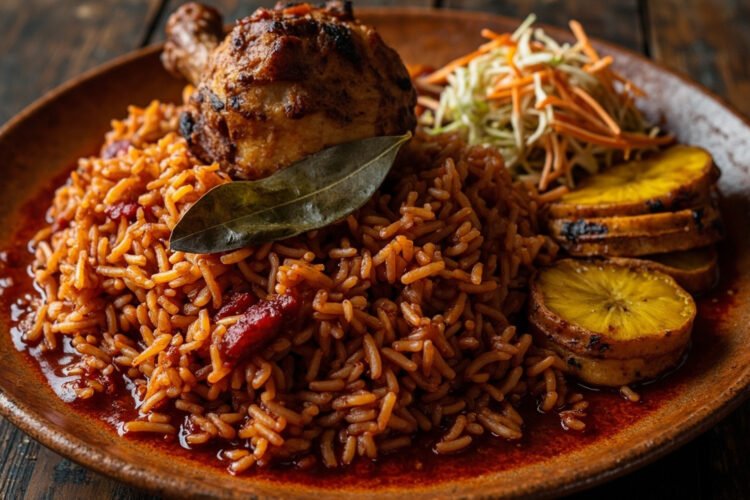
The undisputed king of West African rice dishes: long-grain parboiled rice simmered in a deeply reduced pepper-tomato base with thyme, curry, and bay leaf. The signature touch is a toasty, smoky crust on the bottom, known as the ‘party-style’ finish that sparks friendly rivalries across the continent.
Prep Time25 mins
Cook Time55 mins
Total Time80 mins
Servings6
Yield6 generous main-course servings
Nutrition Facts
Per serving (estimated) — 410 kcal · Fat 11 g · Carbs 71 g · Protein 8 g · Sodium 590 mg
Ingredients
For the pepper base
- 6 large ripe roma tomatoes (about 1.5 lbs), roughly chopped
- 2 large red bell peppers (tatashe), cored and roughly chopped
- 1–2 scotch bonnet peppers (ata rodo), stems removed (use 1 for mild, 2 for authentic heat)
- 1 medium yellow onion, quartered
- 1/4 cup water, for blending
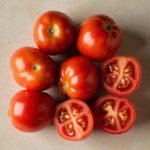 Roma tomatoes
 Red bell pepper
 Scotch bonnet
 Yellow onion
 Water
WaterFor the rice
- 3 cups long-grain parboiled rice (about 1.4 lbs), rinsed until water runs mostly clear
- 1/3 cup vegetable oil (or 3 tbsp palm oil for traditional color and flavor)
- 1 large yellow onion, finely chopped
- 4 garlic cloves, minced
- 1 tablespoon fresh ginger, grated
- 1/4 cup tomato paste
- 2 teaspoons dried thyme
- 1 tablespoon curry powder (hot or mild)
- 2–3 bay leaves
- 2 Maggi or Knorr bouillon cubes, crushed
- 1 teaspoon smoked paprika (optional, deepens color and adds smokiness)
- 1 to 1¼ teaspoons fine sea salt, plus more to taste
- 4½ cups warm low-sodium chicken or beef stock
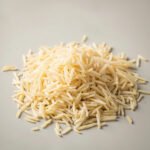 Parboiled rice
 Vegetable oilChopped yellow onion
 Garlic cloves
 Fresh ginger
 Tomato paste
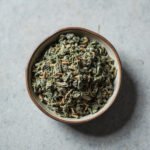 Dried thyme
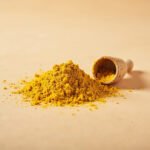 Curry powder
 Bay leaves
 Bouillon cubes
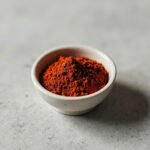 Smoked paprika
 Sea salt
 Chicken stock
To serve (optional, traditional)
- Fried ripe plantains (dodo)
- Grilled or fried chicken, beef, or fish
- Simple coleslaw or sliced tomatoes and onions
 Ripe plantains
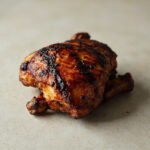 Grilled chicken
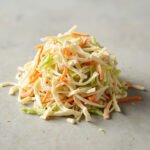 Coleslaw
Directions
- Make the pepper base: Add the chopped tomatoes, red bell peppers, scotch bonnet, quartered onion, and 1/4 cup water to a blender. Blend on high until completely smooth, 60–90 seconds. For a smoother jollof, strain the mixture through a fine-mesh sieve, pressing to extract about 4 cups of sauce. Discard the solids.
- Heat the oil in a heavy-bottomed pot or Dutch oven (at least 6-quart) over medium heat. Add the finely chopped large onion and cook, stirring often, for 4–5 minutes until softened and translucent at the edges.
- Stir in the minced garlic and grated ginger and cook 1 minute until fragrant, taking care not to brown them.
- Add the tomato paste and cook, stirring constantly, for 3–4 minutes. The paste should darken to a deep brick-red and the oil will begin to separate from it. This fry step is essential for the deep, rich jollof flavor.
- Pour in the strained pepper mixture (it will splatter, so use a long-handled spoon). Add the thyme, curry powder, bay leaves, crushed bouillon cubes, smoked paprika, and 1 teaspoon salt. Stir well to combine and bring to a vigorous simmer.
- Reduce the heat to medium-low and simmer the stew uncovered for 20–25 minutes, stirring every few minutes, until the mixture has reduced by about one-third, thickened considerably, and pools of reddish oil float on the surface. The color should be a deep burgundy-red. This reduction is the soul of the dish.
- Pour in the warm stock and stir, scraping up any browned bits from the bottom. Taste the liquid; it should be slightly more seasoned than you would normally want, since the rice will absorb it. Add more salt if needed. Bring the pot back up to a rolling boil.
- Add the drained rice and stir once gently to distribute evenly through the sauce. Once it returns to a gentle boil, reduce the heat to the absolute lowest setting your stove can manage. Cover the pot with a tight-fitting lid (place a clean kitchen towel between the pot and lid to catch condensation and keep the rice from getting soggy).
- Cook undisturbed for 30–35 minutes. Do not lift the lid during this time; the trapped steam is what cooks the rice through. After 30 minutes, quickly peek: the rice should be tender and the liquid fully absorbed. If it is still wet, re-cover and cook 5 minutes more.
- For the signature smoky bottom (the ‘party turn’): Once the rice is tender, increase the heat to medium and cook 2–3 minutes more, uncovered, until you hear a gentle sizzle and smell a toasty aroma. Keep a close eye so it does not actually burn; you want a deeply browned, slightly crisp bottom layer, not black char. Immediately remove the pot from the heat.
- Cover again and let the jollof rest off the heat for 10 minutes to finish steaming. Uncover, discard the bay leaves, and fluff gently with a fork, mixing the crispy bottom layer lightly through the rice. Taste and adjust salt. Serve hot, traditionally alongside fried plantains, grilled or fried protein, and a simple slaw.
Cook’s Notes
- Parboiled rice is non-negotiable: regular long-grain rice turns to mush, and basmati will not absorb the stew properly. In Nigeria, locally milled Ofada or imported Uncle Ben’s Converted are the gold standard.
- Resist the urge to lift the lid during the 30–35 minute steam. Every time you open the pot, you lose the steam that is cooking the rice evenly and trapping the smoky flavor.
- The deep red color should come from ripe tomatoes, plenty of red bell peppers (tatashe), and a properly reduced stew — never food coloring. If your jollof looks orange, you needed more pepper reduction time.
- Jollof rice tastes even better the next day once the spices have melded. Store leftovers in an airtight container in the refrigerator for up to 4 days, or freeze in portioned containers for up to 2 months. Reheat with a splash of water in a covered pot over low heat.
- To make it vegan, simply swap the chicken/beef stock for vegetable stock and skip the animal-protein sides. The rice itself is naturally dairy- and meat-free.