 (No Ratings Yet)
 Loading...
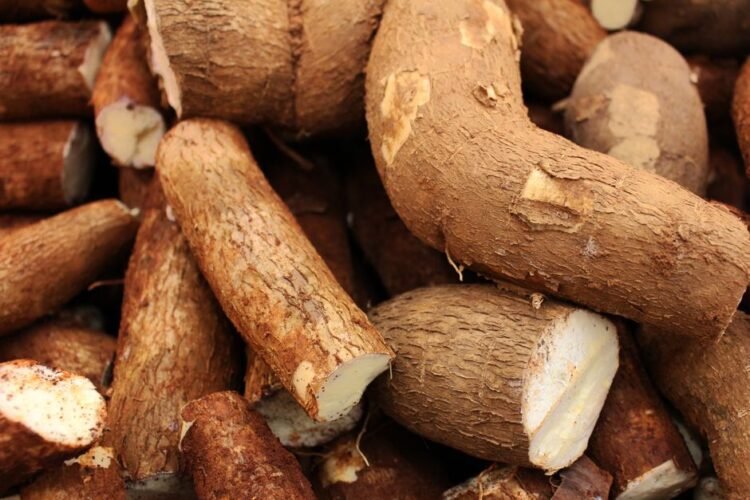
Togo's beloved steamed cassava dish features light, fluffy grains with a delicate tang from natural fermentation. Traditionally served as a side with grilled fish or spicy pepper sauce, it makes a satisfying base for any West African meal. This recipe walks you through the traditional method of grating, fermenting, and steaming fresh cassava at home.
Prep Time45 mins
Cook Time30 mins
Total Time75 mins
Servings4
Yield4 servings
Nutrition Facts
Per serving (estimated)
- 290 kcalCalories
- 5 gFat
- 0.8 gSaturated Fat
- 58 gCarbs
- 4 gFiber
- 3 gSugar
- 2.5 gProtein
- 320 mgSodium
- 380 mgPotassium
- 35 mgCalcium
- 1.2 mgIron
- 28 mgVitamin C
- 8 mcgVitamin A
Ingredients
For the cassava
- 2 lbs (about 1 kg) fresh cassava roots, peeled
- 4 cups warm water, for soaking
- 1/2 teaspoon salt
- 1 tablespoon lime juice
For finishing
- 2 tablespoons palm oil or vegetable oil
- 1/2 teaspoon fine salt
- 1 small onion, finely chopped
- 1/4 cup warm water, for fluffing
To serve (optional)
- 4 small grilled tilapia or mackerel
- 1 cup spicy tomato-pepper sauce
- 1 tomato, sliced
- 1 small red onion, sliced
Directions
- Peel the cassava roots, cut them into 2-inch chunks, and rinse thoroughly under cold running water.
- Grate the cassava using the fine side of a box grater or the grating disc of a food processor until you have a moist, fluffy pulp.
- Transfer the pulp to a large bowl, stir in the lime juice and salt, cover loosely with a clean cloth, and let it ferment at room temperature for 24 to 36 hours until it develops a mild sour aroma.
- Wrap the fermented pulp in a clean cheesecloth and squeeze firmly to extract as much liquid as possible, then rub the pulp through a medium-mesh sieve to form small, couscous-like grains.
- Spread the grains on a clean tray and let them rest for 20 to 30 minutes to dry slightly and firm up.
- Set up a steamer pot with about 2 inches of water and bring it to a rolling boil over high heat.
- Line the steamer basket with cheesecloth, spread the cassava grains evenly inside, cover, and steam for 25 to 30 minutes, fluffing gently with a fork at the halfway point.
- Transfer the steamed grains to a mixing bowl, drizzle with warm palm oil, sprinkle with the salt and chopped onion, sprinkle in the warm water, and toss gently with a wooden spoon until evenly coated and fluffy.
- Pile the warm cassava grains onto a serving platter and accompany with grilled fish, spicy pepper sauce, and sliced fresh tomatoes and onions.
Cook’s Notes
- For a quicker version, substitute 2 cups of store-bought attiéké mix (available at African markets) and skip the fermentation and pressing steps.
- The 24- to 36-hour fermentation is essential for the authentic tangy flavor; do not shorten it unless using a prepared mix.
- Palm oil gives the classic golden color and authentic taste, but any mild vegetable oil will work as a substitute.
- Press out as much moisture as possible before steaming to keep the grains separate rather than clumping together.
- Leftovers can be refrigerated for up to 2 days and refreshed by steaming again for 5 minutes before serving.