 (No Ratings Yet)
 Loading...
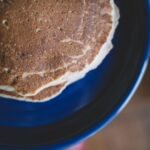
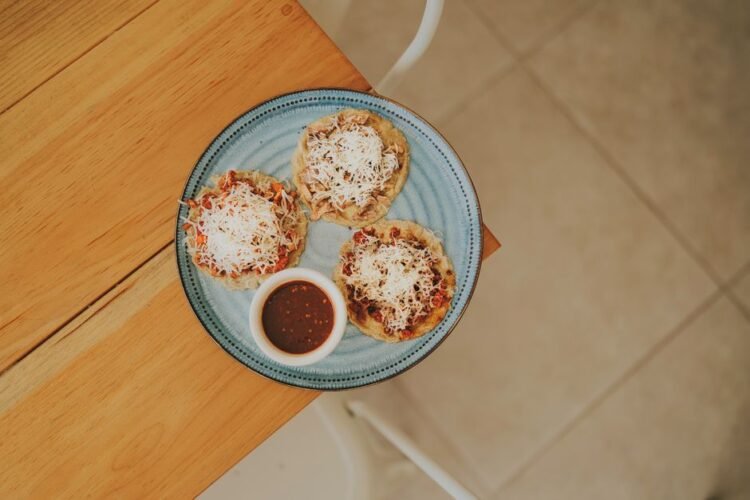
Salvadoran cheese-stuffed corn cakes are thick, hand-shaped griddle cakes made from fresh masa dough wrapped around a generous pocket of melty cheese. They are griddled on a hot comal until speckled with golden-brown char spots, then served hot with tangy fermented cabbage slaw and a bright tomato salsa. This is the most iconic street food of El Salvador, beloved at family tables and roadside stands alike.
Prep Time20 mins
Cook Time20 mins
Total Time40 mins
Servings4
Yield8 corn cakes (4 servings)
Nutrition Facts
Per serving (estimated)
- 480 kcalCalories
- 20 gFat
- 9 gSaturated Fat
- 52 gCarbs
- 5 gFiber
- 2 gSugar
- 22 gProtein
- 620 mgSodium
- 240 mgPotassium
- 350 mgCalcium
- 3 mgIron
- 3 mgVitamin C
- 180 mcgVitamin A
Ingredients
For the masa dough
- 2 cups masa harina (instant corn flour)
- 1 1/2 cups warm water, plus more as needed
- 1/2 teaspoon fine salt
- 1 tablespoon vegetable oil
For the cheese filling
- 1 1/2 cups shredded low-moisture mozzarella
- 1/2 cup crumbled queso fresco (or mild feta)
- 2 tablespoons sour cream
For serving
- 1 cup curtido (fermented cabbage slaw)
- 1/2 cup red tomato salsa (salsa roja)
Directions
- In a large bowl, whisk the masa harina and salt to combine. Add the warm water and oil, then mix by hand until a soft, pliable dough forms that holds together without cracking; add water a tablespoon at a time if it feels dry, or a sprinkle of masa if sticky.
- In a separate bowl, combine the mozzarella, queso fresco, and sour cream and mix until it forms a thick, spreadable paste. Divide into 8 equal portions and roll each into a ball.
- Divide the masa dough into 8 equal balls (about 70 g each). Keep them covered with a damp towel so they don't dry out. To shape a cake, cup one masa ball in your oiled palm, use your thumb to press an indentation into the center, and flatten it into a disc about 4 inches wide with a thick lip.
- Place one cheese ball into the center of the disc. Cup your hand and gently rotate the dough, pulling the masa up and around the cheese to seal completely. Pinch off any excess masa, then pat the filled ball back into a thick disc about 1/2 inch thick, keeping the filling inside.
- Heat a dry comal, cast-iron skillet, or heavy griddle over medium heat until a drop of water sizzles immediately on contact. Place 3 to 4 cakes on the hot surface, leaving space between them.
- Cook the cakes for 4 to 5 minutes on the first side until the bottom is golden with dark-charred spots. Flip carefully with a thin spatula and cook another 3 to 4 minutes on the second side until puffed, charred, and the cheese inside is fully melted.
- Keep finished cakes warm in a clean towel while you cook the remaining batches. Serve immediately, piled on a plate, with the curtido and salsa roja on the side.
Cook’s Notes
- The masa dough should feel like soft modeling clay and never crack at the edges when pressed; if it cracks, your hands and the dough need more water.
- Keep your hands lightly oiled when shaping, and keep the dough balls under a damp towel so the masa stays pliable and seals easily around the cheese.
- Use a melting cheese like mozzarella for the gooey pull and a crumbly, salty cheese like queso fresco for flavor depth; avoid pre-shredded cheese with anti-caking agents, which won't melt as smoothly.
- A traditional clay comal gives the best charred flavor, but a well-seasoned cast-iron skillet works beautifully; never add oil to the pan, as the cakes should cook on a dry, very hot surface.
- Serve pupusas immediately off the griddle so the cheese stays molten; leftover cakes can be refrigerated and reheated in a dry skillet over low heat.