 (No Ratings Yet)
 Loading...
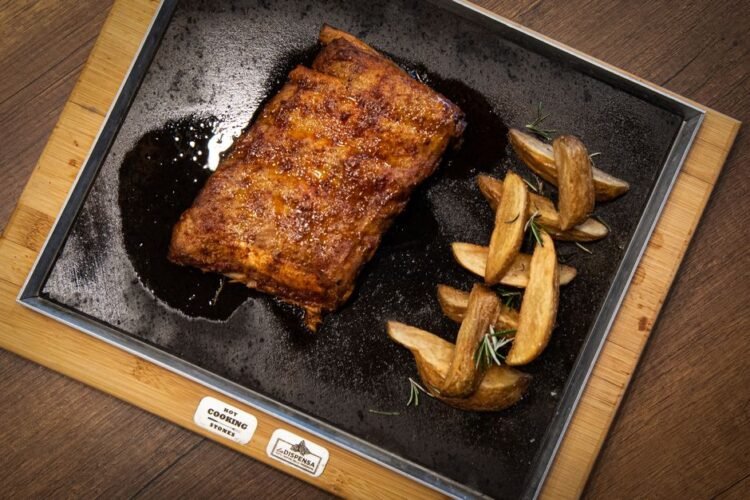
A staple of Nuyorican holiday tables, this slow-roasted pork shoulder is marinated for hours in a punchy paste of garlic, oregano, citrus, and olive oil, then roasted low and slow until the meat is fork-tender and the skin blisters into crackling. It is the centerpiece of countless Christmas and Sunday family feasts across New York's Puerto Rican neighborhoods, served alongside rice, beans, and tostones.
Prep Time25 mins
Cook Time300 mins
Total Time325 mins
Servings8
Yield8 to 10 servings
Nutrition Facts
Per serving (estimated)
- 510 kcalCalories
- 35 gFat
- 12 gSaturated Fat
- 3 gCarbs
- 0 gFiber
- 1 gSugar
- 42 gProtein
- 780 mgSodium
- 620 mgPotassium
- 45 mgCalcium
- 2.5 mgIron
- 10 mgVitamin C
- 15 mcgVitamin A
Ingredients
For the garlic-citrus marinade
- 10 cloves garlic, peeled
- 1 tablespoon coarse kosher salt
- 1 tablespoon dried oregano
- 2 teaspoons freshly ground black pepper
- 1/4 cup fresh orange juice
- 2 tablespoons fresh lime juice
- 1/4 cup olive oil
- 2 tablespoons white vinegar
For the pork shoulder and finishing
- 1 (6 to 7 pound) bone-in pork shoulder, skin-on (Boston butt)
- 1 tablespoon adobo seasoning
- 1/2 cup reserved marinade, for basting
- 2 tablespoons olive oil, for the roasting pan
- 2 tablespoons fresh cilantro, chopped
- 1 lime, cut into wedges
- 1/4 cup sofrito, optional for serving
Directions
- Make the marinade: on a cutting board, smash the garlic with the side of a knife, then sprinkle with the salt and chop until a coarse paste forms. Transfer to a bowl and stir in the oregano, black pepper, orange juice, lime juice, olive oil, and vinegar until well combined.
- Pat the pork shoulder dry with paper towels. With a sharp paring knife, make deep slits all over the meat, cutting through the fat cap and into the flesh in a crosshatch pattern. Reserve 1/2 cup of the marinade in the refrigerator for basting later.
- Rub the adobo seasoning into the slits and all over the pork. Smear the remaining marinade thoroughly over the entire shoulder, pressing it into every crevice and working some under the skin where possible. Cover and refrigerate at least 8 hours, ideally overnight, turning once or twice if you can.
- Remove the pork from the refrigerator 1 hour before roasting to bring it to room temperature. Preheat the oven to 325°F (165°C). Place the pork skin-side up on a rack set inside a large roasting pan, tucking any loose skin over the top, and drizzle the olive oil into the bottom of the pan.
- Roast uncovered for 4 to 5 hours, basting with the reserved marinade every hour after the first 90 minutes. The pork is ready when a meat thermometer inserted into the thickest part (avoiding bone) reads 175°F (80°C) and the skin has puffed and crackled.
- Increase the oven temperature to 450°F (230°C) and roast for 10 to 15 minutes more to crisp the skin, watching carefully so it does not burn. Remove from the oven and let rest, loosely tented with foil, for at least 20 minutes before slicing.
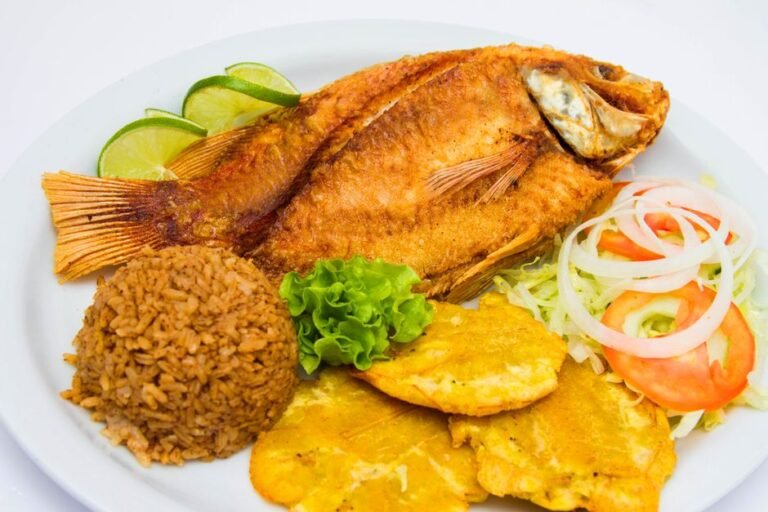
- Spoon the pan juices over the pork and sprinkle with cilantro. Serve with sofrito, lime wedges, arroz con gandules, and tostones for a true Nuyorican feast.
Cook’s Notes
- Score the fat cap deeply but do not cut all the way through to the meat — this lets the marinade penetrate and the skin crisp without drying the roast.
- For maximum flavor and tender meat, marinate the pork for 24 hours if your schedule allows.
- A roasting rack is essential for air circulation so the underside of the pork does not steam and the skin crisps evenly.
- Save the bones and any trimmed fat to enrich a pot of beans the next day — pernil drippings are liquid gold.
- Leftover pernil keeps refrigerated for 4 days and is excellent in sandwiches, mofongo, or fried with onions and potatoes for a next-day hash.