 (No Ratings Yet)
 Loading...
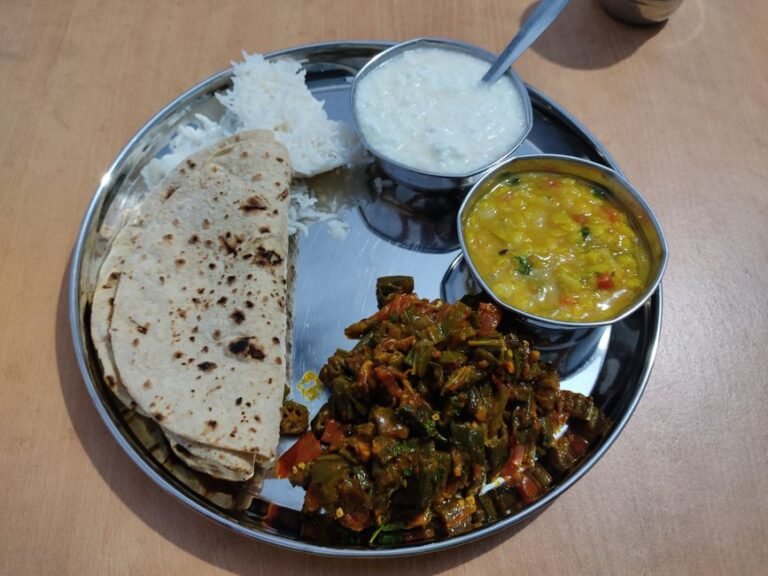
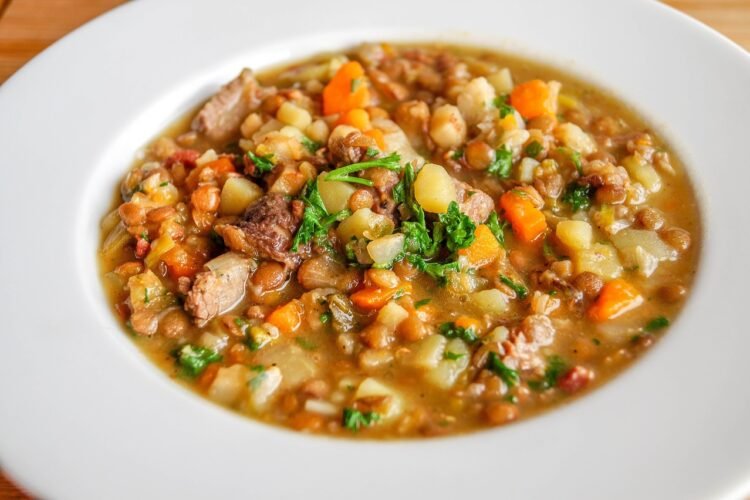
Andhra Sorrel Lentil Stew is a beloved comfort dish from the southern Indian state of Andhra Pradesh, where the tangy, lemony flavor of fresh sorrel leaves (gongura) is slow-cooked into soft split pigeon peas. The dish comes alive with a sizzling tempering of mustard seeds, cumin, dried chilies, and curry leaves poured over the lentils just before serving. Traditionally enjoyed with steamed rice and a spoonful of ghee, this pappu delivers the bold, rustic flavors that define Andhra home cooking.
Prep Time15 mins
Cook Time25 mins
Total Time40 mins
Servings4
Yield4 servings
Nutrition Facts
Per serving (estimated)
- 280 kcalCalories
- 9 gFat
- 1.5 gSaturated Fat
- 38 gCarbs
- 11 gFiber
- 5 gSugar
- 14 gProtein
- 480 mgSodium
- 720 mgPotassium
- 95 mgCalcium
- 4.5 mgIron
- 28 mgVitamin C
- 380 mcgVitamin A
Ingredients
For the lentils
- 1 cup toor dal (split pigeon peas), rinsed and drained
- 3 cups water
- 1/2 teaspoon ground turmeric
- 1/2 teaspoon fine sea salt, plus more to taste
For the gongura base
- 3 cups fresh gongura (sorrel) leaves, washed, stems removed, and roughly chopped
- 1 medium yellow onion, finely chopped
- 1 medium roma tomato, finely chopped
- 3 green Thai chilies, slit lengthwise
- 1 tablespoon ginger-garlic paste
- 2 tablespoons sesame oil or peanut oil
For the spice blend
- 1 teaspoon red chili powder (adjust to heat preference)
- 1/2 teaspoon ground coriander
- 1/4 teaspoon asafoetida (hing)
For the tempering (tadka)
- 2 tablespoons ghee or sesame oil
- 1 teaspoon black mustard seeds
- 1 teaspoon cumin seeds
- 2 whole dried red chilies
- 10 fresh curry leaves
- 1 pinch asafoetida (hing)
Directions
- Combine the rinsed toor dal, water, turmeric, and 1/2 teaspoon salt in a pressure cooker or heavy pot; cook on medium heat for 3 to 4 whistles (or about 25 minutes in a covered pot) until the dal is completely soft and mashable.
- While the dal cooks, heat 2 tablespoons sesame oil in a wide skillet over medium heat; add the chopped onion and sauté for 4 to 5 minutes until soft and translucent.
- Stir in the slit green chilies and ginger-garlic paste, cooking 1 to 2 minutes until fragrant and the raw aroma disappears.
- Add the chopped tomato and cook for 3 to 4 minutes, mashing with a spoon until it breaks down into a thick paste and oil begins to release at the edges.
- Add the chopped gongura leaves, red chili powder, ground coriander, and a pinch of salt; stir well and cook uncovered for 6 to 8 minutes until the leaves wilt, darken, and the mixture turns glossy.
- Pour the cooked, mashed dal into the skillet with the gongura mixture, stir to combine, and simmer for 5 minutes, adding hot water as needed to reach a thick-but-pourable consistency; adjust salt to taste.
- For the tempering, heat the ghee in a small ladle or pan over high heat until very hot; add the mustard seeds and wait until they pop loudly, then immediately add the cumin seeds, dried red chilies, curry leaves, and asafoetida.
- Let the tempering sizzle for 10 to 15 seconds until the curry leaves turn crisp and the aroma intensifies, then pour the entire sizzling mixture directly over the simmering pappu.
- Cover the pan immediately to trap the aromatic steam, let rest for 2 minutes, then stir gently before serving hot with steamed rice, papad, and a drizzle of ghee.
Cook’s Notes
- Fresh gongura leaves deliver the brightest tang; if using frozen, thaw completely and squeeze out excess water before cooking to avoid a watery dal.
- Increase the gongura to 4 cups for an extra-sour flavor, or reduce to 2 cups if you prefer a milder background tartness.
- Masoor dal can replace toor dal for a quicker version, though the traditional Andhra recipe calls for toor for its nutty body.
- The final tempering is non-negotiable for authentic flavor, so do not skip it; pour it sizzling-hot directly over the dal for maximum aroma.
- For a richer finish, swirl 1 to 2 tablespoons of ghee into the finished pappu just before serving alongside hot steamed rice.