 (No Ratings Yet)
 Loading...
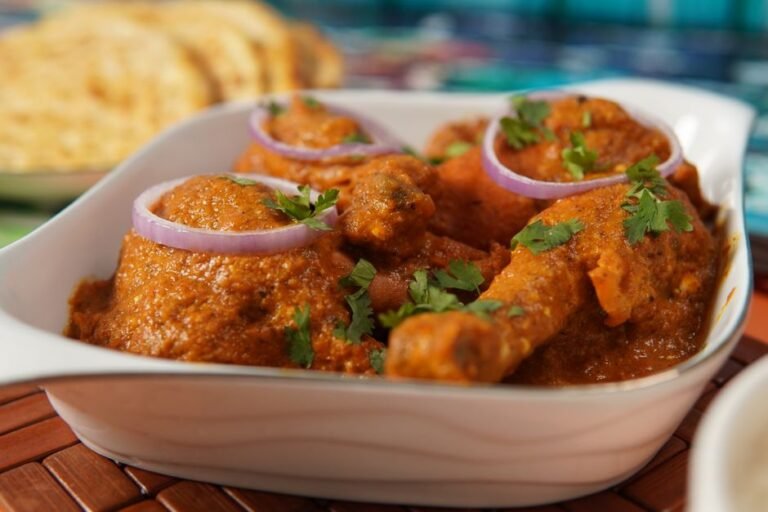
A signature curry from the Chettinad region of Tamil Nadu, this dish balances tangy tamarind, deeply toasted black pepper, and sweet pearl onions in a glossy, slow-simmered gravy. The freshly roasted pepper-coconut paste gives it a warm, floral heat that is unlike any other South Indian curry, making it a stellar partner for steamed rice or soft idlis.
Prep Time20 mins
Cook Time30 mins
Total Time50 mins
Servings4
Yield4 servings
Nutrition Facts
Per serving (estimated)
- 285 kcalCalories
- 14 gFat
- 3 gSaturated Fat
- 38 gCarbs
- 7 gFiber
- 11 gSugar
- 6 gProtein
- 590 mgSodium
- 720 mgPotassium
- 130 mgCalcium
- 5 mgIron
- 22 mgVitamin C
- 30 mcgVitamin A
Ingredients
For the pepper-spice paste
- 2 tbsp whole black peppercorns
- 1 tbsp cumin seeds
- 1 tbsp coriander seeds
- 1 tsp fenugreek seeds
- 4 whole dried red chilies
- 1/2 cup grated fresh or frozen coconut
- 3 tbsp water, plus more as needed for blending
For the curry
- 2 tbsp sesame (gingelly) oil
- 1 tsp black mustard seeds
- 2 whole dried red chilies
- 10 to 12 fresh curry leaves
- 1 cup (150 g) peeled pearl onions or shallots, halved
- 8 garlic cloves, smashed
- 1 medium tomato (100 g), finely chopped
- 1.5 tbsp tamarind paste, or 1 oz seedless tamarind soaked in 1/2 cup warm water
- 1 tsp ground turmeric
- 1.5 tsp kosher salt, or to taste
- 2 cups (480 ml) water
- 2 tbsp chopped fresh cilantro
Directions
- Toast the whole spices for the paste: in a dry skillet over medium heat, add the peppercorns, cumin, coriander, fenugreek, and dried red chilies. Toast, shaking the pan often, for 2 to 3 minutes until deeply fragrant and the chilies darken slightly.
- Transfer the toasted spices to a small blender or spice grinder along with the grated coconut and 3 tablespoons of water. Blend to a smooth, thick paste, adding a splash more water only if needed; set aside.
- Heat the sesame oil in a heavy-bottomed pot or kadai over medium-high heat. Add the mustard seeds and let them crackle for about 30 seconds, then toss in the dried red chilies and curry leaves (stand back as they will splutter).
- Add the shallots and smashed garlic. Saute for 5 to 6 minutes, stirring often, until the shallots turn translucent and start to lightly caramelize at the edges.
- Stir in the chopped tomato, turmeric, and salt. Cook for 3 to 4 minutes until the tomato breaks down into a thick, jammy base that coats the shallots.
- Pour in the tamarind water (or paste mixed with the 2 cups of water) and bring to a brisk boil. Reduce the heat and simmer uncovered for 8 minutes to mellow the tamarind and thicken the gravy slightly.
- Stir the prepared pepper-spice paste into the simmering gravy. Rinse the blender with 1/4 cup water and add that as well. Simmer gently for another 6 to 8 minutes, until the oil just begins to separate at the edges and the curry is glossy, dark, and richly spiced.
- Taste and adjust the salt or tang. Stir in most of the chopped cilantro, saving a little for garnish.
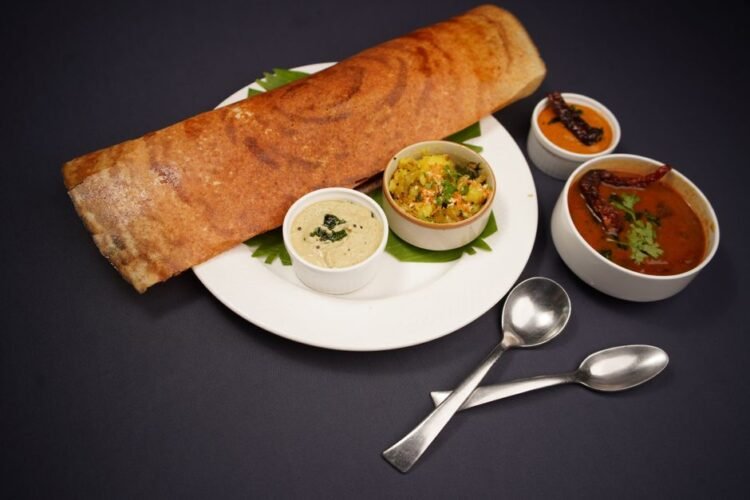
- Serve hot, garnished with the remaining cilantro, alongside steamed rice, idli, or dosai.
Cook’s Notes
- Use gingelly (sesame) oil for the most authentic Chettinad flavor; its nutty aroma carries the pepper beautifully and holds up to the long simmer.
- The pepper quantity may seem bold, but slow simmering tames its raw heat while deepening its woody, floral warmth; do not reduce it if you want true Chettinad character.
- If pearl onions are unavailable, substitute 1 small red onion diced into 1/2-inch pieces; the small bulbs caramelize better and give the right sweetness.
- The gravy thickens as it sits, so loosen leftovers with a splash of hot water when reheating; the flavors actually deepen overnight.
- A pinch of jaggery or brown sugar (about 1/2 tsp) stirred in at the end will balance extreme tartness if your tamarind is especially sour.