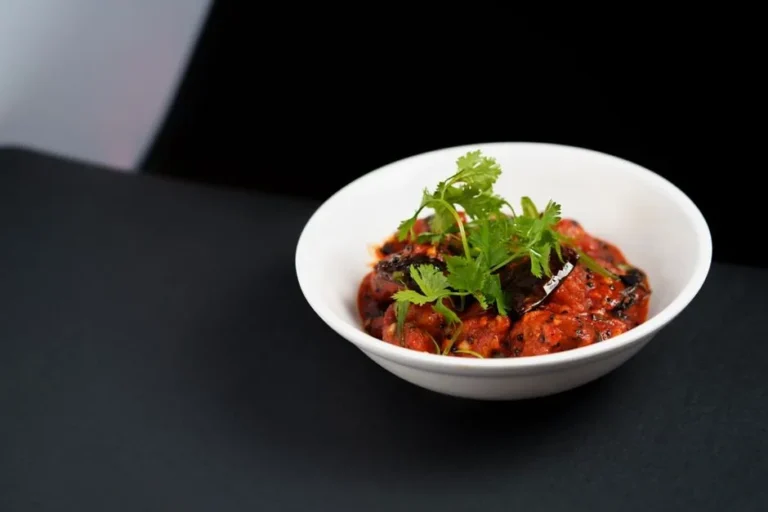
A classic Gujarati one-pot vegetable medley loaded with winter produce, slow-cooked with a fragrant coconut, sesame, and coriander paste. Traditionally served with pooris or steamed rice, this warming stew celebrates seasonal Surti papdi and fenugreek dumplings.
Prep Time25 mins
Cook Time45 mins
Total Time70 mins
Servings6
Yield6 servings
Nutrition Facts
Per serving (estimated)
- 385 kcalCalories
- 18 gFat
- 5 gSaturated Fat
- 48 gCarbs
- 9 gFiber
- 7 gSugar
- 9 gProtein
- 520 mgSodium
- 920 mgPotassium
- 135 mgCalcium
- 4.2 mgIron
- 32 mgVitamin C
- 165 mcgVitamin A
Ingredients
For the vegetables
- 1 cup Surti papdi (flat beans), trimmed
- 1 cup fresh val papdi (broad beans), shelled
- 4 small Indian brinjals (eggplants), halved
- 2 medium potatoes, peeled and quartered
- 1 small yam (suran), peeled and cubed
- 1 raw green banana, peeled and cubed
- 1 medium sweet potato, peeled and cubed
For the green coconut-sesame paste
- 1 cup freshly grated coconut
- 1 cup fresh coriander leaves, packed
- 2 tablespoons white sesame seeds, lightly toasted
- 3 to 4 green chilies, roughly chopped
- 1 tablespoon ginger-garlic paste
- 1 teaspoon cumin seeds
- 1 teaspoon turmeric powder
- 1 tablespoon coriander powder
- 1 teaspoon sugar
- Salt to taste
For the fenugreek dumplings (muthia)
- 1 cup fresh fenugreek leaves, chopped
- 1/2 cup gram flour (besan)
- 2 tablespoons whole wheat flour
- 1/2 teaspoon turmeric powder
- 1 teaspoon red chili powder
- 1 tablespoon oil
- Salt to taste
For cooking
- 4 tablespoons peanut oil
- 1/2 cup chopped green garlic stalks
- 1/2 teaspoon asafoetida (hing)
- 1 tablespoon lemon juice
Directions
- Prepare the fenugreek dumplings first: combine the chopped fenugreek, gram flour, whole wheat flour, turmeric, chili powder, oil, and salt. Knead into a stiff dough using a tablespoon of water if needed, shape into 12 small oval dumplings, and steam in a steamer for 12 minutes. Set aside.
- Make the green paste by blending grated coconut, coriander, toasted sesame seeds, green chilies, ginger-garlic paste, cumin, turmeric, coriander powder, sugar, and salt with 3 tablespoons of water until a coarse, thick paste forms.
- Heat 2 tablespoons of peanut oil in a heavy-bottomed pot. Add the harder vegetables (potatoes, yam, sweet potato, and raw banana) and sauté for 4 minutes on medium heat until lightly golden at the edges.
- Add the brinjals, Surti papdi, and val papdi along with 1 cup of water. Cover and cook for 10 minutes until the vegetables are about three-quarters done.
- Stir in the green coconut-sesame paste, green garlic, and asafoetida. Mix gently so the paste coats each vegetable, add another 1/2 cup of water if the mixture looks dry, and simmer covered for 12 to 15 minutes until the vegetables are fork-tender and the gravy is thick and glossy.
- Gently place the steamed fenugreek dumplings on top of the vegetables, drizzle the remaining 2 tablespoons of oil around the edges, and cook uncovered for 5 more minutes so the dumplings absorb the flavors.
- Finish with a squeeze of lemon juice, transfer to a serving bowl, and serve hot with pooris, rotlis, or steamed basmati rice.
Cook’s Notes
- Traditionally cooked in an earthen pot (matlu) over a slow fire; a heavy Dutch oven works well for home kitchens.
- Surti papdi and val papdi are essential for authentic flavor; substitute with a mix of flat Italian beans and fava beans if unavailable.
- Always steam the muthia separately before adding them so they hold their shape and don't turn mushy in the stew.
- Peel the yam (suran) with gloves if your skin is sensitive, and soak the cubes in salted water for 10 minutes to remove any itchiness.
- Leftovers taste even better the next day as the spices mellow and penetrate the vegetables further.
More India Recipes You’ll Love
Craving more flavors from India? Try these traditional recipes: