 (No Ratings Yet)
 Loading...
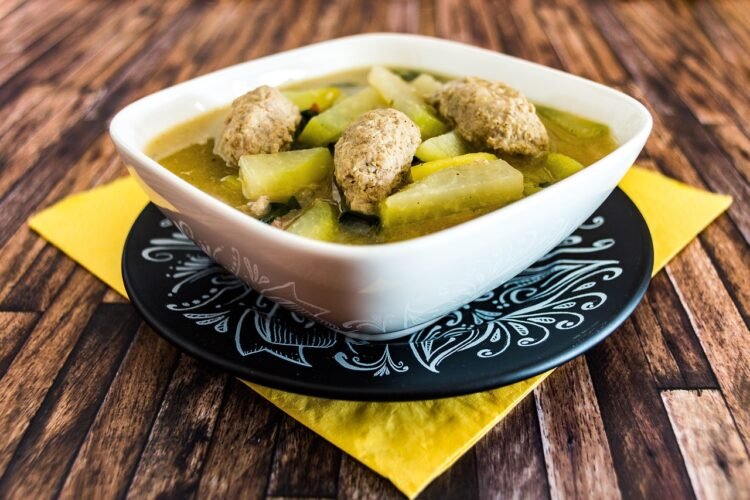
Locro is the national comfort stew of Argentina, a thick and deeply satisfying one-pot dish built on hominy, white beans, beef, Spanish chorizo, and winter squash. Slow-simmered with smoky paprika and cumin, it is traditionally served on Argentine Independence Day (July 9th) and during the coldest weeks of winter. Every region puts its own spin on locro, but this version captures the soul-warming, rustic character of the classic.
Prep Time30 mins
Cook Time180 mins
Total Time210 mins
Servings6
Yield6 generous bowls
Nutrition Facts
Per serving (estimated)
- 620 kcalCalories
- 26 gFat
- 9 gSaturated Fat
- 58 gCarbs
- 10 gFiber
- 8 gSugar
- 38 gProtein
- 780 mgSodium
- 1150 mgPotassium
- 140 mgCalcium
- 6 mgIron
- 32 mgVitamin C
- 9200 mcgVitamin A
Ingredients
For the beans, hominy, and meats
- 2 cups dried white hominy (or 2 cans, 15 oz each, drained)
- 1 cup dried cranberry or white beans, soaked overnight and drained
- 1.5 lbs beef chuck or brisket, trimmed and cut into 1-inch cubes
- 6 oz dry Spanish chorizo, casing removed and sliced into coins
- 4 oz pancetta or thick-cut bacon, diced
For the vegetables
- 2 lbs butternut squash or Argentine-style pumpkin (zapallo), peeled and cubed
- 2 medium Yukon Gold potatoes, peeled and cubed
- 1 large sweet potato, peeled and cubed
- 2 large yellow onions, finely diced
- 1 red bell pepper, finely diced
- 5 cloves garlic, minced
For the seasoning and liquid
- 3 tbsp olive oil
- 2 tbsp sweet paprika (pimentón dulce)
- 1 tbsp ground cumin
- 1 tsp dried oregano
- 2 bay leaves
- 7 cups beef broth or water
- 1.5 tsp kosher salt, plus more to taste
- 1 tsp black pepper
- 2 scallions, thinly sliced, to garnish
Directions
- If using dried hominy and beans, drain them after their overnight soak. In a large heavy pot or Dutch oven, heat the olive oil over medium-high heat. Add the pancetta and cook for 3 to 4 minutes until the fat renders and the pieces are crisp.
- Pat the beef cubes dry, season with salt and pepper, and add them to the pot. Brown on all sides for about 6 minutes. Stir in the chorizo slices and cook for 2 minutes more to release their paprika-colored oils.
- Add the onions, bell pepper, and garlic, and cook for 6 to 7 minutes until softened and lightly caramelized. Sprinkle in the sweet paprika, cumin, and oregano, and stir constantly for 1 minute to bloom the spices without burning them.
- Stir in the drained hominy and beans, then pour in the beef broth. Drop in the bay leaves, bring everything to a rolling boil, then reduce the heat to low. Cover and simmer gently for 1 hour and 30 minutes, stirring occasionally, until the beans and hominy are tender.
- Add the butternut squash, potatoes, and sweet potato to the pot. Continue simmering uncovered for another 45 to 60 minutes, stirring every so often, until the squash breaks down slightly and the stew thickens into a rich, spoonable consistency. Add hot water if it becomes too thick before the vegetables are tender.
- Remove and discard the bay leaves. Taste and adjust with additional salt and pepper. Let the locro rest off the heat for 10 minutes so the flavors settle.
- Ladle into deep bowls, scatter the sliced scallions over the top, and serve hot with crusty bread and a side of ají or chimichurri if desired.
Cook’s Notes
- Always soak dried hominy and beans overnight; canned versions are a fine shortcut but reduce simmering time by roughly 30 minutes.
- For the most authentic flavor, use Argentine-style chorizo (soft and heavily spiced) or Spanish chorizo cured in paprika. Mexican chorizo will give a different, chili-heavy result.
- Locro thickens as it sits and even more as it cools. When reheating leftovers, add a splash of broth or water and warm gently on the stovetop.
- Tripe (mondongo) is a traditional addition in many Argentine households; add 1 lb cleaned and diced honeycomb tripe with the beef for an extra-authentic version.
- Serve locro with a small bowl of ají molido (crushed red chili) or fresh chimichurri on the side so each person can adjust the heat.