 (No Ratings Yet)
 Loading...
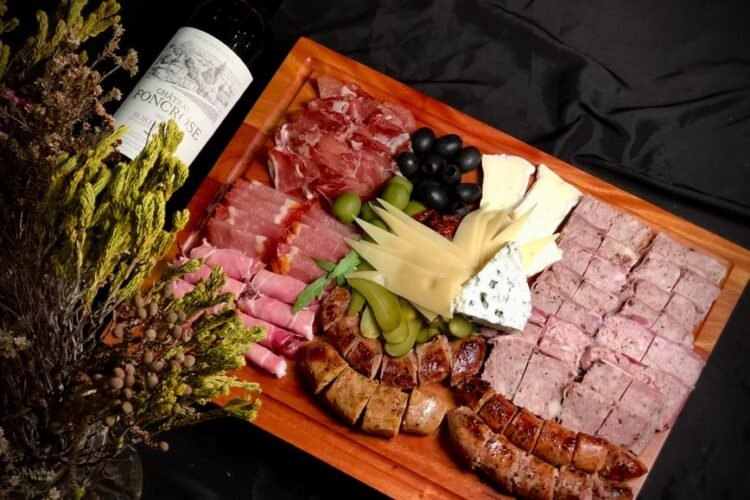
A traditional Argentine picada is more than an appetizer spread: it's a leisurely social tradition, brimming with cured meats, bold cheeses, briny olives, and toasts to share over a Malbec with friends. This board balances sharp blue cheese with mellow provolone, slices of salami and bondiola, and classic accompaniments like pickled vegetables and dulce de membrillo. Arrange generously and let guests graze slowly, the way it was meant to be enjoyed.
Prep Time25 mins
Cook Time5 mins
Total Time30 mins
Servings6
Yield6 servings
Nutrition Facts
Per serving (estimated)
- 480 kcalCalories
- 32 gFat
- 11 gSaturated Fat
- 24 gCarbs
- 2 gFiber
- 7 gSugar
- 24 gProtein
- 1180 mgSodium
- 390 mgPotassium
- 280 mgCalcium
- 2.5 mgIron
- 4 mgVitamin C
- 160 mcgVitamin A
Ingredients
For the cured meats
- 4 oz (115 g) salamín or Genoa salami, thinly sliced
- 4 oz (115 g) jamón cocido (cooked ham), thinly sliced
- 3 oz (85 g) bondiola (cured pork shoulder) or prosciutto, thinly sliced
- 3 oz (85 g) cantimpalo or chorizo español, thinly sliced
For the cheeses
- 4 oz (115 g) provolone, cut into small triangles
- 3 oz (85 g) reggianito or aged Parmesan, crumbled
- 3 oz (85 g) queso azul (Argentine blue cheese), crumbled or room-temperature softened
- 3 oz (85 g) queso fresco or petit suisse, cubed
For the olives, pickles, and bites
- 1/2 cup mixed green and black olives, drained
- 1/4 cup pickled vegetables (pickla) or pickled peppers, drained
- 1/4 cup roasted salted maní (peanuts) or marcona almonds
- 1/4 cup dried apricots or dried figs
For the breads and finishing touches
- 1 small loaf pan criollo or a 6-inch piece of baguette, sliced and lightly toasted
- 30-40 small crackers or grisines
- 1/4 cup dulce de membrillo (quince paste), cut into small cubes
- 2 tbsp store-bought chimichurri for dipping, served in a small ramekin
Directions
- Bring all cheeses to room temperature 30 minutes before serving so flavors can open up; arrange on the board just before guests arrive.
- Preheat the oven to 350°F (175°C). Place the bread slices on a baking sheet and toast 5-8 minutes until just crisp and lightly golden; let cool completely before placing on the board.
- Place small bowls or ramekins first in their intended spots on a large wooden board or platter to hold olives, pickled vegetables, chimichurri, and dulce de membrillo.
- Add cheese clusters on the board: alternate hard cheese cubes (reggianito), creamy cheeses (queso fresco), and a generous section of crumbled queso azul with the provolone triangles to create color contrast.
- Fold or fan the sliced meats into small rosettes and mounds; tuck them into any remaining larger areas between cheese sections, varying meat types so each cluster looks distinct.
- Scatter toasted bread slices and crackers across the board in stacks or in lines to fill larger negative spaces, keeping a balance of crispy elements on each side.
- Fill the small remaining gaps with nuts, dried fruit, and any fresh herb sprigs (such as rosemary or fresh oregano) for color and aroma.
- Serve right away with small plates, cocktail picks, and a decanted Malbec or sparkling wine; encourage guests to combine bites such as blue cheese with quince paste for a classic Argentine pairing.
Cook’s Notes
- Always bring cheeses out 30-45 minutes before serving so they reach peak flavor and texture.
- Choose 2-3 contrasting styles (hard, semi-soft, strong) rather than 5-6 cheeses to keep the board focused and balanced.
- Keep wet ingredients in ramekins or bowls to prevent leaks and stains on the wood or platter.
- Add fresh herbs and dried fruit last for color, aroma, and sweet-savory pop without crowding the meats.
- Provide separate picks or small tongs for cheeses and meats so guests can serve comfortably without mixing flavors.