 (No Ratings Yet)
 Loading...
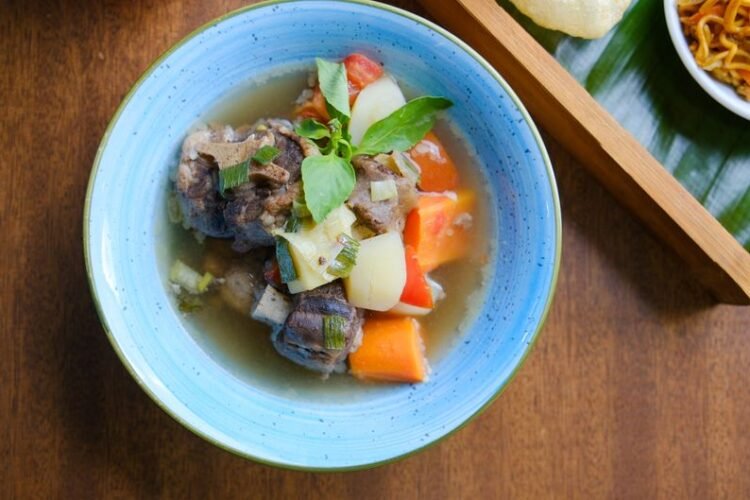
A slow-simmered Korean oxtail soup prized for its pale, lightly clarified broth and tender beef falling off the bone. The long, gentle simmer draws rich collagen out of the oxtail while keeping the liquid clear, served traditionally with rice and a table-side seasoning platter of salt, pepper, scallions, and fermented shrimp.
Prep Time20 mins
Cook Time240 mins
Total Time260 mins
Servings4
Yield4 large bowls
Nutrition Facts
Per serving (estimated)
- 620 kcalCalories
- 38 gFat
- 14 gSaturated Fat
- 22 gCarbs
- 3 gFiber
- 5 gSugar
- 46 gProtein
- 780 mgSodium
- 720 mgPotassium
- 70 mgCalcium
- 5 mgIron
- 18 mgVitamin C
- 20 mcgVitamin A
Ingredients
For the broth and oxtail
- 3 lbs oxtail pieces, cut into 2-inch segments by the butcher
- 1 lb beef marrow bones (or knuckle bones)
- 12 cups cold water, plus more as needed
- 1 medium Korean radish (mu), peeled and quartered
- 1 large yellow onion, halved with skin on
- 8 garlic cloves, smashed
- 1 inch fresh ginger, sliced into coins
- 2 scallions, white parts only
For seasoning and serving
- 1 1/2 tsp kosher salt, plus more to taste
- 1/2 tsp whole black peppercorns
- 3 scallions, finely chopped
- 2 garlic cloves, finely minced
- 1 tbsp saeujeot (salted fermented shrimp) or fish sauce
- 4 cups freshly steamed short-grain white rice
Directions
- Place the oxtail and marrow bones in a large heavy stockpot, cover with cold water, and bring to a rolling boil over high heat. Simmer 10 minutes, then drain and rinse the bones under cold running water, rubbing away any clinging scum. Wash the pot clean so the final broth stays pale.
- Return the rinsed bones to the clean pot and add the Korean radish, onion halves, smashed garlic, ginger, scallion whites, and 12 cups of fresh cold water. Slowly bring the pot up to a gentle simmer over medium-low heat, never allowing a hard boil, which would emulsify the fat and cloud the broth.
- Skim any pale foam that rises during the first 30 minutes using a fine-mesh skimmer, then partially cover and reduce the heat to its lowest setting. Maintain a bare, lazy simmer for 4 hours, topping up with hot water as needed to keep the bones submerged.
- Strain the broth through a fine-mesh sieve lined with several layers of cheesecloth into a clean pot; discard the spent radish and aromatics. The broth should be a clear pale gold and slightly gelatinous when cold. While the broth strains, pick the oxtail meat from the bones and tear it into bite-sized pieces, discarding any large chunks of surface fat.
- Return the strained broth to medium heat, add the whole peppercorns and 1 1/2 tsp salt, and warm 5 minutes. Taste and adjust the salt; the broth should taste of rich, clean beef, not heavy.
- Divide the shredded oxtail meat among four deep, warmed soup bowls. Ladle the hot broth over the meat, aiming for about 2 1/2 cups of broth per bowl.
- Serve immediately with the steamed rice on the side and the seasoning platter: a small dish each of chopped scallions, minced garlic, and saeujeot for diners to add to taste at the table.
- For an optional finishing touch, scatter a few thin rounds of raw Korean radish or a pinch of toasted sesame over each bowl just before serving.
Cook’s Notes
- Rinsing the par-boiled bones thoroughly is the single most important step for a clear broth; cloudy soups almost always come from skipped scum removal, not from overcooking.
- Never let the simmer turn into a rolling boil once the long simmer begins – hard agitation emulsifies the marrow and turns the broth milky and greasy.
- Kkori gomtang is traditionally eaten with rice poured directly into the broth or dipped alongside; the table-side seasoning of salt, pepper, scallions, and saeujeot lets each diner dial in their own salt level rather than over-seasoning the whole pot.
- If you can find it, replace a quarter of the water with a can of evaporated milk during the last hour for the cloudier, traditional milky version; skip this if you want the clear style shown here.
- The broth tastes even better on day two: cool it overnight in the fridge, lift off the solidified fat cap, and reheat gently with fresh oxtail pieces for an even deeper flavor.