 (No Ratings Yet)
 Loading...
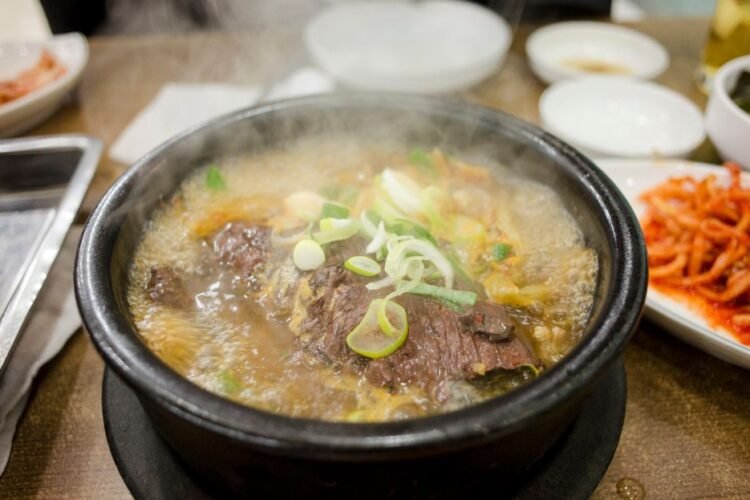
A bubbling, deeply flavored Korean stew built on aged, well-fermented napa cabbage kimchi and tender slices of pork belly. Silken tofu soaks up the tangy, spicy broth while scallions and garlic lend a sharp, fresh finish. It is the ultimate comforting one-pot meal, traditionally served with a bowl of steamed rice.
Prep Time15 mins
Cook Time25 mins
Total Time40 mins
Servings4
Yield4 servings
Nutrition Facts
Per serving (estimated)
- 410 kcalCalories
- 24 gFat
- 8 gSaturated Fat
- 16 gCarbs
- 3 gFiber
- 5 gSugar
- 24 gProtein
- 1320 mgSodium
- 640 mgPotassium
- 170 mgCalcium
- 3.5 mgIron
- 18 mgVitamin C
- 180 mcgVitamin A
Ingredients
For the stew
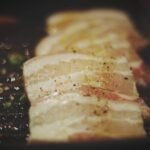
- 1 lb (450 g) pork belly or pork shoulder, thinly sliced
- 2 cups aged napa cabbage kimchi, roughly chopped (with juice)
- 1/2 cup kimchi brine from the jar
- 4 cups anchovy stock or water
- 1 tbsp gochugaru (Korean red pepper flakes)
- 1 tbsp gochujang (Korean red pepper paste)
- 1 small yellow onion, sliced
- 3 garlic cloves, minced
- 1 tsp grated ginger
- 1 tsp sugar
For finishing
- 1/2 block (about 7 oz / 200 g) firm or silken tofu, cut into 1-inch cubes
- 2 scallions, sliced on the bias
- 1 tbsp toasted sesame oil
- 1 tsp sesame seeds, for garnish
Directions
- In a heavy pot or Dutch oven, heat 1 tablespoon of vegetable oil over medium-high heat and sear the pork slices until lightly browned, about 3-4 minutes.
- Add the onion, garlic, and ginger and stir-fry for 1-2 minutes until fragrant and the onion begins to soften.
- Stir in the chopped kimchi (with its juice) and kimchi brine, then add the gochugaru, gochujang, and sugar. Cook for 3-4 minutes, pressing the kimchi into the pot so it begins to wilt and caramelize at the edges.
- Pour in the anchovy stock, scraping up any browned bits from the bottom of the pot. Bring to a boil, then reduce the heat and simmer uncovered for 12-15 minutes so the flavors meld and the broth turns a deep reddish-orange.
- Gently slide the tofu cubes into the simmering broth and cook for 4-5 minutes, being careful not to break them up too much.
- Taste the broth and adjust with salt, a splash of fish sauce, or more gochugaru for extra heat, depending on the saltiness of your kimchi.
- Stir in the sliced scallions and drizzle the sesame oil over the top, then remove the pot from the heat.
- Ladle into stone bowls or deep bowls over a bed of steamed short-grain rice, garnish with sesame seeds, and serve immediately while bubbling hot.
Cook’s Notes
- Use kimchi that is at least 3-4 weeks old and noticeably sour; fresh kimchi will not give the stew its signature tangy depth.
- For an extra-umami boost, add 2-3 dried anchovies or a small piece of dried kelp while simmering, then remove before serving.
- Tofu can be substituted with canned tuna (drained) for a classic quick weeknight version called 'changjorim-style' kimchi jjigae.
- If the stew tastes flat, a splash of fish sauce or a pinch of MSG brightens the savory notes without making it fishy.
- Leftovers taste even better the next day as the kimchi continues to ferment in the broth; reheat gently and add a splash of water if it has thickened.