 (No Ratings Yet)
 Loading...
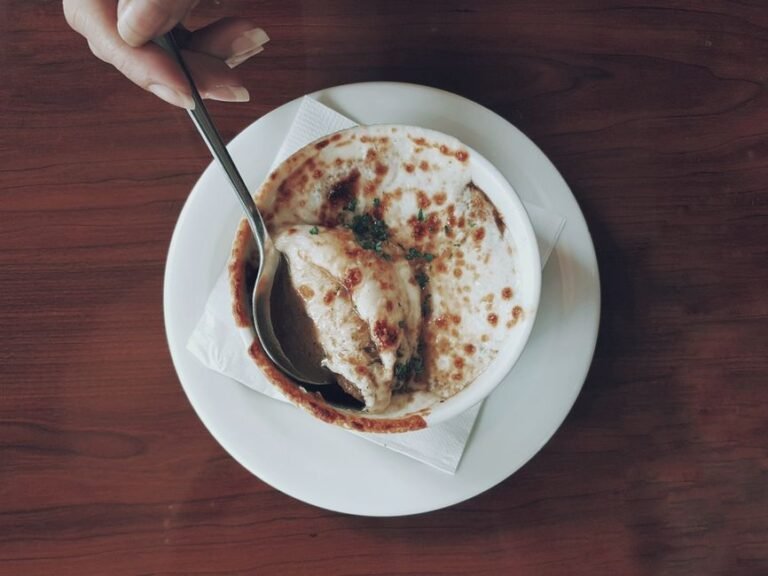
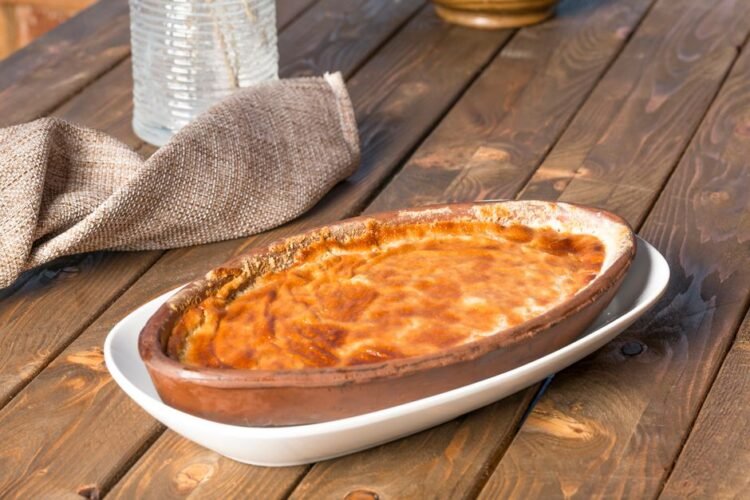
Cassoulet de Castelnaudary is the original version of France's iconic bean casserole, slow-simmered with pork, fresh sausage, and creamy white beans in a traditional earthenware pot. Unlike richer regional variations, this Castelnaudary recipe relies purely on pork and an unctuous bean base, finished under the broiler for a golden crust.
Prep Time30 mins
Cook Time240 mins
Total Time270 mins
Servings6
Yield6 hearty servings
Nutrition Facts
Per serving (estimated)
- 720 kcalCalories
- 38 gFat
- 13 gSaturated Fat
- 52 gCarbs
- 14 gFiber
- 4 gSugar
- 42 gProtein
- 980 mgSodium
- 1180 mgPotassium
- 145 mgCalcium
- 7 mgIron
- 9 mgVitamin C
- 85 mcgVitamin A
Ingredients
For the beans
- 1 lb (450 g) dried Tarbais or cannellini beans, soaked overnight
- 1 large yellow onion, peeled and halved
- 2 carrots, peeled
- 6 cloves garlic, smashed
- 1 bouquet garni (thyme, bay leaf, parsley stems)
- 2 tsp sea salt
For the pork and sausage
- 1.5 lbs (680 g) pork shoulder, cut into 2-inch pieces
- 1 lb (450 g) fresh pork sausage (Toulouse-style)
- 8 oz (225 g) pork belly or fresh pork rind
- 4 cloves garlic, minced
- 1 tsp black peppercorns, cracked
For the assembly
- 1 large yellow onion, finely diced
- 4 cloves garlic, minced
- 2 cups (475 ml) chicken stock or bean cooking liquid
- 1/2 cup (60 g) plain dried breadcrumbs
- 3 tbsp duck fat or pork lard, melted
- 2 tbsp fresh parsley, chopped
- Salt and freshly ground black pepper to taste
Directions
- Drain the soaked beans and place them in a large pot with the halved onion, carrots, smashed garlic, and bouquet garni. Cover with 2 inches of cold water, bring to a gentle simmer, and cook 45-60 minutes until just tender but not mushy. Add salt in the last 10 minutes of cooking. Reserve 2 cups of the cooking liquid.
- While the beans cook, season the pork shoulder pieces generously with salt, pepper, and minced garlic. In a large Dutch oven, render the pork belly or rind over medium heat until golden and crispy, about 8 minutes. Remove the cracklings and set aside.
- Sear the pork shoulder pieces in the rendered fat until deeply browned on all sides, about 6-8 minutes total. Remove and set aside. In the same pot, add the diced onion and cook until translucent, 5 minutes, then add minced garlic and cook 1 more minute.
- Prick the sausages and brown them whole in the pot for 4-5 minutes until colored on all sides. Remove and set aside with the other pork.
- Preheat the oven to 325°F (160°C). Combine the drained beans, cooked pork shoulder, sausages, cracklings, and sautéed onions in a traditional cassole or large Dutch oven. Pour in enough bean cooking liquid to barely cover (about 2 cups).
- Bring the pot to a gentle simmer on the stovetop, cover, and transfer to the oven. Braise undisturbed for 2 hours. Carefully remove, stir gently (don't break the beans), and if the liquid has reduced too much, add a splash more stock. Return to the oven uncovered for another 30 minutes.
- Increase the oven to 425°F (220°C) or set the broiler to high. Mix the breadcrumbs with melted duck fat and parsley, then sprinkle evenly over the surface. Return to the oven for 10-15 minutes until a thick, golden-brown crust forms. Break the crust and re-gratinate once more for the traditional crackly top.
- Rest the cassoulet for 15 minutes before serving directly from the cassole. Spoon into wide bowls, ensuring each portion has a bit of crust, beans, and pork.
Cook’s Notes
- Authentic Castelnaudary cassoulet traditionally contains only pork, no goose or mutton as in the Toulouse and Carcassonne versions; stick to the recipe for true regional character.
- Always soak dried beans overnight and cook them gently; al dente beans will absorb flavor without disintegrating during the long braise.
- Resist the urge to stir the cassoulet during cooking; the crust that forms is essential, and is traditionally broken and re-gratinated 5-7 times over several days for the most authentic result.
- Serve with a robust red wine from the southwest such as a Madiran or Corbières, alongside a simple green salad and crusty country bread.