 (No Ratings Yet)
 Loading...
Sole Meunière is the iconic French bistro classic where delicate fillets of Dover or lemon sole are lightly dredged in flour, pan-fried in foaming butter until golden, then finished with a generous pour of nutty brown butter, fresh lemon, and parsley. The technique is deceptively simple, yet the result feels utterly luxurious — crisp on the outside, tender and almost translucent within, and gleaming with a glossy lemon-butter sauce.
Prep Time10 mins
Cook Time12 mins
Total Time22 mins
Servings4
Yield4 servings
Nutrition Facts
Per serving (estimated)
- 475 kcalCalories
- 32 gFat
- 18 gSaturated Fat
- 11 gCarbs
- 0 gFiber
- 0 gSugar
- 38 gProtein
- 520 mgSodium
- 610 mgPotassium
- 55 mgCalcium
- 1.2 mgIron
- 9 mgVitamin C
- 260 mcgVitamin A
Ingredients
For the fish
- 4 skinless sole fillets (Dover or lemon sole), about 6 oz each
- 1/2 cup all-purpose flour, for dredging
- 1 tsp fine sea salt
- 1/2 tsp freshly ground white pepper
- 2 tbsp clarified butter or neutral oil, for frying
For the brown butter sauce
- 6 tbsp unsalted European-style butter, cubed
- 3 tbsp freshly squeezed lemon juice
- 2 tbsp finely chopped fresh flat-leaf parsley
- 1 tsp lemon zest, finely grated
- 1 tbsp brined capers, rinsed (optional, traditional)
To serve
- Steamed haricots verts or boiled new potatoes
- Lemon wedges
Directions
- Pat the sole fillets very dry with paper towels; moisture is the enemy of a golden crust. Season both sides with salt and white pepper, then dredge each fillet lightly in flour, shaking off the excess so only a whisper-thin coating remains.
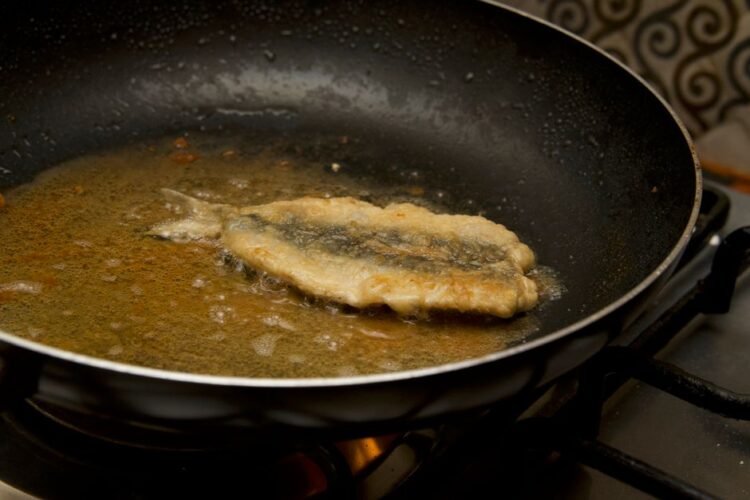
- Heat a large stainless-steel or cast-iron skillet over medium-high heat for about 2 minutes, then add the clarified butter and swirl to coat. When the butter just begins to shimmer and turn faintly golden, lay two fillets in the pan presentation-side down (the paler, floured side).
- Cook the first side for about 2 minutes without moving them, until the edges turn a deep golden brown and the fillet releases easily from the pan. Carefully flip, cook 30 to 60 seconds more for the thicker parts, then transfer to a warm platter and tent loosely with foil. Repeat with the remaining two fillets, wiping the pan clean if needed and adding a touch more butter.
- Reduce the heat to medium and add the cubed butter to the same skillet. Swirl continuously as it melts, foams, and turns a warm hazelnut color, about 2 to 3 minutes — watch closely; the milk solids can scorch in seconds.
- Off the heat, stir in the lemon juice, lemon zest, parsley, and capers if using. The butter will bubble and turn glossy; taste and adjust with a pinch of salt.
- Spoon the sizzling brown butter generously over the fillets, making sure each gets a share of the browned milk solids. Serve immediately with lemon wedges and a simple side such as steamed haricots verts or new potatoes.
Cook’s Notes
- Use true Dover or lemon sole if you can; the thin, delicate fillets cook in minutes and stay tender. Plaice or flounder are acceptable substitutes, though they have a slightly stronger flavor.
- Dried fillets and a thin flour coating are the two secrets to a crisp, pale crust rather than a gummy one — pat aggressively and shake off every excess bit of flour.
- Brown butter burns quickly once the milk solids darken past amber. Pull the pan off the heat a touch early and let carryover cooking finish the color.
- A traditional meunière does not include capers, but a small spoonful complements the lemon beautifully and is common in Parisian bistro versions.
- Serve on warmed plates and eat right away — the fish waits for no one, and reheating destroys the magic of the brown butter sauce.