 (No Ratings Yet)
 Loading...
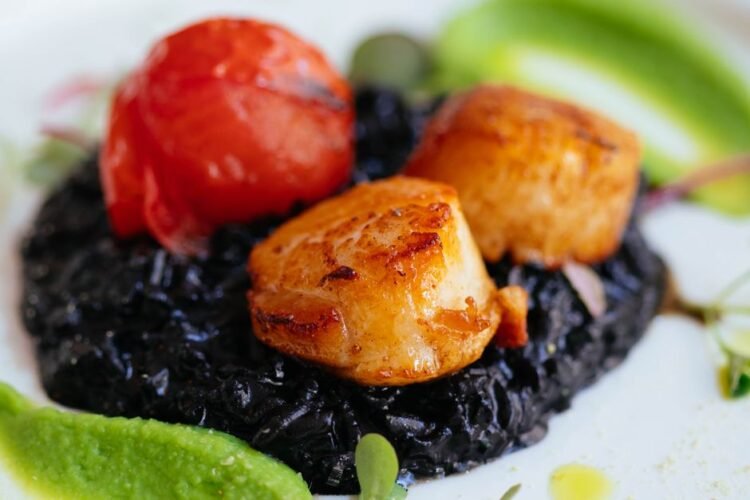
A dramatic Venetian classic that turns the deep, briny flavor of cuttlefish ink into a glossy, jet-black risotto studded with tender pieces of cuttlefish. Stirred with a finishing swoop of cold butter for a silky mantecatura, this dish is elegant enough for guests yet simple enough for a weeknight seafood supper.
Prep Time15 mins
Cook Time30 mins
Total Time45 mins
Servings4
Yield4 servings
Nutrition Facts
Per serving (estimated)
- 520 kcalCalories
- 18 gFat
- 5 gSaturated Fat
- 58 gCarbs
- 2 gFiber
- 2 gSugar
- 26 gProtein
- 620 mgSodium
- 420 mgPotassium
- 120 mgCalcium
- 4 mgIron
- 5 mgVitamin C
- 160 mcgVitamin A
Ingredients
For the cuttlefish
- 1 lb (450 g) fresh cuttlefish, cleaned, bodies sliced into 1/2-inch strips and tentacles kept whole
- 2 sachets (about 4 g) cuttlefish ink, dissolved in 2 tablespoons warm water (plus reserved ink sacs if available)
- 1 small shallot, finely chopped
- 2 garlic cloves, minced
- 2 tablespoons olive oil
- 1/2 teaspoon red pepper flakes (optional)
For the risotto
- 1 1/2 cups (300 g) Carnaroli or Arborio rice
- 1 small yellow onion, finely diced
- 1/4 cup (60 ml) extra virgin olive oil
- 1/2 cup (120 ml) dry white wine
- 5 cups (1.2 L) warm seafood or light fish stock
- 2 tablespoons cold unsalted butter, cubed
- 1/3 cup (30 g) finely grated Parmesan cheese (optional)
- 2 tablespoons chopped flat-leaf parsley, plus more for garnish
- Fine sea salt and freshly ground black pepper, to taste
Directions
- Prep the cuttlefish: gently rinse the bodies and tentacles, pat dry, and slice the bodies into bite-size strips. Whisk the cuttlefish ink into 2 tablespoons of warm water and set aside.
- Heat 2 tablespoons olive oil in a wide, heavy pan over medium heat. Add the shallot and garlic and cook 1-2 minutes until softened and fragrant, then add the cuttlefish pieces and red pepper flakes. Sauté 3-4 minutes until the cuttlefish turns opaque and just firms up. Transfer to a plate.
- In the same pan, add the remaining 1/4 cup olive oil and the diced onion. Cook gently for 3-4 minutes until translucent, then stir in the rice and toast for 1-2 minutes until the grains turn glossy and the edges look translucent.
- Pour in the white wine and stir continuously until it has almost completely evaporated, about 1 minute.
- Begin adding the warm stock one ladleful at a time, stirring often. Wait until each addition is nearly absorbed before adding the next, and keep the rice at a gentle simmer. After about 12 minutes of total cooking time, return the cuttlefish to the pan and stir in the dissolved cuttlefish ink. The risotto will turn a deep, glossy black.
- Continue adding stock and stirring for another 6-8 minutes, until the rice is al dente and the texture is loose and creamy (it should spread slowly when you shake the pan). Season with salt and pepper to taste.
- Remove the pan from the heat. Add the cold butter and Parmesan, if using, and beat vigorously with a wooden spoon for about 1 minute to create a creamy, emulsified finish (the mantecatura).
- Cover and let the risotto rest for 1-2 minutes so the starches settle. Spoon onto warm plates, scatter with chopped parsley, finish with a crack of pepper, and serve immediately.
Cook’s Notes
- Use Carnaroli rice if you can find it; its higher starch content and firmer grain give a creamier, more forgiving risotto than Arborio.
- Keep your stock at a low simmer on a separate burner so it stays hot and the rice cooks evenly without shocking the pan.
- Traditional Venetian-style risotto al nero di seppia skips the Parmesan; for a more briny, sea-forward flavor, use only the butter to finish.
- If substituting squid for cuttlefish, slice the bodies very thin and keep the cooking time short (no more than 2-3 minutes) to avoid a rubbery texture.
- Do not rinse the cuttlefish ink sacs if your fishmonger leaves them in; squeezing them into the pan adds deep color and a more complex ocean flavor.