 (No Ratings Yet)
 Loading...
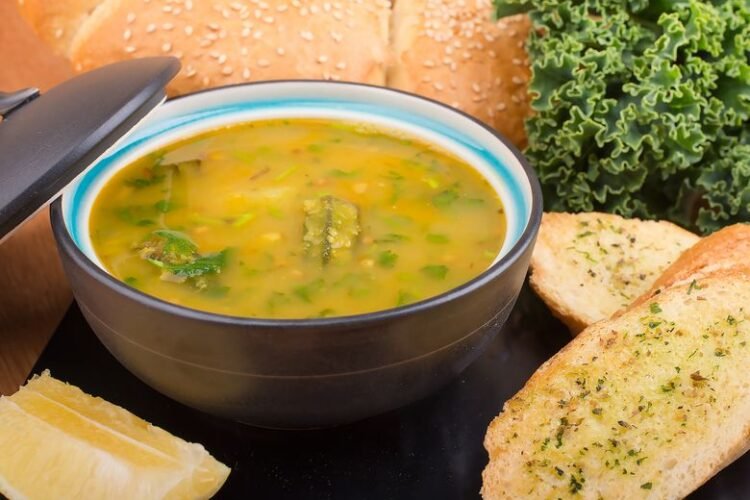
Ribollita is the iconic Tuscan peasant soup whose very name means 'reboiled,' referring to the second gentle simmering it gets after resting with stale bread. This classic version relies on cavolo nero, cannellini beans, and a slow-cooked soffritto for deep, earthy flavor. Always make it a day ahead: the overnight rest is what transforms a good pot of vegetables into true ribollita.
Prep Time20 mins
Cook Time75 mins
Total Time95 mins
Servings4
Yieldabout 8 cups (4 generous main-course servings)
Nutrition Facts
Per serving (estimated)
- 480 kcalCalories
- 21 gFat
- 4 gSaturated Fat
- 56 gCarbs
- 12 gFiber
- 8 gSugar
- 17 gProtein
- 720 mgSodium
- 920 mgPotassium
- 210 mgCalcium
- 4.5 mgIron
- 42 mgVitamin C
- 260 mcgVitamin A
Ingredients
For the beans and broth
- 1 cup dried cannellini beans (or 2 cans, 15 oz each, drained and rinsed)
- 4 cups low-sodium chicken or vegetable broth
- 1 small Parmigiano-Reggiano rind (optional, but recommended)
- 1 bay leaf
For the soffritto
- 1/3 cup extra virgin olive oil, plus more for finishing
- 1 large yellow onion, finely diced
- 2 medium carrots, peeled and diced
- 2 celery stalks, diced
- 4 garlic cloves, minced
- 1 tsp tomato paste
For the greens and vegetables
- 1 small Savoy cabbage (about 1 lb), cored and shredded into thin ribbons
- 1 large bunch cavolo nero (lacinato kale), stems discarded, leaves torn into bite-size pieces
- 1 small bunch Swiss chard, stems diced and leaves torn
- 1 medium Yukon gold potato, peeled and diced into 1/2-inch cubes
- 1 (14 oz) can San Marzano whole tomatoes, crushed by hand
For the bread and finishing
- 6 oz day-old rustic country bread (Tuscan or sourdough), crust on, torn into rough chunks
- 1 1/2 tsp fine sea salt, plus more to taste
- Freshly ground black pepper
- 2 fresh sage leaves, finely chopped
- 1 small sprig rosemary, leaves minced
- Grated Pecorino Toscano or Parmigiano-Reggiano, for serving
Directions
- If using dried beans, soak them overnight in plenty of cold water. Drain, then place in a saucepan, cover with fresh water, add the bay leaf, and simmer gently for 40 to 50 minutes until tender but not mushy. Drain, reserving 1/2 cup of the cooking liquid. If using canned beans, skip this step.
- Warm the olive oil in a large Dutch oven over medium-low heat. Add the onion, carrots, and celery and cook very gently for 10 to 12 minutes until soft and translucent but not browned. Stir in the garlic and tomato paste and cook for 1 minute more.
- Add the crushed tomatoes and simmer for 8 to 10 minutes, stirring occasionally, until the liquid thickens and the oil begins to glisten at the edges of the pot.
- Add the cooked beans, the reserved bean liquid, the Parmesan rind, the potato, the cabbage, cavolo nero, chard stems, and chard leaves. Pour in the broth, season lightly with salt, and bring to a steady simmer. Partially cover and cook for 30 minutes, until the greens are silky and the potatoes have started to break down.
- Fish out the Parmesan rind. Stir in the torn bread, pressing the chunks down into the broth so they absorb the liquid. Add the sage and rosemary, season with pepper, and simmer very gently for 15 to 20 minutes, stirring often, until the bread has mostly dissolved and the soup has a thick, stew-like consistency similar to a rustic porridge. Loosen with hot water only if it tightens too much.
- Remove from the heat, drizzle with a generous thread of olive oil, cover, and let rest for at least 1 hour. For truly classic flavor, transfer to a cool spot and refrigerate overnight — this is the essential 'ri-bollitura' tradition.
- When ready to serve, gently rewarm the ribollita over low heat, adding about 1/2 cup of hot water or broth to loosen it back to a thick, spoonable consistency. Taste and adjust salt.
- Ladle into wide shallow bowls, finish with another drizzle of raw extra virgin olive oil, plenty of cracked black pepper, and a generous grating of Pecorino or Parmigiano. Serve with extra bread on the side.
Cook’s Notes
- Ribollita is fundamentally a next-day dish. The overnight rest isn't a shortcut suggestion — it's the whole point of the recipe and what gives the soup its name.
- Use the darkest, chewiest country bread you can find, crust and all. Traditional Tuscan pane sciocco is unsalted; a good sourdough or country loaf is the closest substitute.
- Cavolo nero (also called dinosaur kale or lacinato kale) provides the signature earthy Tuscan flavor; Savoy cabbage and Swiss chard round out the body but cavolo nero is non-negotiable.
- Finish the bowls with your best extra virgin olive oil. A grassy, peppery oil transforms the final dish more than any other ingredient.
- The consistency should be thicker than a typical soup — almost like a thick stew. If yours loosens too much on the second day, just let it reduce gently on the stove.