 (No Ratings Yet)
 Loading...
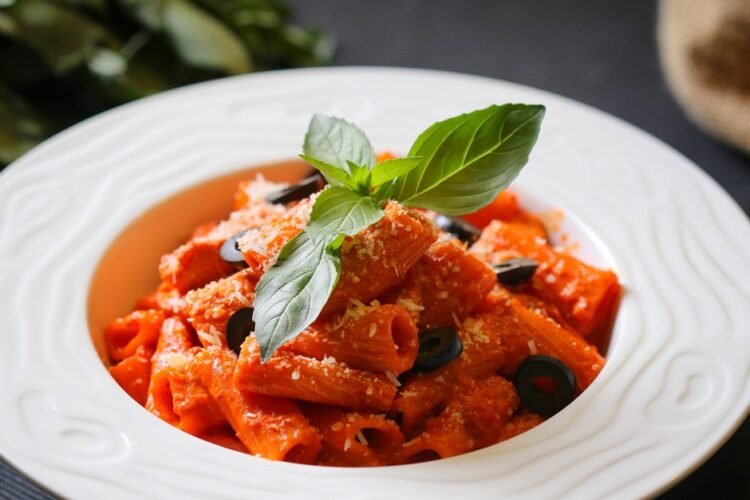
A beloved Roman classic from the city's quinta quarto tradition, rigatoni is tossed with tender calf intestine rings simmered slowly in tomato sauce. The chyme inside the intestines melts during cooking, lending the sauce a silky, almost creamy richness that no other ingredient can replicate. Finished with sharp Pecorino Romano, it is one of Rome's most soulful pasta dishes.
Prep Time20 mins
Cook Time90 mins
Total Time110 mins
Servings4
Yield4 servings
Nutrition Facts
Per serving (estimated)
- 680 kcalCalories
- 24 gFat
- 8 gSaturated Fat
- 68 gCarbs
- 6 gFiber
- 9 gSugar
- 42 gProtein
- 820 mgSodium
- 980 mgPotassium
- 260 mgCalcium
- 6.5 mgIron
- 20 mgVitamin C
- 210 mcgVitamin A
Ingredients
For the Pajata and Sauce
- 1 kg (2 lb) pajata (calf intestine)
- 3 tbsp extra virgin olive oil
- 1 small yellow onion, finely chopped
- 1 carrot, finely chopped
- 1 celery stalk, finely chopped
- 2 garlic cloves, minced
- 125 ml (1/2 cup) dry white wine
- 800 g (28 oz) canned San Marzano tomatoes, hand-crushed
- 1 bay leaf
- 1/4 tsp grated nutmeg
- Sea salt and freshly ground black pepper, to taste
For the Pasta
- 400 g (14 oz) rigatoni
- 30 g coarse sea salt for the pasta water
- 100 g (1 cup) freshly grated Pecorino Romano, plus more for serving
Directions
- Rinse the pajata under cold running water without removing the milky chyme inside, then cut into 15 cm (6 in) lengths and tie each into a loose ring so the contents stay enclosed.
- Heat the olive oil in a heavy pot over medium heat and sauté the onion, carrot, celery, and garlic for 8 to 10 minutes until soft and golden.
- Add the pajata rings and brown lightly for 4 to 5 minutes, then pour in the white wine and let it bubble away until almost completely evaporated.
- Stir in the crushed tomatoes, bay leaf, nutmeg, salt, and pepper. Bring to a gentle simmer, cover partially, and cook over low heat for 75 to 90 minutes, until the intestines are fork-tender and the sauce turns creamy from the rendered chyme.
- Meanwhile, bring a large pot of water to a rolling boil, add the coarse salt, and cook the rigatoni until al dente, about 12 minutes; reserve 1 cup of pasta water before draining.
- Transfer the drained rigatoni directly into the pot with the pajata sauce and toss vigorously over low heat, splashing in pasta water as needed until the sauce clings glossily to every tube.
- Remove from the heat, sprinkle in half the Pecorino Romano, and toss once more to meld.
- Divide among warm bowls and finish with the remaining Pecorino Romano and a generous grind of black pepper. Serve immediately.
Cook’s Notes
- Source pajata from a trusted Italian butcher or Roman specialty market and ask them to leave the chyme intact, as it is essential to the sauce's signature creaminess.
- Do not scrub the intestines aggressively; a gentle rinse preserves the precious milk curd that thickens the sauce.
- Keep the simmer very gentle, since a hard boil will toughen the intestines and break the rings.
- Pecorino Romano is non-negotiable here; its sharp, salty bite balances the rich sauce far better than Parmesan.
- Pair with a glass of Cesanese del Piglio or a young Montepulciano d'Abruzzo for the classic Roman experience.